Andhra Pradesh NDA Leaders Strategize for Parliament's Special Session
Synopsis
As the special session of Parliament approaches, NDA leaders in Andhra Pradesh gather to discuss strategies for supporting the Women's Reservation Amendment Bill. Meanwhile, the Congress party raises concerns over a proposed delimitation that could jeopardize the state's representation and funding.
Key Takeaways
Special session of Parliament begins with important discussions on women's reservation.
NDA leaders are strategizing support for the Women's Reservation Amendment Bill .
Concerns raised over a proposed delimitation exercise affecting Andhra Pradesh's representation.
Calls for unity across party lines to address political challenges.
Significant implications for future legislative power and funding in the state.
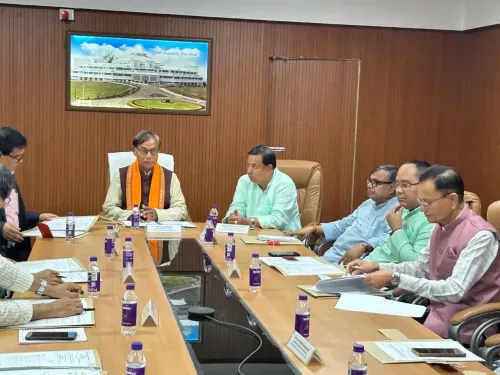
Amaravati, April 15 (NationPress) In preparation for the upcoming three-day special session of Parliament commencing Thursday, leaders of the ruling National Democratic Alliance (NDA) in Andhra Pradesh convened on Wednesday.
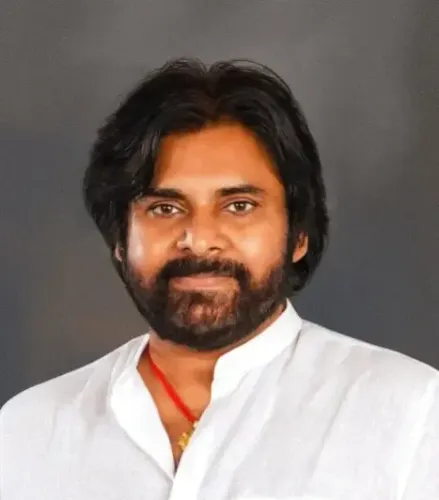
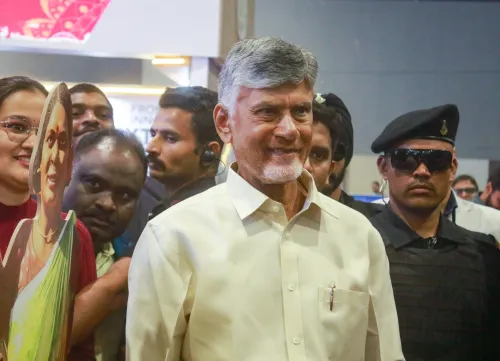
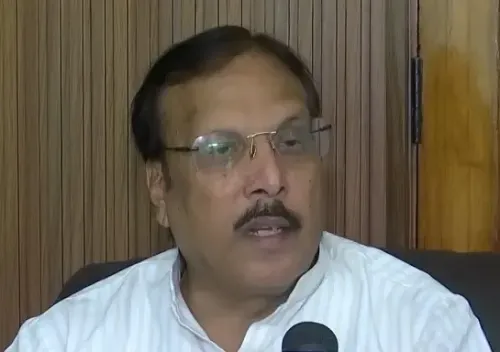
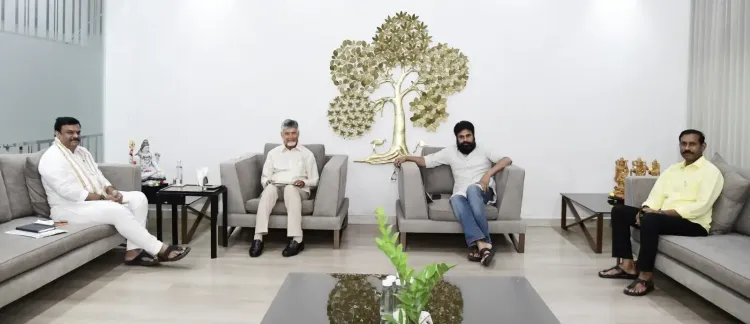
The meeting, held at the official residence of the Chief Minister, saw participation from Chief Minister and Telugu Desam Party (TDP) national head N. Chandrababu Naidu, Deputy Chief Minister and Jana Sena leader Pawan Kalyan, state BJP president PVN Madhav, and state TDP president Palla Srinivasa Rao.
The NDA coalition strategized on how to navigate both Houses of Parliament in support of the Constitutional amendment for the Nari Shakti Vandan Adhiniyam (Women’s Reservation Act, 2023).
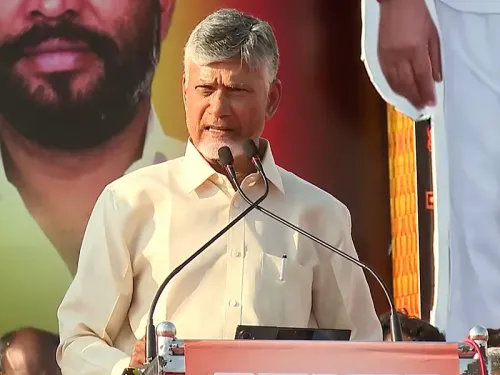
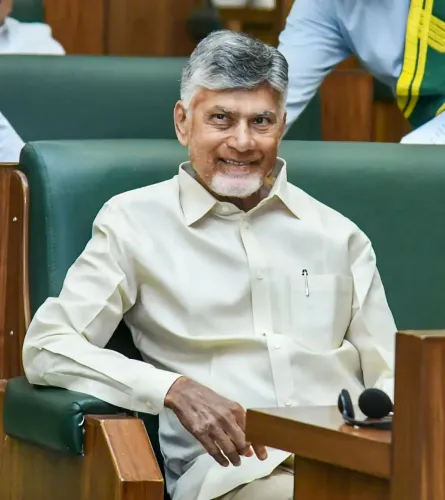
Chandrababu Naidu has reached out to political party leaders in the state, as well as Rajya Sabha and Lok Sabha members, soliciting their backing for the amendment bill.
He urged them to support the bill, which proposes to implement 33 percent reservations for women in legislative assemblies starting from the 2029 elections.
The TDP national president emphasized the importance of reinforcing Prime Minister Narendra Modi's commitment to ensuring one-third reservations for women in both Parliament and assemblies.
Naidu remarked that the introduction of the Women's Reservation Amendment Bill on April 16 would mark a significant milestone for Indian democracy.
In a contrasting viewpoint, Andhra Pradesh Congress Committee (APCC) president Sharmila Reddy sent a pointed open letter to Chandrababu Naidu, alerting him that the projected delimitation exercise poses a severe threat to the state's political and financial landscape.
In her letter, Y S Sharmila Reddy warned that a population-based delimitation could drastically diminish Andhra Pradesh’s representation in Parliament, thereby compromising its influence at the national level. She stressed that this change could lead to the state losing substantial sums in central allocations over time, directly affecting critical initiatives like Amaravati capital development, the Polavaram project, and essential industrial corridors.
Characterizing the move as a “structural injustice,” she contended that states like Andhra Pradesh, which have practiced responsible governance and population control, are being unduly penalized. She highlighted that diminished parliamentary representation would lead to reduced sway over national policies, funding priorities, and project approvals.
Sharmila Reddy called on the Chief Minister to act swiftly and decisively, advocating for public opposition to the delimitation proposal, urging all Members of Parliament from the state to vote against the Delimitation Bill, and convening an urgent one-day session of the State Assembly to pass a resolution rejecting this initiative.
She labeled this moment a “defining moment” for Andhra Pradesh, stressing that the issue transcends political affiliations and necessitates a united front to safeguard the state's interests.
Issuing a stern caution, the APCC president indicated that should the state government fail to respond, the Congress party would initiate statewide protests and mass mobilization against what she described as a grave injustice to the citizens of Andhra Pradesh.
Point of View
Emphasizing the importance of gender representation while revealing deep concerns over potential political disenfranchisement. Balancing progress for women's rights with equitable state representation is essential for a fair democratic process.
NationPress
20 Sept 2026
Frequently Asked Questions
What is the Women's Reservation Amendment Bill?
The Women's Reservation Amendment Bill aims to reserve 33 percent of seats for women in legislative assemblies, starting from the 2029 elections.
Why is the delimitation exercise controversial?
The delimitation exercise is considered controversial as it may reduce Andhra Pradesh's representation in Parliament, impacting its political influence and financial allocation.
Who are the key political figures involved in the meeting?
Key figures include Chief Minister N. Chandrababu Naidu, Deputy Chief Minister Pawan Kalyan, and state BJP president PVN Madhav.
What actions has Sharmila Reddy proposed against the delimitation?
Sharmila Reddy has urged the Chief Minister to publicly oppose the delimitation and gather support from all state MPs to reject the proposal.
What is the significance of this meeting?
The meeting signifies an important step toward supporting women's representation in politics while addressing potential threats to the state's political power.