Andhra Pradesh handicrafts get QR code system to fight fakes, boost artisans

Synopsis
Andhra Pradesh has quietly launched what officials claim is India's first QR code authentication system for handicrafts — letting buyers scan a code to verify product origin, artisan identity, GI status, and cultural history. Starting with eight iconic products including the Bobbili Veena and Kalamkari, the Lepakshi-built platform could redefine how traditional crafts compete in a market flooded with counterfeits.
Key Takeaways
Lepakshi (Andhra Pradesh Handicrafts Development Corporation) has launched a QR code-based authentication system claimed to be the first of its kind in India.
The system covers three parameters : art, product, and artisan details — including GI status and ODOP recognition.
In Phase 1 , eight iconic products are covered, including the Bobbili Veena , Kalamkari artworks, and Savara tribal paintings .
The initiative was proposed by Deputy Chief Minister Pawan Kalyan and developed by Lepakshi within one month .
The system is expected to curb counterfeit products, improve artisan market visibility, and raise incomes through wider recognition.
On 7 July , Kalyan had also announced plans to develop handicraft tourism in Andhra Pradesh alongside eco-tourism and temple tourism.
Andhra Pradesh's handicrafts sector has taken a significant technological leap with the launch of a QR code-based authentication and information system by the Andhra Pradesh Handicrafts Development Corporation (Lepakshi), aimed at verifying product authenticity, promoting artisans, and curbing the circulation of counterfeit goods. The initiative, developed within a month, is claimed to be the first of its kind in the country.
How the QR Code System Works
Each handicraft product is affixed with a unique QR code that buyers can scan using a mobile phone to instantly retrieve comprehensive details. The system is structured around three core parameters: art, product, and artisan details. Information accessible through the scan includes the cultural and historical significance of the craft, the artisan's profile, raw materials used, production timelines, and product dimensions.
Additionally, the platform displays Geographical Indication (GI) status and 'One District-One Product' (ODOP) recognition where applicable — details that are critical for both buyers and export markets.
Eight Iconic Products in Phase One
In the first phase, QR code profiles have been assigned to eight iconic handicraft products representing Andhra Pradesh's diverse artistic heritage. These include the celebrated Bobbili Veena, Kalamkari artworks depicting themes from the Ramayanam, Mahabharatam, Sri Krishna Leela, and Matsyavataram, as well as traditional Savara tribal paintings. Officials said the system will be progressively expanded to cover all handicraft products and artisan clusters across the state.
The Vision Behind the Initiative
The initiative was developed following a proposal by Deputy Chief Minister Pawan Kalyan, who had advocated for the system during the recently concluded Andhra Pradesh Handicrafts Festival 2026. According to an official release, Lepakshi completed the platform within a month of his suggestion. Kalyan has been vocal about taking the state's handicraft traditions to a global audience while ensuring artisans receive direct credit for their work.
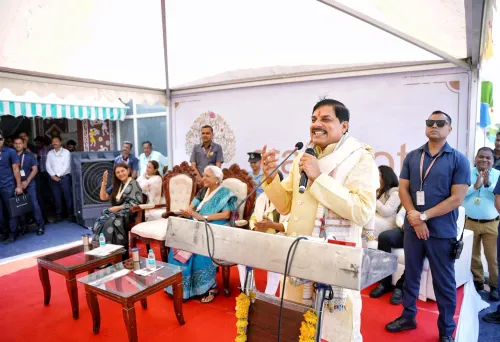
Speaking at the inauguration of the Andhra Pradesh Handicraft Festival 2026, Kalyan assured artisans that the government would work to preserve traditional crafts, establish common facility centres across artisan clusters, and produce documentaries showcasing the lives and struggles of craftsmen for a global audience.
Broader Push for Handicraft Tourism
This QR code rollout is part of a wider policy push. On 7 July, Kalyan had announced plans to develop handicraft tourism in Andhra Pradesh on the lines of eco-tourism and temple tourism — a signal that the state government views traditional crafts as both a cultural asset and an economic driver.
Officials expect the authentication system to improve market visibility for genuine artisans, stem counterfeit product flows, and ultimately raise artisan incomes through broader recognition. The expansion to all artisan clusters across the state is expected in subsequent phases.
Point of View
Not the first-phase rollout of eight products. Counterfeit handicrafts thrive because buyers at fairs and online marketplaces have no easy way to distinguish originals; a scannable code directly addresses that gap. What remains to be seen is whether the system integrates with e-commerce platforms and export channels, where the authenticity problem is most acute. Without that linkage, the platform risks remaining a well-intentioned showcase rather than a market-transforming tool.
NationPress
6 Aug 2026
Frequently Asked Questions
What is the QR code initiative launched for Andhra Pradesh handicrafts?
It is a QR code-based authentication and information system developed by the Andhra Pradesh Handicrafts Development Corporation (Lepakshi) that allows buyers to scan a code on any tagged handicraft product to access details about the art form, the product, and the artisan behind it. The system also displays GI status and ODOP recognition where applicable.
Which handicraft products are covered in the first phase?
Eight iconic products are included in Phase 1: the Bobbili Veena, Kalamkari artworks depicting themes from the Ramayanam, Mahabharatam, Sri Krishna Leela, and Matsyavataram, and traditional Savara tribal paintings. The system will be expanded to all handicraft products and artisan clusters in subsequent phases.
Who proposed the QR code system for Andhra Pradesh handicrafts?
Deputy Chief Minister Pawan Kalyan proposed the initiative during the Andhra Pradesh Handicrafts Festival 2026. Lepakshi developed and launched the platform within one month of his suggestion, according to an official release.
How does the QR code help artisans and buyers?
Buyers can verify a product's authenticity, cultural history, raw materials, and production details instantly by scanning the QR code. For artisans, the system provides direct credit for their work and is expected to improve market visibility, curb counterfeit competition, and raise incomes through wider recognition.
Is this the first QR code authentication system for handicrafts in India?
Officials claim the Lepakshi platform is the first such initiative in the country. No independent verification of this claim has been published as of the announcement date.