Anurag Thakur challenges Rahul Gandhi to prove 'vote theft' claims
Synopsis
BJP MP Anurag Thakur has put the Leader of Opposition on notice: name the voters disenfranchised, cite the laws broken, or stop making the allegations. His press conference on 12 October escalated the BJP's counter-offensive against Gandhi's ongoing 'vote theft' campaign, dragging in the Emergency legacy, the Supreme Court, and a November evidence deadline Gandhi has reportedly not met.
Key Takeaways
BJP MP Anurag Thakur challenged Rahul Gandhi on 12 October to substantiate 'vote theft' allegations with specific evidence.
Thakur accused Gandhi of blaming the ECI , EVMs , and the Chief Election Commissioner after losing 99 elections , per his characterisation.
Gandhi reportedly met President Droupadi Murmu with complaints but failed to provide convincing evidence, according to Thakur.
Thakur alleged Congress was pressuring the judiciary by threatening street protests while the matter is sub judice .
Gandhi had reportedly promised to present electoral irregularity evidence by November but has yet to do so, Thakur claimed.
Thakur invoked the Emergency — citing imprisonment of over 1.5 lakh people — to challenge Congress's claim of being a constitutional guardian.
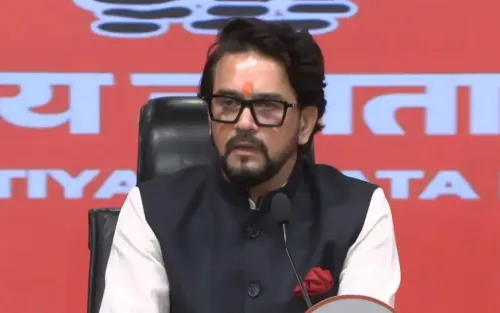
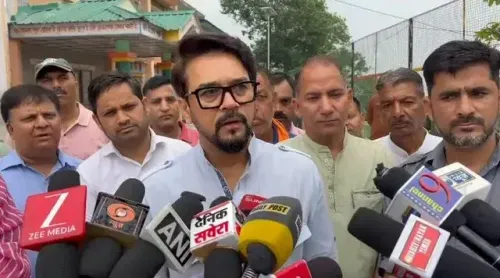
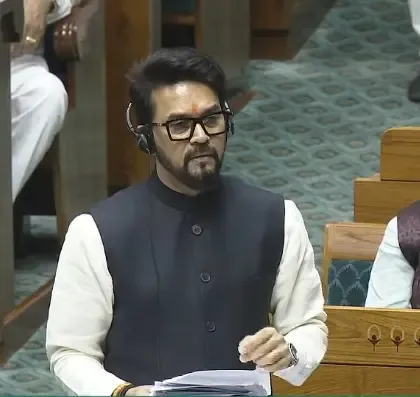
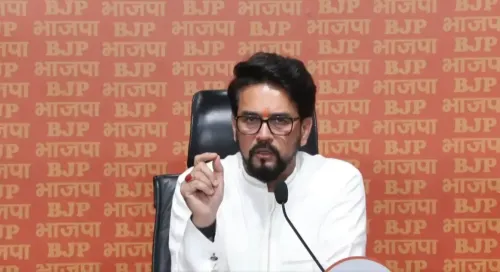
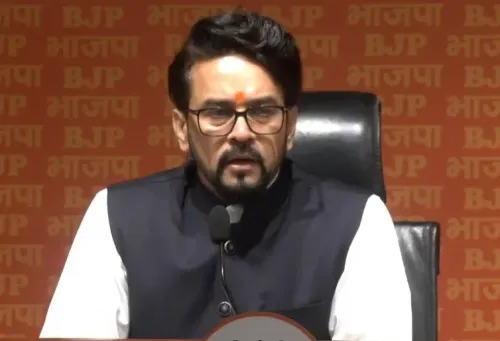
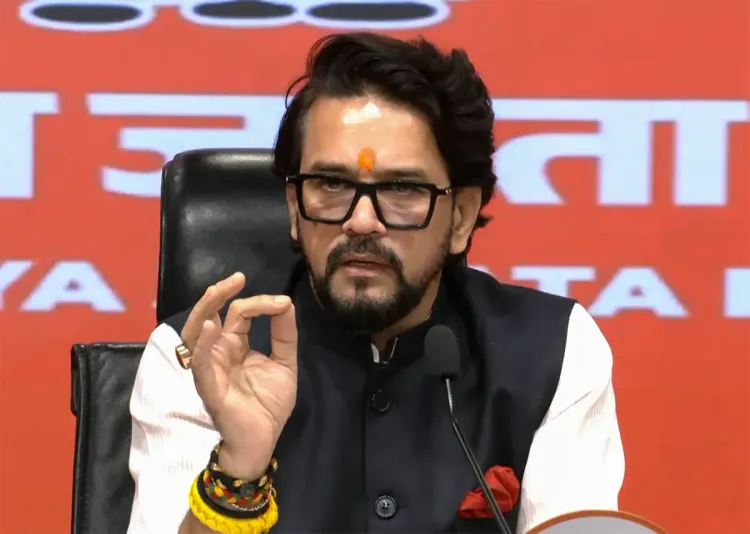
Bharatiya Janata Party (BJP) Lok Sabha MP Anurag Thakur on Monday, 12 October launched a sharp attack on Leader of Opposition Rahul Gandhi at the BJP Central Office in New Delhi, demanding that Gandhi produce concrete evidence to back his repeated allegations of vote theft and electoral manipulation. Thakur accused Gandhi of systematically attempting to undermine constitutional institutions — including the Election Commission of India (ECI) and the judiciary — without any supporting facts.
The Core Challenge
Addressing reporters at the press conference, Thakur posed three direct questions to Gandhi: whose votes were deleted, who was prevented from voting, and which specific electoral laws were violated. He drew a distinction between the democratic right to protest and the act of levelling unsubstantiated charges against constitutional bodies, calling the latter 'unacceptable.'
'Rahul Gandhi has a barrage of allegations, but when it comes to evidence, there is complete silence,' Thakur said, adding that the country wanted facts rather than political rhetoric.
Pattern of Blaming Institutions
Thakur alleged that Gandhi had blamed the ECI, Electronic Voting Machines (EVMs), and the Chief Election Commissioner after losing what he described as 99 elections, arguing that Gandhi accepted democratic verdicts only when they favoured the Indian National Congress (Congress / INC) and cried foul whenever his party faced defeat. He also referenced Gandhi's meeting with President Droupadi Murmu, claiming Gandhi was asked to present evidence but failed to offer convincing answers.
Judiciary and Sub-Judice Concerns
Thakur criticised Gandhi for reportedly expressing an intention to meet the Chief Justice while the matter was sub judice. He alleged that the Congress was attempting to pressure the judiciary by threatening street protests if its demands went unmet, and maintained that anyone dissatisfied with an institutional decision should approach the appropriate legal forum through due procedure. Thakur also referenced Supreme Court observations, saying the judiciary had made clear that political disputes could not be turned into a public protest battleground.
Congress and the Emergency Legacy
Invoking the Emergency period, Thakur accused the Congress of hypocrisy in claiming to defend the Constitution. He recalled the suspension of democratic rights, the imprisonment of more than 1.5 lakh people, press restrictions, and forced sterilisations during that era, alleging that the same party which crushed constitutional freedoms was now positioning itself as their protector.
He also raised the 1989 electoral contest between Rajiv Gandhi and Rajmohan Gandhi, questioning whether Gandhi could explain allegations of polling booth capture during that period. Thakur further alleged that Congress favoured a return to the ballot paper system because of its historical association with electoral manipulation.
Accountability and What Comes Next
Thakur noted that Gandhi had earlier promised to present evidence of alleged electoral irregularities by November but had yet to do so. He called upon Gandhi to identify specific instances of voter disenfranchisement and back the claims with comprehensive data, arguing that the Opposition too bore a responsibility for democratic accountability. He said that while protest remained a legitimate democratic tool, there was 'no licence to discredit the public mandate through unsubstantiated accusations' — conduct he described as unbecoming of the Leader of the Opposition.
Point of View
That timetable is now a liability. The invocation of the Emergency is a well-worn BJP counter, but it lands differently when the opposition is simultaneously demanding judicial meetings on a sub-judice matter — a procedural misstep that weakens Gandhi's constitutional-guardian framing. The deeper question is whether the ECI's institutional credibility can withstand a prolonged public battle between two parties with competing incentives to weaponise it.
NationPress
12 Oct 2026
Frequently Asked Questions
What did Anurag Thakur demand from Rahul Gandhi at the press conference?
Thakur demanded that Gandhi identify whose votes were deleted, who was prevented from voting, and which electoral laws were violated to substantiate his 'vote theft' allegations. He said that making unproven charges against constitutional bodies like the Election Commission was unacceptable.
Why did Thakur bring up the Emergency during the press conference?
Thakur invoked the Emergency to accuse the Congress of hypocrisy in projecting itself as a defender of the Constitution. He cited the imprisonment of over 1.5 lakh people, press censorship, and forced sterilisations during that period as evidence of Congress's own record against constitutional freedoms.
What is the significance of the November deadline mentioned by Thakur?
Thakur claimed Rahul Gandhi had earlier promised to present evidence of electoral irregularities by November but had not yet done so. This deadline, if accurate, puts Gandhi in a politically difficult position as the date approaches.
How has the judiciary figured in the BJP-Congress exchange over vote theft?
Thakur alleged that Gandhi intended to meet the Chief Justice while the matter was sub judice, and accused Congress of threatening street protests to pressure the judiciary. He referenced Supreme Court observations that political disputes should not be converted into public protest campaigns.
What is Rahul Gandhi's broader position on electoral integrity that Thakur was responding to?
Gandhi has been alleging vote theft and raising questions about the Election Commission, EVMs, and the Chief Election Commissioner. He reportedly met President Droupadi Murmu to register these concerns, which Thakur says were raised without sufficient supporting evidence.