Anurag Thakur Urges Opposition to Back Monsoon Session
Synopsis
BJP MP Anurag Thakur, posting from Jaipur on 4 July 2026, called on opposition parties to participate meaningfully in the upcoming Monsoon Session of Parliament rather than obstruct proceedings. The appeal echoes a recurring pre-session pattern as both sides prepare for a consequential legislative sitting.
Key Takeaways
Anurag Thakur , BJP Lok Sabha MP from Hamirpur , urged the opposition to cooperate in making the Monsoon Session productive.
The statement was made from Jaipur on 4 July 2026 .
Thakur specifically called out obstruction and avoidance of debate as practices the opposition should abandon.
Indian Parliament has recorded repeated disruptions and low productivity across multiple sessions since 2019 .
Pre-session appeals for constructive engagement are a recurring pattern from ruling-party leaders ahead of Monsoon Sittings.
Actual session productivity will depend on listed bills and opposition participation levels once the schedule is announced.
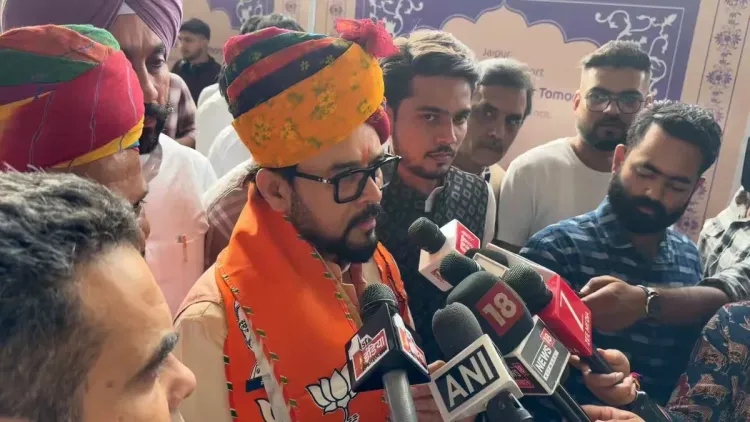
BJP MP Anurag Thakur on Saturday, 4 July 2026, called on opposition parties to participate constructively in the upcoming Monsoon Session of Parliament rather than obstruct proceedings or avoid debate. The appeal, made from Jaipur, signals the ruling party's intent to frame the session's tone ahead of what is expected to be a consequential sitting.
Context
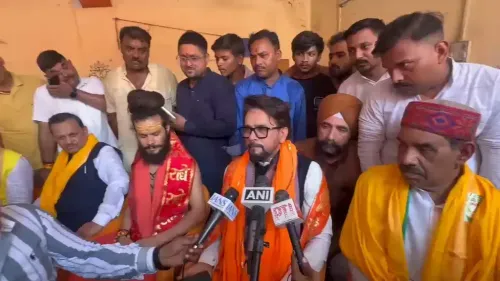
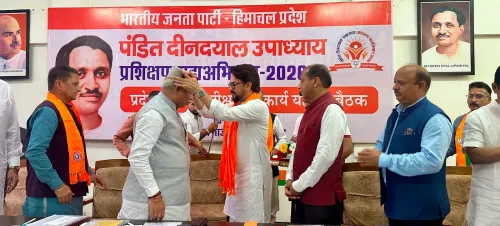
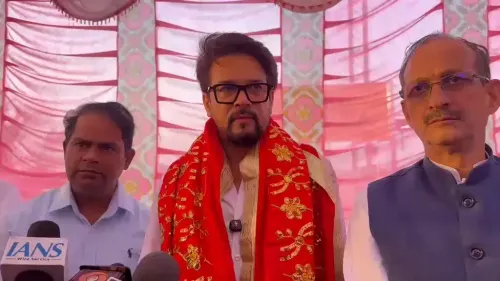
Thakur posted in Hindi, urging the opposition to 'sarthak charcha mein bhaagidaari kar satra ko safal banaane mein sahyog kare' ('cooperate in making the session successful by participating in meaningful discussion') instead of 'adanga lagaane, charcha se bhaagne' ('obstructing and running away from debate'). The statement was posted from Jaipur, where Thakur was attending a party event.
The Monsoon Session is Parliament's annual sitting typically held between July and August, covering legislative business, budget-linked discussions, and ministerial question hours. It is among the most watched sessions of the parliamentary calendar.
Policy Backdrop
Indian Parliament has seen repeated adjournments and sharply reduced legislative productivity across multiple sessions since 2019, driven by opposition protests over issues ranging from farm laws to regional conflicts. These disruptions have drawn criticism from government benches and independent observers alike, with productivity in some sessions falling well below historical averages.
Successive ruling-party leaders have issued pre-session appeals for constructive engagement, a pattern that has become a near-ritual ahead of each sitting. Thakur's statement fits squarely within this tradition, but carries added weight given his background as a former Union Minister who has presided over contentious parliamentary moments himself.
Stakeholders and Impact
The primary stakeholders are opposition MPs — including those from the Indian National Congress and allied regional parties — whose floor strategies will determine whether the session proceeds smoothly or descends into repeated adjournments. Legislative business pending before both Lok Sabha and Rajya Sabha depends directly on the level of cooperation between the treasury and opposition benches.
For ordinary citizens, session productivity translates into the pace of law-making on issues such as economic policy, social welfare, and national security. Prolonged disruptions delay bills, reduce accountability through question hours, and limit the scrutiny of government spending.
What's Next
Attention will now turn to the official announcement of the Monsoon Session schedule and the list of bills the government intends to table. Opposition parties are expected to respond with their own demands — likely including discussions on specific policy grievances — as a condition for orderly participation. How both sides navigate those pre-session negotiations will set the tone for parliamentary productivity in the weeks ahead.
Point of View
The ruling party sets a narrative baseline it can invoke if the session falters. The statement also reflects a broader governance-communication strategy: use high-visibility platforms to shape public expectations before a session begins, making any opposition walkout appear as a deliberate rejection of dialogue. The pattern has intensified since 2019 as both sides treat parliamentary productivity as a political scoreboard.
NationPress
4 Jul 2026
Frequently Asked Questions
What did Anurag Thakur say about the Monsoon Session?
Anurag Thakur urged opposition parties to participate in meaningful discussion during the upcoming Monsoon Session instead of obstructing proceedings or avoiding debate, posting the appeal from Jaipur on 4 July 2026.
When is the India Parliament Monsoon Session 2026?
The exact dates for the 2026 Monsoon Session have not been officially announced yet. The Monsoon Session is typically held between July and August each year.
Why does the opposition disrupt Parliament sessions in India?
Opposition parties have historically used adjournments, walkouts, and protests to highlight policy grievances — such as farm laws and regional conflicts — when they feel the government is not addressing their concerns through regular debate.
Who is Anurag Thakur?
Anurag Thakur is a BJP Lok Sabha MP from Hamirpur, Himachal Pradesh, and a former Union Minister who held the portfolios of Information and Broadcasting and Youth Affairs and Sports.
What is the significance of the Monsoon Session of Parliament?
The Monsoon Session is one of the three annual sittings of Indian Parliament, typically covering key legislative business, budget-related discussions, and ministerial question hours, making it a critical period for law-making and government accountability.