CM Rajasthan: Refineries directed to shift output to LPG
Synopsis
The Chief Minister's Office of Rajasthan announced on 4 July 2026 that refineries previously producing gas for industrial purposes have been directed to switch output to household LPG, a move attributed to PM Narendra Modi under his vision for a developed Rajasthan.
Key Takeaways
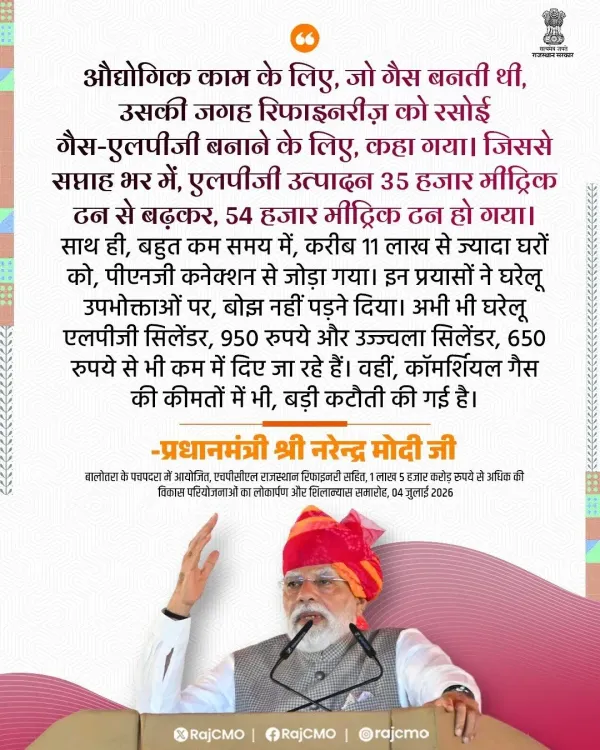
The Rajasthan CMO posted on 4 July 2026 that refineries have been directed to produce household LPG instead of industrial gas.
The directive is credited to Prime Minister Narendra Modi and linked to the #PMModi4ViksitRajasthan campaign.
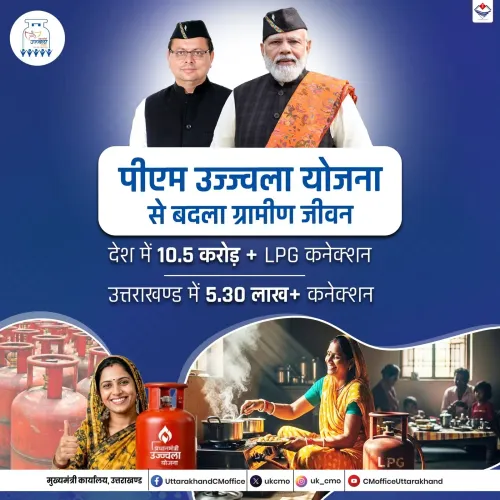
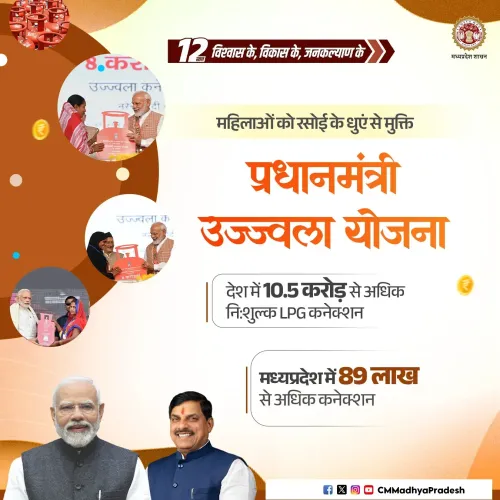
The move aligns with the Pradhan Mantri Ujjwala Yojana , which connected over 50 million BPL households to LPG from 2016 onward.
Refinery product-slate reallocation is a faster supply-side lever than building new refining capacity.
Industrial gas users in Rajasthan may face reduced domestic supply as a consequence of the reallocation.
Quarterly petroleum ministry data on LPG production and imports will be the key metric to watch.
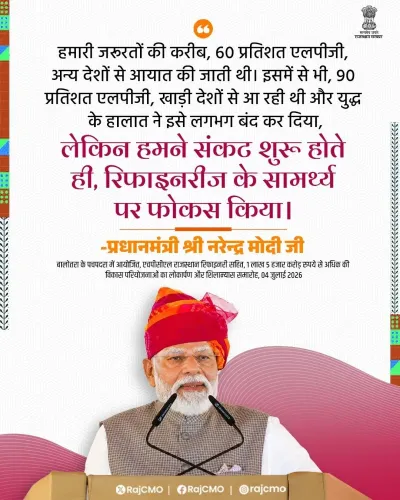
The Chief Minister's Office of Rajasthan posted on Saturday, 4 July 2026, citing a policy directive under which refineries that previously produced gas for industrial use have been instructed to redirect that output toward manufacturing liquefied petroleum gas (LPG) for household kitchens — crediting Prime Minister Narendra Modi for the move.
Context
The post, shared by @RajCMO, states in Hindi: 'औद्योगिक काम के लिए, जो गैस बनती थी, उसकी जगह रिफाइनरीज़ को रसोई गैस-एलपीजी बनाने के लिए, कहा गया' — translating to: 'Refineries were directed to produce kitchen gas-LPG in place of the gas that was being made for industrial purposes.' The post is tagged to PM Modi and carries the hashtags #PMModi4ViksitRajasthan and #आपणो_अग्रणी_राजस्थान ('Our Leading Rajasthan').
The framing positions the directive as a deliberate policy choice to prioritise domestic clean-cooking fuel over industrial feedstock, a reallocation with direct implications for Rajasthan's refinery operations and the state's household energy access.
Policy Backdrop
The directive fits within a well-established central policy arc. The Pradhan Mantri Ujjwala Yojana, launched in May 2016, extended LPG connections to 50 million below-poverty-line households in its first phase, with subsequent expansions pushing that figure higher. The surge in connections created a structural rise in domestic LPG demand that outpaced supply from existing refineries.
To close the gap, successive refinery expansion projects were approved from 2017 onward with the explicit goal of raising LPG output and reducing import dependence. Redirecting gas streams previously earmarked for industrial use is one lever refiners can pull without waiting for greenfield capacity — making it a relatively fast-acting supply-side response.
Rajasthan hosts significant refining infrastructure, and any product-slate reorientation at state-level refineries would contribute to national LPG availability figures tracked quarterly by the petroleum ministry.
Stakeholders and Impact
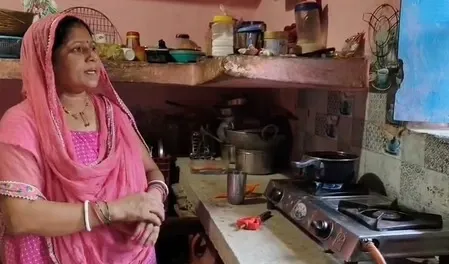
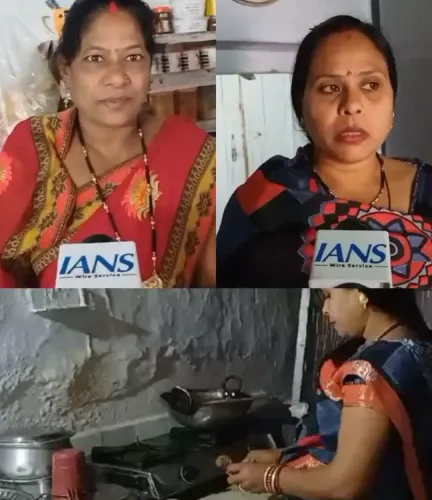
Household LPG consumers — particularly in rural and semi-urban Rajasthan — stand to benefit most directly if the reallocation increases local cylinder availability and moderates supply-chain pressure. Ujjwala Yojana beneficiaries, who are often price-sensitive and dependent on timely refills, are the primary target group the policy aims to serve.
On the other side, industrial gas users — including manufacturers who rely on refinery-produced gas as a feedstock or fuel — face a potential reduction in the volume available to them from domestic refinery output, which could require them to source alternatives or adjust production inputs.
Refineries themselves must manage the technical and commercial trade-offs of shifting their product slate, including adjustments to cracking units, blending operations, and off-take agreements with both household distributors and industrial buyers.
What's Next
The immediate indicator to watch is quarterly LPG production and import data from the petroleum ministry, which would reflect whether the reallocation has translated into a measurable increase in domestic output. Any formal state-level announcement from the Rajasthan government detailing which refineries are covered, the volume targets, and the implementation timeline would add specificity to what is currently a high-level policy signal.
If the reallocation proves effective, it could serve as a template for other refinery-heavy states seeking to improve last-mile LPG access without waiting for new capacity — reinforcing the broader national goal of making clean cooking fuel the default across Indian households.
Point of View
Regularly refilled cylinders, a gap that has persisted since the scheme's launch. By attributing the directive to PM Modi and anchoring it to the 'Viksit Rajasthan' slogan, the ruling dispensation is tying infrastructure decisions to electoral messaging. The unresolved tension — between industrial feedstock demand and household LPG supply — is the substantive policy question that the post does not address.
NationPress
4 Jul 2026
Frequently Asked Questions
Why have Rajasthan refineries been asked to produce more LPG?
The Rajasthan CMO says refineries have been directed to redirect gas previously made for industrial use toward producing household LPG, in order to meet rising domestic demand for clean cooking fuel, a priority pushed by PM Modi.
What is the Pradhan Mantri Ujjwala Yojana and how does it relate to this?
Pradhan Mantri Ujjwala Yojana, launched in May 2016, provided LPG connections to over 50 million below-poverty-line households. The resulting surge in demand made increasing domestic LPG refinery output a national policy priority.
Will this LPG reallocation affect industrial users in Rajasthan?
Yes, industrial gas users who previously sourced refinery-produced gas as feedstock or fuel may face reduced domestic availability and could need to find alternative sources as refineries shift their product slate toward household LPG.
Which refineries in Rajasthan are covered by this directive?
The Rajasthan CMO post does not name specific refineries. A formal state or central government announcement with details on which facilities are covered and the volume targets is yet to be made public.
How will we know if this refinery shift is actually increasing LPG supply?
The clearest indicator will be quarterly LPG production and import data released by the petroleum ministry, which tracks domestic output against demand and import volumes across states including Rajasthan.