How is Army Chief assessing Kharga Corps' drone and combat preparedness?
Synopsis
General Upendra Dwivedi, the Chief of Army Staff, is on a mission to enhance the operational readiness of the Indian Army. His recent visit to the Kharga Corps not only focused on drone warfare capabilities but also on modern training innovations that are shaping the future of military operations.
Key Takeaways
The visit underscored the importance of modern warfare techniques.
Drone technology is crucial for enhancing operational efficiency .
Inter-agency collaboration is vital for national security.
Veteran support and welfare initiatives play a key role.
The Kharga Corps exemplifies the future of military readiness.
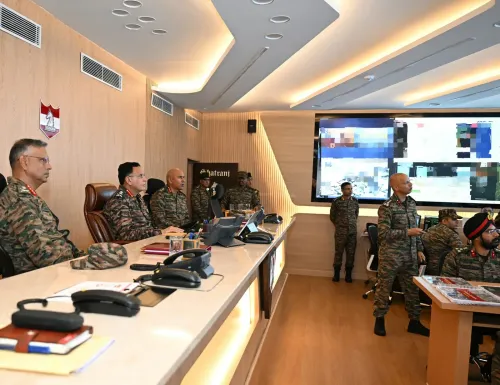
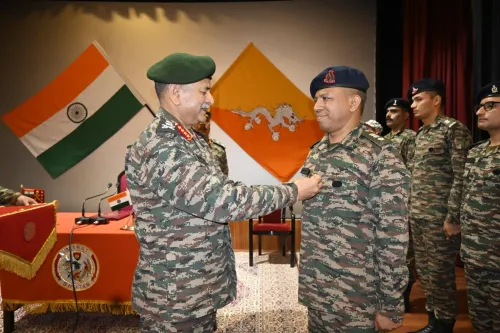
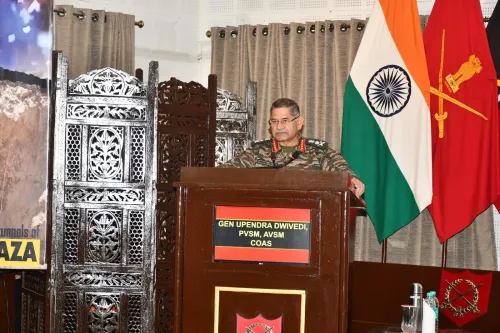
New Delhi, Nov 4 (NationPress) General Upendra Dwivedi, Chief of Army Staff (COAS), is actively evaluating the operational readiness of the Indian Army across various formations. Following his recent visits to multiple border regions, the Army Chief has scrutinized numerous aspects of readiness, including drone warfare capabilities and advancements in training at Kharga Corps.
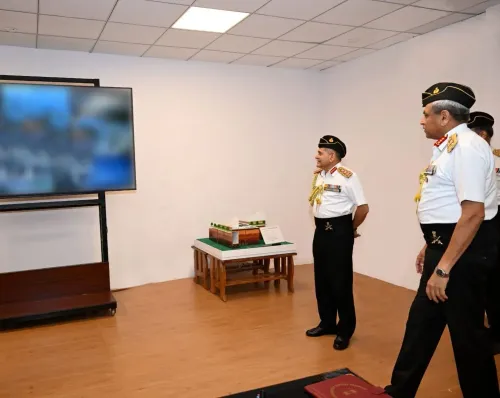
During his visit to the Kharga Corps, General Dwivedi conducted a thorough review of its operational preparedness. He received briefings on initiatives designed to enhance combat capabilities, incorporate state-of-the-art technologies, improve inter-agency collaboration, and contribute to national development. Modern combat strategies are rapidly evolving, transcending traditional weaponry like guns and cannons.
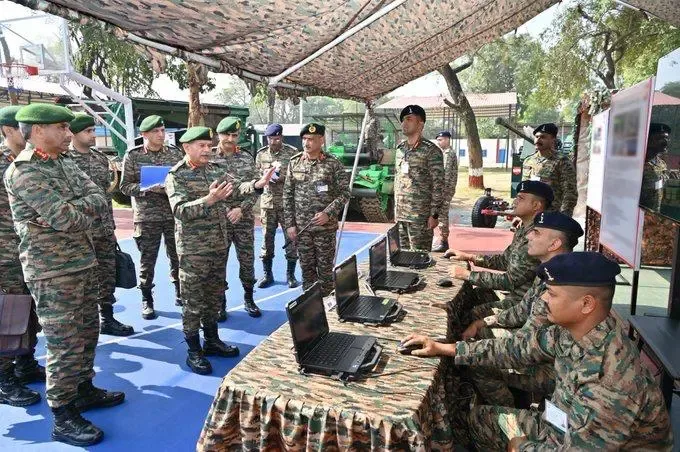
In contemporary conflicts, drones and artificial intelligence are crucial. Furthermore, the integration of robotics and data-driven warfare has transformed the operational dynamics of infantry units. A prime example of this shift can be seen in the Kharga Corps, where drone technology has been extensively utilized to bolster tactical efficiency and surveillance.
The Chief of Army Staff evaluated the Kharga Corps' drone readiness and commended its outstanding performance during Operation Sindoor.
He also acknowledged the innovative approaches in drone design and training, the implementation of advanced technological solutions in logistics and administration, and ongoing support initiatives for veterans and their families. General Dwivedi further praised the humanitarian efforts undertaken under Operation Rahat.
The Army Chief underscored that the Kharga Corps plays a vital role in fostering sustainable security through military-civil cooperation. During his interactions with officers and soldiers, he praised their professionalism, integrity, and unwavering dedication to serving the nation.
According to him, the backbone of the Indian Army lies in the courage, commitment, and discipline of its personnel—qualities that empower the force to tackle every challenge.
This visit by the Chief of Army Staff was not merely an assessment of the Corps' readiness; it also marked a significant advancement in the ongoing modernization of the Indian Army and served to uplift the morale of the troops.
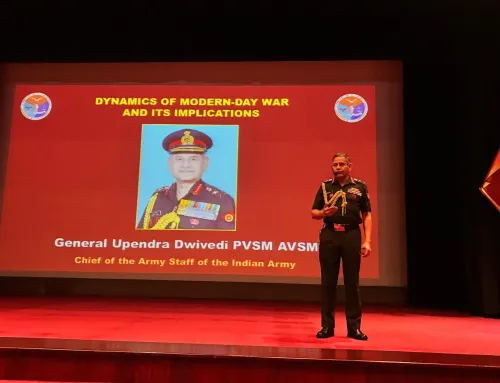
Recently, he also toured the Bikaner Military Station and adjacent border areas, where he reviewed operational preparedness and engaged with soldiers and senior officers. In his address, he stressed modernization, combat readiness, the enhancement of technical capabilities, and the pursuit of operational excellence.
Commending the personnel stationed in the challenging desert and semi-desert terrains, General Dwivedi emphasized their dedication, commitment, and exemplary collaboration among various agencies. He highlighted the necessity of technology integration at every operational level to sustain high readiness.
The Army Chief called for seamless collaboration among the Armed Forces, government agencies, industry, academia, and the community to confront today’s intricate security challenges. He reiterated the significance of military-civil fusion and recognized the invaluable contributions of veterans in fortifying India’s defense preparedness and combat effectiveness.
Point of View
It is paramount to recognize the strides the Indian Army is making under General Dwivedi's leadership. The emphasis on modern technologies and inter-agency collaboration is a testament to the evolving landscape of national security, ensuring that our forces remain prepared for any challenge.
NationPress
2 Oct 2026
Frequently Asked Questions
What was the purpose of General Dwivedi's visit to Kharga Corps?
General Dwivedi's visit aimed to assess the operational preparedness of the Kharga Corps, focusing on drone capabilities and training innovations.
How does drone technology impact modern warfare?
Drone technology significantly enhances tactical efficiency, surveillance, and operational capabilities in contemporary military conflicts.
What initiatives were reviewed during the visit?
The review included initiatives for improving combat capabilities, integrating new technologies, and fostering military-civil cooperation.