Agniveer discharge 2026: Army Commander inspects Sikh, Punjab Regimental Centres at Ramgarh
Synopsis
With the Army's first Agniveer batch set for discharge in December 2026–January 2027, the Eastern Army Commander's inspection of key Regimental Centres at Ramgarh signals the administrative machinery is now in motion. The Air Force has already retained 712 of 2,850 Agniveer Vayus; the Army's far larger exit cohort will be the real stress-test of whether the scheme's promised ₹11.71 lakh Seva Nidhi and CAPF reservation commitments hold up at scale.
Key Takeaways
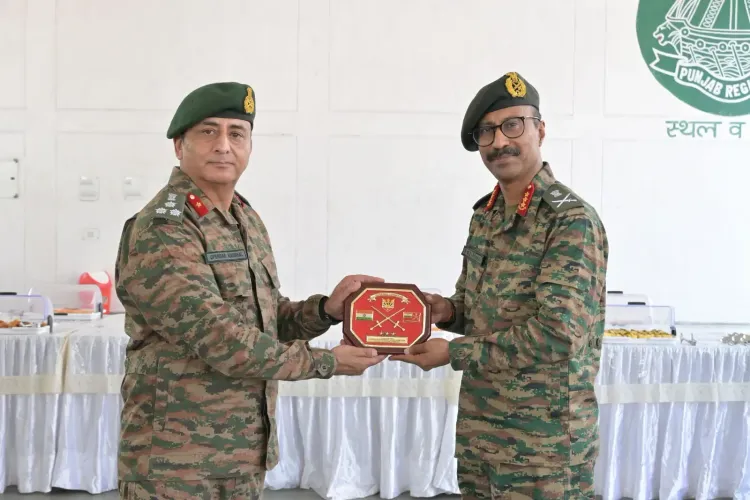
Lt Gen VMB Krishnan , Eastern Army Commander, visited the Sikh and Punjab Regimental Centres at Ramgarh Cantonment on 15 October 2026 .
The Indian Army will discharge its first Agniveer batch between December 2026 and January 2027 — the largest exit cohort across all three services.
Exiting Agniveers are entitled to approximately ₹11.71 lakh (tax-free) under the Seva Nidhi package, along with a skill-set certificate.
Only 25% of Agniveers are absorbed into regular service; discharge orders are issued 120 days before tenure ends.
The Indian Air Force has already retained 712 out of 2,850 Agniveer Vayus from its first batch.
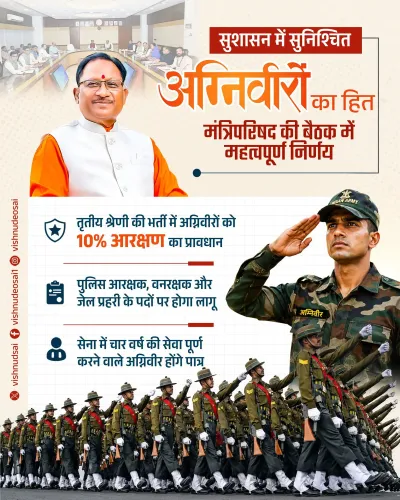
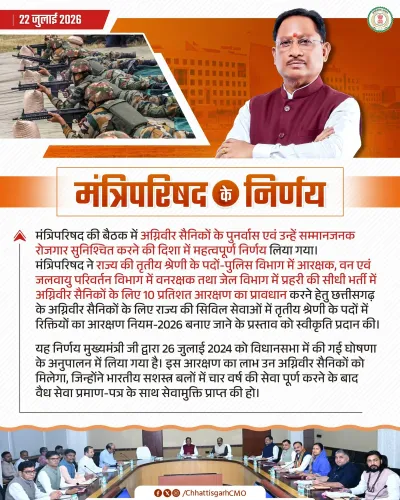
The Centre has reserved 50% of CAPF constable posts and Assam Rifles rifleman posts for outgoing Agniveers; West Bengal plans to absorb hill-district Agniveers into the Eastern Frontier Rifles .
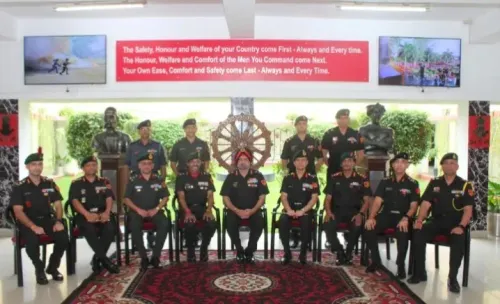
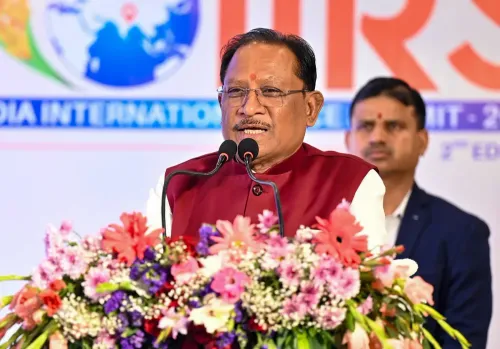
Lieutenant General VMB Krishnan, General Officer Commanding-in-Chief (GOC-in-C) of the Eastern Command, visited the Sikh Regimental Centre and the Punjab Regimental Centre at Ramgarh Cantonment on Thursday, 15 October 2026, ahead of the scheduled discharge of the first batch of Agniveers from the Indian Army in approximately two months. The visit comes as the Army gears up for the largest Agniveer exit since the scheme was launched under the Agnipath initiative.
What the Army Commander Reviewed
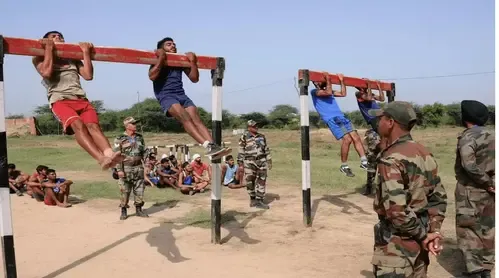
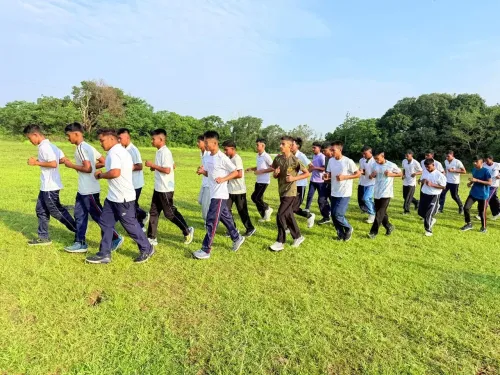
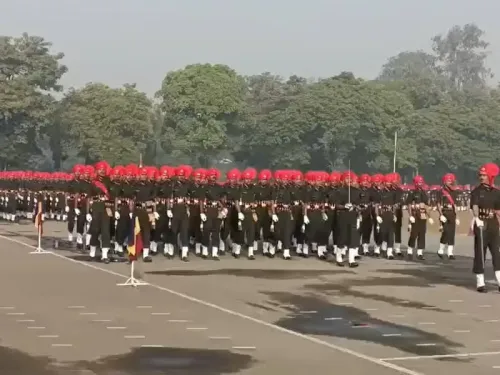
During his visit, Lt Gen Krishnan reviewed the training and administrative aspects of the Agniveers at both Regimental Centres. Officers briefed him on training modules and administrative procedures, after which he interacted directly with the troops and awarded commendation badges. He expressed satisfaction with the contemporary training methodology and the progressive infrastructure development at the Centres.
The Role of Regimental Centres in the Discharge Process
Regimental Centres and Record Offices are central to the discharge process. Formal discharge orders for Agniveers who have completed their four-year tenure and have not been retained are issued through respective Record Offices and Regimental or Training Centres, roughly 120 days prior to the completion of service. Mandatory exit medical examinations and health clearances are conducted between 180 and 90 days before discharge. These Centres also handle final administrative clearances, transition paperwork, and the processing of Seva Nidhi package details, enabling a smooth return to civilian life for those exiting the service.
Seva Nidhi Package and Absorption Policy
Under the Seva Nidhi package, outgoing Agniveers are entitled to receive approximately ₹11.71 lakh (tax-free) along with a skill-set certificate. The selection rolls for the 25% of Agniveers who are absorbed into regular service are also processed and forwarded in coordination with the Record Offices and Regimental Centres. The complete four-year service records of each Agniveer — including performance counselling and feedback — are maintained by the Centres throughout the cycle.
Discharge Timeline Across the Three Services
The Indian Air Force has already completed the retention process, absorbing 712 Agniveer Vayus from its first batch of 2,850. The Indian Navy is expected to discharge its first batch in November 2026. The Indian Army will see its largest Agniveer discharge between December 2026 and January 2027. This staggered timeline across the three services has given each branch an opportunity to refine administrative workflows before the Army's larger exit cohort is processed.
Rehabilitation and Civilian Re-entry
The Central government has reserved 50% of constable posts in the Central Armed Police Forces (CAPF) for exiting Agniveers. A similar reservation applies to rifleman posts in the Assam Rifles. Several state governments have also announced their own recruitment policies targeting former Agniveers. Notably, West Bengal has plans to rejuvenate the Eastern Frontier Rifles with Agniveers from the hill districts of the state, offering a regionally focused rehabilitation pathway. How effectively these opportunities are communicated and operationalised will determine the real-world impact of the scheme's exit framework.
Point of View
But it is happening against a politically charged backdrop: the Agnipath scheme has faced persistent criticism over job security, and the first large-scale discharge will be its most public test yet. The Air Force's retention of just 712 out of 2,850 — roughly 25% — confirms that the exit rate is as designed, but it also means around 2,100 Agniveer Vayus are re-entering the civilian labour market simultaneously. The CAPF and Assam Rifles reservations provide a partial safety net, but the sheer volume of the Army's December–January discharge cohort will demand that state-level rehabilitation pipelines are operationally ready, not just announced. Whether the ₹11.71 lakh Seva Nidhi is processed without bureaucratic delay will shape public perception of the scheme's fairness far more than any policy statement.
NationPress
15 Oct 2026
Frequently Asked Questions
When will the first batch of Agniveers be discharged from the Indian Army?
The Indian Army's first batch of Agniveers is expected to be discharged between December 2026 and January 2027, making it the largest single discharge cohort across all three services. The Indian Navy is set to discharge its first batch earlier, in November 2026.
What is the Seva Nidhi package for Agniveers?
The Seva Nidhi package entitles outgoing Agniveers to approximately ₹11.71 lakh in a tax-free lump sum, along with a skill-set certificate to support their transition to civilian employment. The package is processed by Regimental Centres and Record Offices.
How many Agniveers are retained versus discharged?
Under the Agnipath scheme, 25% of Agniveers from each batch are absorbed into regular service after their four-year tenure; the remaining 75% are discharged. The Indian Air Force, for instance, retained 712 out of its first batch of 2,850 Agniveer Vayus.
What jobs are reserved for discharged Agniveers?
The Central government has reserved 50% of constable posts in the Central Armed Police Forces and rifleman posts in the Assam Rifles for outgoing Agniveers. Several states have also announced separate recruitment policies; West Bengal plans to induct Agniveers from hill districts into the Eastern Frontier Rifles.
Why did the Eastern Army Commander visit Ramgarh Cantonment?
Lt Gen VMB Krishnan visited the Sikh Regimental Centre and Punjab Regimental Centre at Ramgarh Cantonment on 15 October 2026 to review training and administrative preparedness ahead of the first Agniveer discharge cycle. He inspected discharge procedures, exit medical examination protocols, and the Seva Nidhi processing framework.