Army's Mega Medical Camp in Udhampur Reaches 2,500 Patients
Synopsis
The Indian Army's Northern Command organised a two-day Mega Medical Speciality Camp at remote Basantgarh in Udhampur, examining an estimated 2,000–2,500 patients. Nearly half the cases were ophthalmology-related, with cataracts dominant, highlighting chronic healthcare gaps in Jammu and Kashmir's hilly terrain.
Key Takeaways
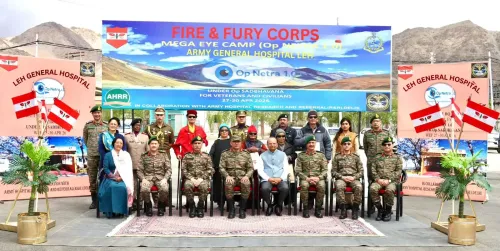
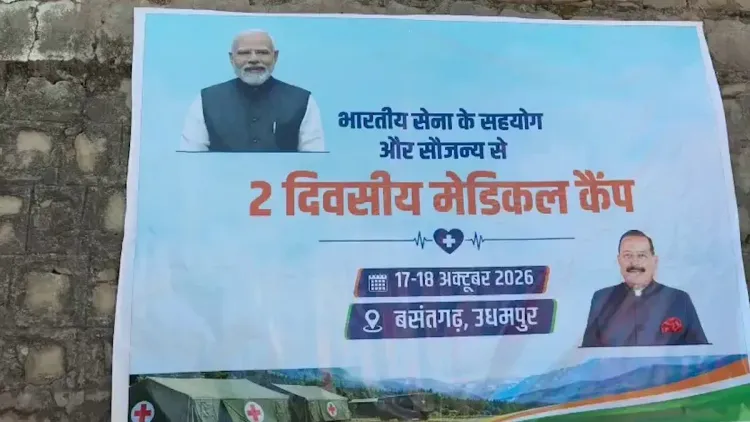
The Indian Army Northern Command held a two-day Mega Medical Speciality Camp at Basantgarh , near Ramnagar, Udhampur district , J&K.
An estimated 2,000–2,500 patients were examined across the two days — approximately 1,000 on day one and 1,000–1,500 on day two .
Nearly 50% of cases were ophthalmology-related, with cataracts forming a substantial proportion — a largely preventable condition.
The camp is part of the Army's long-standing civic outreach in J&K, rooted in Operation Sadbhavana launched in 1998 .
Singh flagged the camp's epidemiological value: caseload data could guide future health planning and referrals to schemes like Ayushman Bharat .
Basantgarh is described as a hilly area with 'poor accessibility and very inadequate basic healthcare facility.'
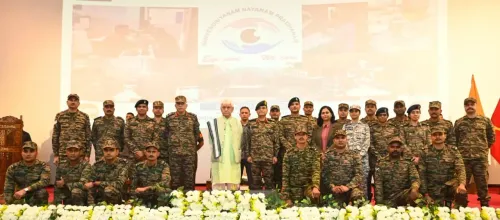
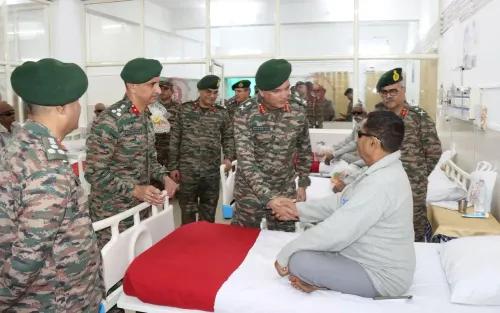
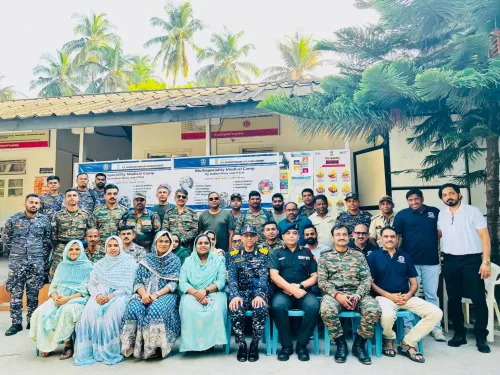
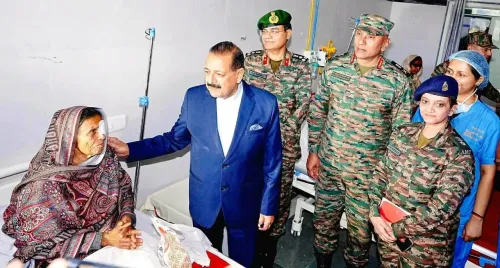
In the hilly, hard-to-reach village of Basantgarh near Ramnagar in Udhampur district, Jammu and Kashmir, the Indian Army's Northern Command brought a rare gift — specialist doctors, diagnostic equipment, and two full days of free healthcare — to communities that have long lived beyond the reach of routine medical services. Union Science and Technology Minister Dr. Jitendra Singh praised the initiative on Sunday, 18 October 2026, calling it 'a blessing for the local people.'
2,000–2,500 patients seen across two days in Basantgarh
The scale of the camp was striking. Around 1,000 patients were examined on the first day alone; a further 1,000 to 1,500 turned up on the second, pushing the two-day total to an estimated 2,000–2,500 patients. For a remote hill region with, as Dr. Singh noted, 'very inadequate basic healthcare facility,' those numbers are not just statistics — they are a measure of suppressed, unmet need.
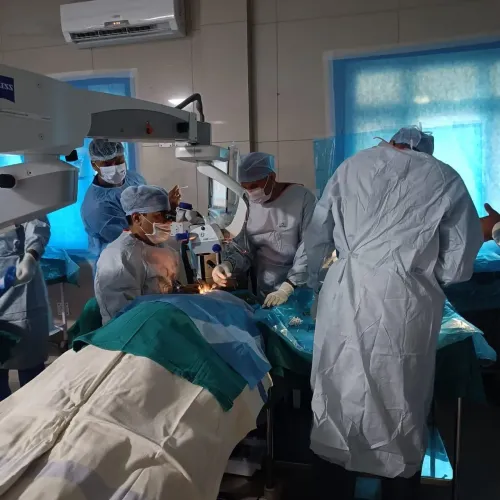
Nearly 50 per cent of all cases were linked to ophthalmology, with cataracts accounting for a substantial share. Cataracts are almost entirely curable with timely surgery, yet they remain a leading cause of preventable blindness across India's difficult terrains where specialist services rarely travel. One number, one preventable condition — and it tells the whole story of what chronic access gaps look like on the ground.
Northern Command's long record of civic outreach in J&K
This is not an isolated act of goodwill. The Indian Army's Northern Command, headquartered in Udhampur, has run structured civic-action programmes in Jammu and Kashmir for decades. Operation Sadbhavana, launched in 1998, formalised the Army's welfare work — medical camps, school support, and community infrastructure — specifically to build trust in militancy-affected and remote pockets of the Union territory.
Dr. Singh's post captures something real about that relationship: communities here have known the Army not only as a security force during years of terror and militancy but as a consistent source of practical support. 'The Indian Army has otherwise also been their constant companion and custodian in times of terror and militancy,' he wrote.
Cataract data could shape future health planning for the region
Beyond immediate relief, Dr. Singh pointed to a diagnostic value in the exercise — the camp's caseload can help map the disorders most prevalent in the region, particularly those 'that can be prevented through timely diagnosis, treatment and awareness.' That data, if channelled into policy, could inform deployment of mobile health units or help prioritise districts under central schemes such as Ayushman Bharat for follow-up surgical interventions.
A two-day camp cannot close decades of healthcare infrastructure debt in a single sweep. But 2,500 patients examined, half of them with treatable eye conditions, in a village most health planners have never visited — that is a starting point worth building on.
Point of View
Yet their prevalence in such numbers signals that specialist access has been near-zero for years. For the Centre, the data gathered here offers a concrete policy hook — prioritising remote J&K blocks under Ayushman Bharat's surgical coverage would convert a one-off military gesture into a systemic fix. Dr. Singh's public endorsement signals political ownership of that gap, which could accelerate follow-through.
NationPress
18 Oct 2026
Frequently Asked Questions
Where was the Indian Army's Mega Medical Speciality Camp held?
The camp was held at Basantgarh , near Ramnagar, in Udhampur district of Jammu and Kashmir — a remote hilly area with limited healthcare access.
How many patients were seen at the Basantgarh medical camp?
An estimated 2,000–2,500 patients were examined over the two days — around 1,000 on day one and 1,000–1,500 on day two.
What health conditions were most common at the Army camp in Udhampur?
Nearly 50% of cases were ophthalmology-related , with cataracts accounting for a substantial share, reflecting chronic shortages of specialist eye care in the region.
What is Operation Sadbhavana and how does it relate to this camp?
Operation Sadbhavana was launched by the Indian Army in 1998 to conduct welfare activities — including medical camps — in remote and militancy-affected areas of Jammu and Kashmir, and forms the institutional backbone for camps like this one.
Who praised the Indian Army's medical camp at Basantgarh?
Union Minister Dr. Jitendra Singh publicly thanked the Indian Army's Northern Command for the camp, calling it 'a blessing for the local people' and highlighting its value for future health planning in the region.