Assam CM Himanta Expands Cashless Health Cover for 20 Lakh+
Synopsis
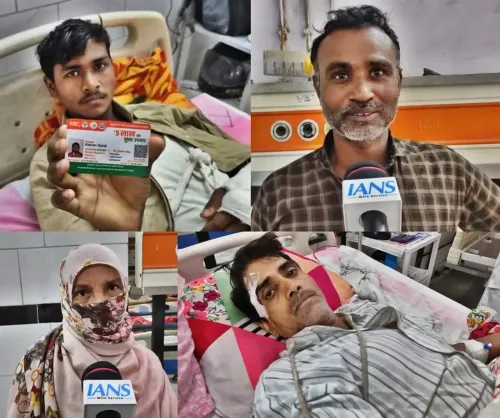
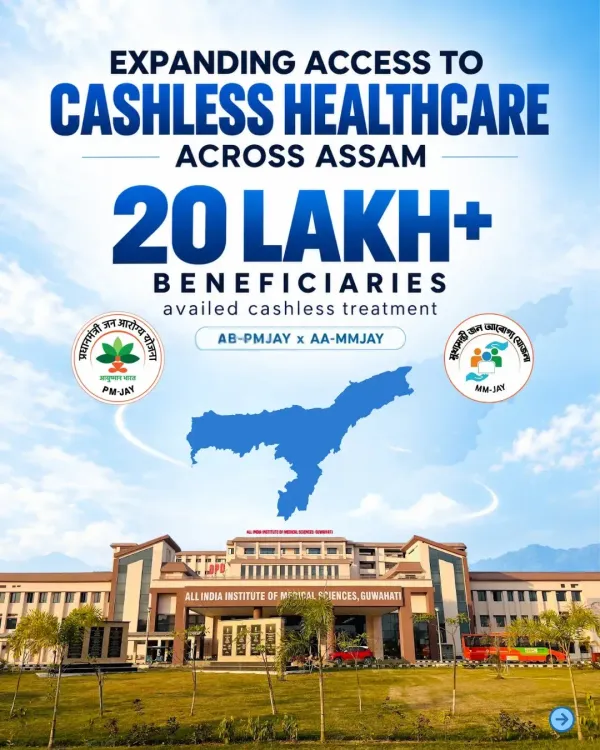
Assam's CMO reports over 20 lakh beneficiaries have accessed cashless healthcare under AB-PMJAY and state scheme AA-MMJAY, with 2.5 lakh+ receiving cashless cancer and critical-care treatment — a milestone framed as realising PM Modi's accessible healthcare vision.
Key Takeaways
Over 20 lakh beneficiaries in Assam have availed cashless treatment under AB-PMJAY and AA-MMJAY combined.
More than 2.5 lakh patients have received cashless care specifically for cancer and serious illnesses .
AB-PMJAY , launched nationally in 2018 , covers up to Rs 5 lakh per family per year for hospitalisation at empanelled hospitals.
Assam's AA-MMJAY acts as a state-level top-up to extend coverage beyond the central scheme's limits, particularly for high-cost conditions.
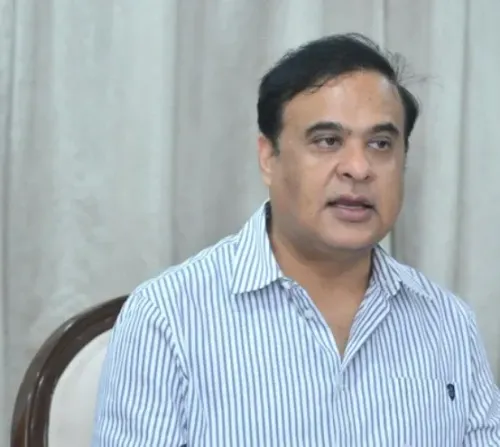
Chief Minister Himanta Biswa Sarma has driven hospital empanelment and awareness campaigns across Assam since taking office in May 2021 .
Verified utilisation data is expected in Assam's next health budget, which will serve as the formal audit of these figures.
Cashless healthcare is no longer a promise on paper for millions of Assam families — it is an active reality. The Chief Minister's Office of Assam announced on Friday, 25 September 2026 that over 20 lakh beneficiaries across the state have availed treatment under the combined umbrella of the Ayushman Bharat Pradhan Mantri Jan Arogya Yojana (AB-PMJAY) and the state's own Arogya Aashray – Mukhyamantri Jan Arogya Yojana (AA-MMJAY), with more than 2.5 lakh patients receiving cashless care specifically for cancer and other serious illnesses.
Two Schemes, One Safety Net: How AB-PMJAY and AA-MMJAY Work Together
At the foundation sits AB-PMJAY, the flagship national health insurance scheme launched in 2018 by the Government of India under Prime Minister Narendra Modi. It provides eligible families up to Rs 5 lakh per year for secondary and tertiary hospitalisation at empanelled hospitals — entirely cashless. Assam recognised that this alone could not absorb the full burden of catastrophic illnesses, particularly cancer, and layered AA-MMJAY on top to extend coverage where the central scheme's limits fall short.
Chief Minister Himanta Biswa Sarma, who took charge of Assam in May 2021, has led an aggressive push to increase hospital empanelment and awareness drives across the state's districts, including in remote northeastern pockets where out-of-pocket medical expenses historically pushed families into debt. The combined architecture means a beneficiary does not need to arrange funds at admission — the system settles costs directly with the hospital.
2.5 Lakh Cancer and Critical-Care Claims: Why This Number Matters
Cancer care is among the most financially devastating medical events an Indian family can face, with treatment costs routinely running into several lakhs. The figure of 2.5 lakh+ cashless cancer and serious-illness treatments in Assam signals that high-cost oncology cases — not just routine surgeries — are being absorbed within the scheme's framework. This is a concrete stress-test of the policy's design.
Across India, several states have replicated this 'central floor, state top-up' model to close gaps in oncology and cardiac care. Assam's reported utilisation places it within a broader northeastern pattern of accelerating scheme uptake since 2021, driven by hospital empanelment campaigns and ground-level beneficiary identification drives.
What the Assam Government Is Claiming — and What Comes Next
The CMO's post frames the milestone explicitly within Prime Minister Modi's 'accessible healthcare' vision, positioning Chief Minister Sarma as its executor in the northeast. The political messaging is unmistakable, but the underlying figures — if borne out in official utilisation reports — represent a substantive expansion of social protection for one of India's lower-income states.
The next concrete checkpoint will be Assam's upcoming health budget presentation, which should carry verified claim-settlement data and hospital empanelment numbers. That is the document that will test whether the headline utilisation figures translate into cleared bills and genuinely debt-free families.
Point of View
If verified, place the state among the more active implementers of India's layered health-insurance architecture — a model where state top-up schemes patch the gaps left by the central PMJAY floor. The explicit attribution to PM Modi's vision and CM Sarma's execution follows a standard BJP governance-communication playbook, but the political framing should not obscure the genuine policy substance: cashless oncology coverage at scale is difficult to deliver and the 2.5 lakh cancer-care figure, if confirmed, would be a real marker of scheme depth. The key question is whether hospital empanelment in rural and remote Assam has kept pace with beneficiary registration — utilisation numbers mean little if patients still travel hundreds of kilometres to reach a covered facility. The next Assam health budget will be the moment of reckoning.
NationPress
25 Sept 2026
Frequently Asked Questions
What is AA-MMJAY in Assam?
AA-MMJAY stands for Arogya Aashray – Mukhyamantri Jan Arogya Yojana, Assam's state-level health insurance scheme that complements the central AB-PMJAY by extending cashless treatment coverage, particularly for high-cost conditions like cancer that may exceed the national scheme's limits.
How many people have benefited from Ayushman Bharat in Assam?
According to the Chief Minister's Office of Assam, over 20 lakh beneficiaries have availed cashless treatment under the combined AB-PMJAY and AA-MMJAY schemes in Assam.
Is cancer treatment covered under AB-PMJAY?
Yes, AB-PMJAY covers a range of oncology treatments under its benefit package. In Assam, the state scheme AA-MMJAY further supplements this coverage, and the CMO has reported that over 2.5 lakh patients have received cashless cancer and critical-illness care under the combined programme.
What is the coverage amount under Ayushman Bharat PMJAY?
AB-PMJAY provides eligible families up to Rs 5 lakh per year for secondary and tertiary hospitalisation at empanelled hospitals, entirely on a cashless basis.
Who is implementing Ayushman Bharat in Assam?
The scheme is implemented at the state level under Chief Minister Himanta Biswa Sarma, who has overseen hospital empanelment drives and beneficiary identification campaigns in Assam since May 2021, in line with the national programme launched by PM Narendra Modi in 2018.