Assam Budget 2026: 30 Lakh Women Get Enterprise Funds Under CM Scheme
Synopsis
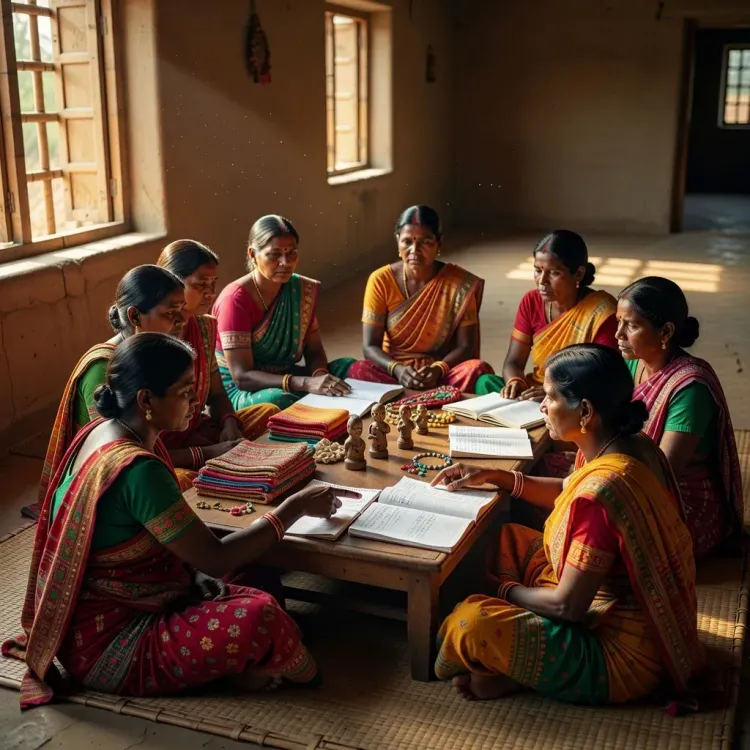
The Chief Minister's Office of Assam announced in the Assam Budget 2026 that 30 lakh women have received enterprise funds under Mukhyamantri Mahila Udyamita Abhiyaan, creating 9.05 lakh Lakhpati Baideus. New measures include collateral-free loans and a stamp duty exemption on agreements up to ₹10 lakh for ASRLM members.
Key Takeaways
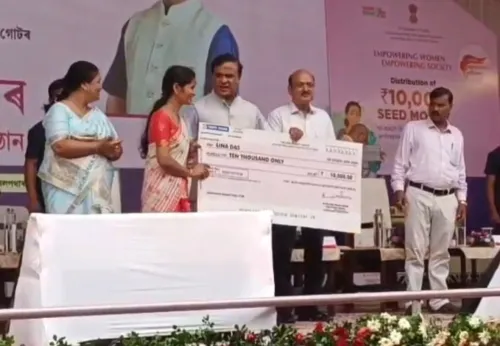
Around 30 lakh women have received enterprise funds under Mukhyamantri Mahila Udyamita Abhiyaan as announced in the Assam Budget 2026 .
9.05 lakh Lakhpati Baideus have been created — women SHG members who earn at least ₹1 lakh annually through enterprise activity.
Individual SHG members will gain access to collateral-free bank loans under Government of India credit guarantee schemes .
Women SHG members under ASRLM will receive a stamp duty exemption on individual loan agreements up to ₹10 lakh .
The measures integrate Assam's state schemes with central financial architecture to reduce barriers to women's entrepreneurship.
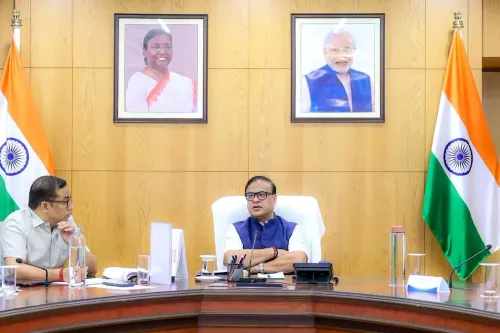
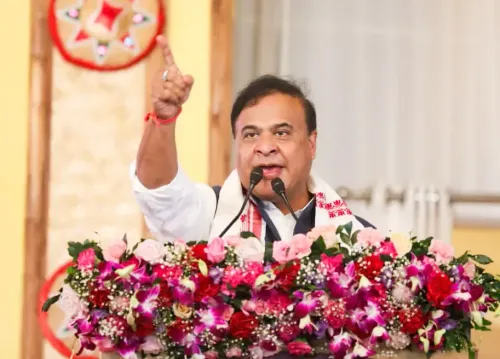
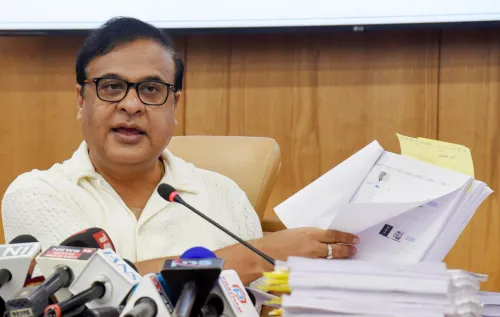
The Chief Minister's Office of Assam announced key highlights of the Assam Budget 2026 on Friday, 10 July 2026, revealing that approximately 30 lakh women have received enterprise funds under the Mukhyamantri Mahila Udyamita Abhiyaan, with the state extending fresh financial access measures for women entrepreneurs in self-help groups.
Context
The budget announcement states that the Mukhyamantri Mahila Udyamita Abhiyaan has so far enabled around 30 lakh women to receive enterprise funds, resulting in the creation of 9.05 lakh Lakhpati Baideus — women from self-help groups (SHGs) who have achieved annual incomes of at least ₹1 lakh through sustained enterprise activity. The Lakhpati Baideu initiative is a flagship Assam programme designed to move SHG members from subsistence to income sufficiency.
Individual SHG members will now be supported in accessing collateral-free bank loans under Government of India credit guarantee schemes, enabling them to start or expand their enterprises without the burden of pledging assets.
Policy Backdrop
The measures announced build on the foundation of the National Rural Livelihoods Mission (NRLM), restructured in 2011, which established the SHG-centric model for rural credit and enterprise promotion across India. In Assam, the Assam State Rural Livelihoods Mission (ASRLM) serves as the state implementation agency, focusing on SHG formation, capacity building, and livelihood promotion.
A significant new provision in this budget is the stamp duty exemption on individual loan agreements up to ₹10 lakh for women SHG members under ASRLM. This waiver directly reduces the transactional cost of formalising loans, a barrier that has historically discouraged rural women from entering institutional credit channels. The move reflects a wider pattern across Indian states of layering financial incentives onto NRLM foundations — integrating central credit guarantee mechanisms from institutions such as SIDBI and partner banks to reduce collateral barriers at the grassroots level.
Stakeholders and Impact
The primary beneficiaries are rural women SHG members enrolled under ASRLM across Assam. The collateral-free loan linkage is expected to open institutional credit to women who lack land titles or other pledgeable assets — a structural disadvantage that has long limited their entrepreneurial ambitions. The stamp duty exemption on agreements up to ₹10 lakh makes smaller-ticket enterprise loans more financially viable by eliminating an upfront cost at the point of documentation.
For the broader SHG ecosystem, the convergence of a state-run enterprise fund with central credit guarantee schemes signals a maturing integration between Assam's state-specific programmes and national financial architecture, potentially offering a replicable model for other northeastern states.
What's Next
Attention will now shift to district-level ASRLM operations to see how swiftly the stamp duty exemption mechanism is operationalised and whether banks roll out collateral-free loan products aligned with the Government of India credit guarantee framework in rural Assam. A mid-term review of enterprise survival rates among Lakhpati Baideus in subsequent budgets will be a key indicator of whether the scheme translates fund disbursement into durable income gains. If implementation keeps pace with the ambition of the announcement, Assam could emerge as a benchmark for women-led rural enterprise policy in northeastern India.
Point of View
Credit guarantees, and now a stamp duty waiver — that addresses multiple friction points in the rural credit chain simultaneously rather than relying on a single intervention. The scale cited, 30 lakh beneficiaries and over 9 lakh Lakhpati Baideus, positions Assam as an assertive actor in the national women's livelihood space ahead of what is likely to be a competitive political environment in the state. The integration of ASRLM operations with Government of India credit guarantee mechanisms is particularly notable because it signals a shift from grant-based support toward institutionalised, bank-linked credit — a more sustainable but also more demanding model for beneficiaries. Whether the state's administrative machinery can operationalise the stamp duty exemption at district level at speed will determine if this announcement converts into measurable economic change.
NationPress
10 Jul 2026
Frequently Asked Questions
What is Mukhyamantri Mahila Udyamita Abhiyaan in Assam?
Mukhyamantri Mahila Udyamita Abhiyaan is an Assam government scheme that provides enterprise funds to women, particularly through self-help groups, to promote self-employment and entrepreneurship. As per the Assam Budget 2026, around 30 lakh women have received funds under this scheme.
What is a Lakhpati Baideu?
A Lakhpati Baideu is a woman SHG member in Assam who has achieved an annual income of at least ₹1 lakh through sustained enterprise activity under state livelihood programmes. The Assam Budget 2026 announced that 9.05 lakh such women have been created under the scheme.
What is the stamp duty exemption announced in Assam Budget 2026 for women SHG members?
Women SHG members under ASRLM will receive a stamp duty exemption on individual loan agreements up to ₹10 lakh, reducing the upfront cost of formalising enterprise loans and making entrepreneurship more financially accessible.
What is ASRLM and what role does it play in women's entrepreneurship in Assam?
ASRLM stands for Assam State Rural Livelihoods Mission. It is the state implementation agency for the National Rural Livelihoods Mission, responsible for SHG formation, capacity building, and livelihood promotion. It is the primary vehicle through which women access enterprise funds and credit in rural Assam.
How will Assam SHG members get collateral-free loans under the 2026 budget?
Individual SHG members in Assam will be supported in accessing collateral-free bank loans through Government of India credit guarantee schemes, which allow banks to lend without requiring borrowers to pledge physical assets, enabling women without land titles to access institutional credit.