Assam CM Office: 200 Women Complete Hospitality Training Under Lakhpati Didi
Synopsis
The Chief Minister's Office of Assam announced on 27 June 2026 that 200 rural women have completed hospitality training under the Lakhpati Didi initiative, a DAY-NRLM programme targeting annual earnings of Rs 1 lakh for SHG members across India.
Key Takeaways
200 women from Assam's rural Self Help Groups completed hospitality training under the Lakhpati Didi initiative.
The announcement was made by the Chief Minister's Office of Assam on 27 June 2026 .
Lakhpati Didi was launched in August 2023 under DAY-NRLM with a target of reaching two crore rural women nationally.
The scheme aims to ensure each participating SHG woman earns at least Rs 1 lakh annually through diversified livelihoods.
Hospitality training was chosen as a strategic vertical to leverage Assam 's growing eco-tourism and cultural heritage sector.
Post-training placement rates and income data will be key indicators for evaluating the programme's success in the state.
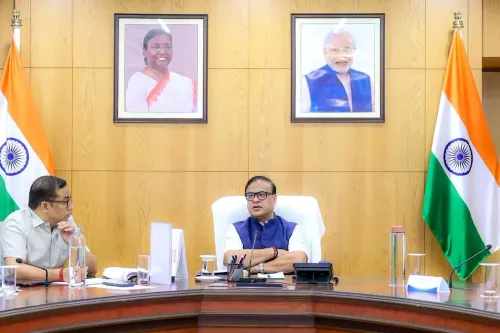
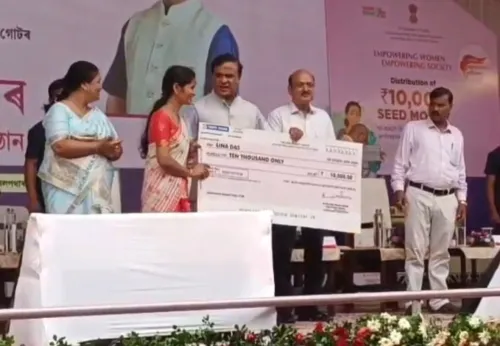
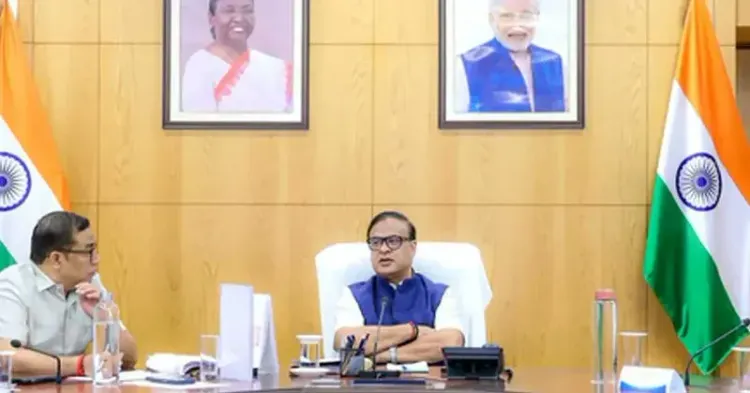
The Chief Minister's Office of Assam announced on Saturday, 27 June 2026 that 200 women have successfully completed hospitality training under the Lakhpati Didi initiative, marking a significant milestone in the state's push to diversify rural women's livelihoods through skill development.
Context
The Lakhpati Didi scheme, formally launched by the Ministry of Rural Development in August 2023, is a saturation programme under the Deendayal Antyodaya Yojana-National Rural Livelihoods Mission (DAY-NRLM) with a national target of enabling two crore rural women in Self Help Groups (SHGs) to earn at least Rs 1 lakh annually through diversified income streams. The completion of this hospitality training cohort in Assam represents the scheme's on-ground execution at the state level, channelling central resources into sector-specific skill sets.
Chief Minister Himanta Biswa Sarma, who has helmed Assam since May 2021, has consistently positioned the state as an active implementer of central rural livelihood programmes. The hospitality sector was identified as a strategic training vertical given Assam's expanding eco-tourism footprint and rich cultural heritage sites that generate steady demand for trained service personnel.
Policy Backdrop
DAY-NRLM, operational since 2011, provides the institutional backbone for the Lakhpati Didi programme by leveraging its existing SHG network to identify and enrol beneficiaries. The 2023 expansion of the scheme introduced skill training modules — including hospitality, agro-processing, and handicrafts — as structured pathways to sustainable income, moving rural women beyond subsistence agriculture.
Assam is among the northeastern states that have integrated hospitality and tourism modules into their NRLM action plans, recognising the sector's capacity to absorb trained local workers. This approach aligns with a broader national pattern visible across multiple states where NRLM platforms are being used to plug rural women into emerging service-economy opportunities.
Stakeholders and Impact
The 200 women who completed the training are drawn from rural SHGs, the primary organisational unit through which Lakhpati Didi operates. For these participants, hospitality skills — covering areas such as food service, housekeeping, front-office operations, and customer interaction — open pathways to formal employment in hotels, resorts, and home-stay ventures across the state.
Employers in Assam's hospitality and tourism sector stand to benefit from a locally trained, certified workforce, reducing dependence on out-of-state hires. Community-level impact is expected to compound as trained women achieve the scheme's benchmark of Rs 1 lakh in annual earnings, improving household incomes and reinforcing SHG financial health.
What's Next
Attention will now turn to post-training placement rates and income tracking for this cohort, which will serve as a key performance indicator for Assam's Lakhpati Didi implementation. State officials are expected to release district-wise data on training batches and beneficiary income gains as part of the annual NRLM action plan review.
If placement outcomes are strong, this hospitality training model could be scaled to additional districts, with Assam's experience potentially informing similar northeastern states looking to leverage tourism assets for rural women's economic empowerment under the same national framework.
Point of View
The Chief Minister's Office signals alignment with the Centre's flagship rural livelihood agenda while showcasing local implementation capacity. The choice of hospitality as the training vertical is telling — it connects rural SHG women to a sector with genuine demand in Assam's tourism economy rather than generic skill programmes. Whether this translates into measurable income gains for participants will ultimately determine if the model is replicable across the Northeast.
NationPress
27 Jun 2026
Frequently Asked Questions
What is the Lakhpati Didi scheme in Assam?
Lakhpati Didi is a national programme under DAY-NRLM , launched in August 2023 , that trains rural women in Self Help Groups to earn at least Rs 1 lakh annually through skill-based livelihoods. In Assam , hospitality training is one of the key modules being offered to SHG members.
How many women completed hospitality training under Lakhpati Didi in Assam?
According to the Chief Minister's Office of Assam , 200 women completed hospitality training under the Lakhpati Didi initiative, as announced on 27 June 2026 .
What is DAY-NRLM and how does it relate to Lakhpati Didi?
Deendayal Antyodaya Yojana-National Rural Livelihoods Mission (DAY-NRLM) is a central government scheme operational since 2011 that organises rural poor women into Self Help Groups. Lakhpati Didi is a saturation programme built on top of this network, adding structured skill training to help women reach the Rs 1 lakh annual income target.
Why is hospitality chosen for Lakhpati Didi training in Assam?
Assam 's growing eco-tourism and cultural heritage sector creates steady demand for trained hospitality workers. Offering hospitality modules under Lakhpati Didi allows rural SHG women to access formal employment in hotels, resorts, and home-stays within the state.
What is the national target of the Lakhpati Didi scheme?
The Lakhpati Didi scheme has a national target of enabling two crore rural women in SHGs to earn at least Rs 1 lakh annually through diversified, skill-based livelihoods across India.