DRI seizes elephant tusks near Guwahati; 5 armed suspects flee
Synopsis
Armed with a Khukri and a Dao, five suspects abandoned two elephant tusks and fled into a village near Guwahati when DRI officers moved in. The 3.7 kg ivory haul, seized under the Wildlife Protection Act, is the latest evidence that Northeast India remains an active transit corridor for illegal wildlife trade — and that traffickers are increasingly willing to confront enforcement teams.
Key Takeaways
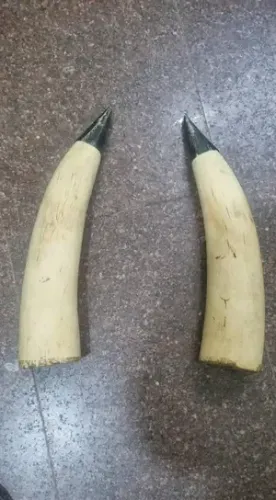
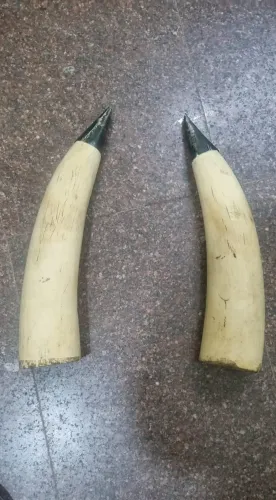
The DRI seized two elephant tusks — 29 inches and 30 inches long, weighing 3.7 kg combined — near Sonapur Toll Gate , around 27 km from Guwahati, on 5 November 2026 .
Five suspects allegedly threatened officers with a Khukri and a Dao before abandoning the bag and fleeing into a nearby village.
The tusks were seized under the Wildlife (Protection) Act, 1972 and handed over to the Assam Forest Department .
Elephants are listed under Schedule I of the Act; international ivory trade is restricted under CITES .
All five suspects remain at large; investigation is ongoing to identify and trace the broader trafficking network.
The Directorate of Revenue Intelligence (DRI) has foiled an alleged wildlife trafficking operation near Guwahati, Assam, recovering two elephant tusks weighing approximately 3.7 kg after five suspects allegedly brandished sharp weapons and fled the scene, officials said on Tuesday, 10 November 2026. The seizure, carried out on 5 November, underscores persistent concerns over illegal wildlife trade in India's Northeast.
How the Operation Unfolded
Acting on specific intelligence about the movement of elephant tusks, DRI officers set up an intercept near the Sonapur Toll Gate, roughly 27 km from Guwahati, at around 5:40 pm on 5 November. Officers spotted five suspects travelling on two two-wheelers, one of whom was carrying a bag suspected to contain wildlife contraband.
When officers moved to intercept the group, the suspects allegedly attempted to escape and threatened pursuing personnel with sharp-edged weapons, including a Khukri and a Dao. The suspects ultimately abandoned the bag and fled into a nearby village, according to officials.
What Was Recovered
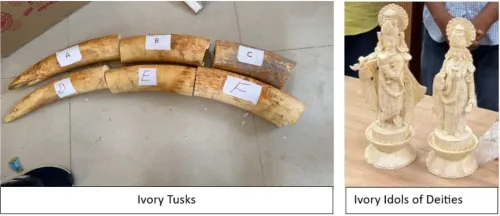
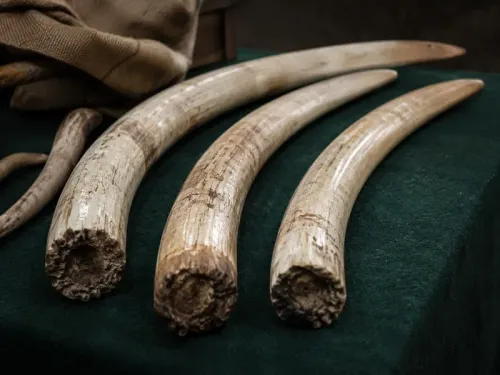
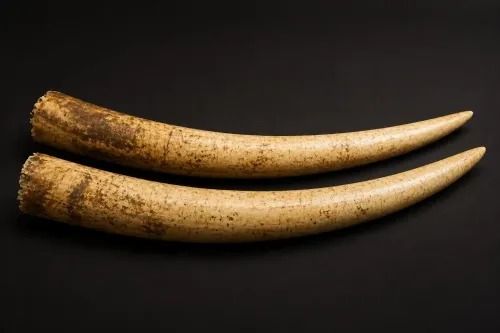
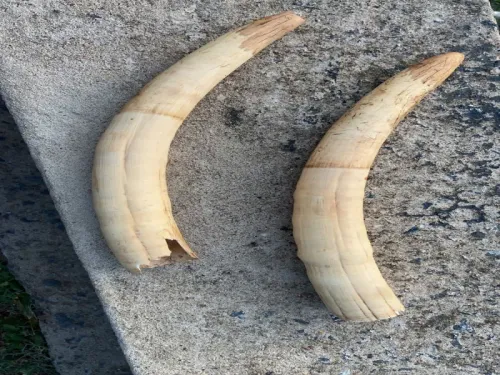
Examination of the abandoned bag led to the recovery of two elephant tusks — measuring 29 inches and 30 inches in length respectively — with a combined weight of approximately 3.7 kg. The tusks were seized under the provisions of the Wildlife (Protection) Act, 1972, and subsequently handed over to the Assam Forest Department for further investigation and legal action.
Legal and Conservation Context
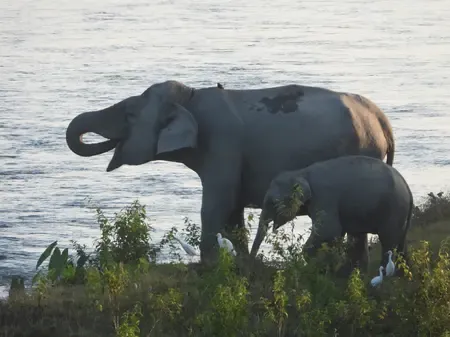
Elephants are classified under Schedule I of the Wildlife (Protection) Act, 1972, affording them the highest level of protection under Indian law. International commercial trade in elephant ivory is also heavily restricted under the Convention on International Trade in Endangered Species of Wild Fauna and Flora (CITES). Violations carry stringent penalties, including imprisonment and heavy fines.
Notably, this seizure is consistent with a broader pattern of wildlife trafficking activity in Northeast India. The region's porous international borders have repeatedly been flagged by enforcement agencies as a transit corridor for illegal trade in protected species and wildlife products, including ivory, rhino horn, and big-cat parts.
Investigation Status and What Comes Next
The DRI confirmed that further investigation is underway to identify and apprehend those involved in the alleged trafficking network. The agency said it remains committed to disrupting such operations through intelligence-based approaches and coordination with forest and enforcement agencies. The five suspects who fled remain at large, according to officials, and their identities are being established.
Point of View
But the escape of all five suspects exposes a structural gap: without adequate backup and rapid-response coordination, ground teams are left exposed. The Northeast has long been documented as a transit hub for ivory and other contraband heading toward Southeast Asia — a pattern that isolated seizures will not break without sustained cross-agency operations, border surveillance, and prosecutions that reach trafficking networks rather than just couriers.
NationPress
10 Nov 2026
Frequently Asked Questions
What did the DRI seize near Guwahati on 5 November 2026?
The DRI recovered two elephant tusks measuring 29 inches and 30 inches in length, with a combined weight of approximately 3.7 kg, from an abandoned bag near the Sonapur Toll Gate about 27 km from Guwahati. The seizure was made under the Wildlife (Protection) Act, 1972.
What happened to the five suspects involved in the alleged trafficking?
All five suspects fled the scene after allegedly threatening DRI officers with sharp-edged weapons, including a Khukri and a Dao. They escaped into a nearby village and remain at large; investigation is ongoing to identify and trace them.
Why is elephant ivory trafficking a serious offence in India?
Elephants are listed under Schedule I of the Wildlife (Protection) Act, 1972, which provides the highest level of legal protection and attracts severe penalties. International commercial trade in ivory is also heavily restricted under CITES, the global treaty governing trade in endangered species.
Why is Northeast India considered a hotspot for wildlife trafficking?
The Northeast shares international borders with multiple countries and has repeatedly been identified by enforcement agencies as a transit corridor for illegal trade in protected species and wildlife products. Its geography makes it attractive for traffickers moving contraband toward Southeast Asian markets.
What agency is now handling the seized tusks?
The seized elephant tusks were handed over to the Assam Forest Department for further investigation and necessary legal action after the initial seizure by the DRI.