CM Assam: Gohpur-Numaligarh Tunnel to Cut Travel by 85%
Synopsis
The Chief Minister's Office of Assam has announced the Gohpur-Numaligarh tunnel, a proposed under-river link costing Rs 18,662 crore that will cut travel distance between the north and south banks of the Brahmaputra by 85 per cent, marking a potential step-change in eastern Assam's connectivity.
Key Takeaways
The CMO Assam announced the Gohpur-Numaligarh tunnel on 13 June 2026 .
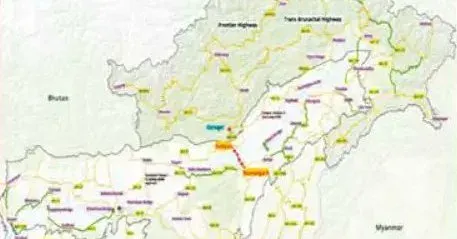
The tunnel will connect Gohpur (Biswanath district, north bank) with Numaligarh (Golaghat district, south bank) under the Brahmaputra.
Travel distance is projected to fall by 85 per cent once the tunnel is operational.
The project is estimated to cost Rs 18,662 crore .
Numaligarh Refinery Limited and oil-sector logistics are among the key economic stakeholders.
Pending milestones include tender finalisation, environmental clearances, and wildlife impact assessments for the tunnel alignment.
The Chief Minister's Office of Assam on Saturday, 13 June 2026 announced that a proposed tunnel connecting Gohpur in Biswanath district on the north bank of the Brahmaputra with Numaligarh in Golaghat district on the south bank will slash travel distance by 85 per cent, a move the office described as a transformative connectivity leap for eastern Assam.
Context
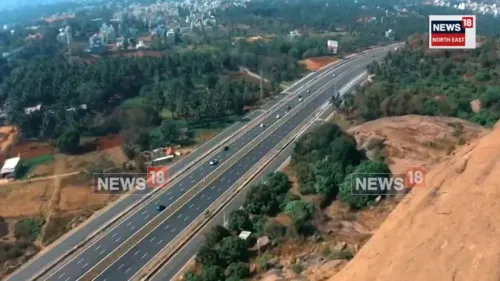
The Brahmaputra has historically divided Assam into two economic zones with limited crossing points, forcing commuters and freight vehicles into lengthy detours. The proposed Gohpur-Numaligarh tunnel is positioned as a direct under-river link that would dramatically reduce the distance travellers must cover between the two banks in this stretch of the river.
The announcement, shared by the CMO Assam handle on 13 June 2026, references a project cost of Rs 18,662 crore and the 85 per cent distance reduction figure. The post directed followers to a detailed report for further reading.
Policy Backdrop
Assam's push for new Brahmaputra crossings has been a consistent policy priority across successive governments, with central funding channelled through programmes such as Bharatmala Pariyojana, the flagship national highway development scheme launched by the Union government. Several connectivity projects in the state have been taken up under this umbrella since 2015.
The most prominent recent milestone in this effort was the Bogibeel Bridge, a combined rail-road crossing inaugurated in 2018, which significantly improved north-south connectivity in eastern Assam. The Gohpur-Numaligarh tunnel, if executed, would represent the next major step in that arc, this time going under the river rather than over it.
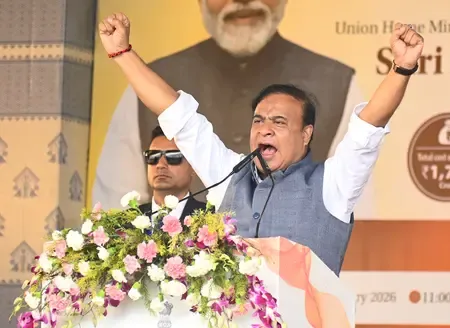
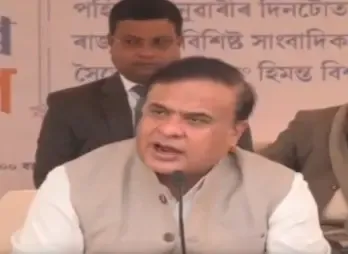
Chief Minister Himanta Biswa Sarma, who has been in office since 2021, has overseen an accelerated pipeline of road and connectivity projects across the state, frequently citing Brahmaputra crossings as a strategic priority for economic integration.
Stakeholders and Impact
The tunnel's most immediate beneficiaries would be daily commuters and traders moving between Biswanath and Golaghat districts, currently dependent on ferries or long road detours. Numaligarh is home to Numaligarh Refinery Limited (NRL), a major oil-sector installation, meaning logistics costs for fuel and petrochemical transport stand to fall significantly if the tunnel becomes operational.
Broader economic zones on both banks — agricultural markets, small businesses, and inter-district supply chains — would benefit from reduced transit times and lower freight costs. Improved connectivity also carries strategic value given the region's proximity to the northeastern frontier.
What's Next
Key milestones ahead include finalisation of tenders, environmental impact assessments, and wildlife clearances for the tunnel alignment, given the ecologically sensitive terrain along the Brahmaputra corridor. Observers will also watch for the project's inclusion in state budget documents and any updates to the cost or timeline estimates as detailed project reports are completed.
If the Rs 18,662 crore project clears regulatory hurdles and proceeds to construction, it would mark one of the largest single infrastructure investments in Assam's history and set a precedent for sub-river tunnelling in the northeast.
Point of View
High-visibility announcement — but raises the stakes considerably with a sub-river tunnel, a format rare in the northeast. The 85 per cent distance reduction claim, if borne out in the detailed project report, would make this one of the most impactful single connectivity interventions in the region's recent history. The real test will be whether environmental and wildlife clearances, which have slowed comparable projects elsewhere in ecologically sensitive Assam, can be navigated on schedule.
NationPress
24 Sept 2026
Frequently Asked Questions
What is the Gohpur-Numaligarh tunnel in Assam?
The Gohpur-Numaligarh tunnel is a proposed under-river tunnel in Assam that will connect Gohpur in Biswanath district on the north bank of the Brahmaputra with Numaligarh in Golaghat district on the south bank, cutting travel distance by 85 per cent.
How much will the Gohpur-Numaligarh tunnel cost?
The project has been reported at an estimated cost of Rs 18,662 crore, making it one of the largest proposed infrastructure investments in Assam's history.
How will the Gohpur-Numaligarh tunnel reduce travel distance?
By providing a direct under-river link between the two banks of the Brahmaputra, the tunnel eliminates the long road detours or ferry crossings currently required, resulting in an 85 per cent reduction in travel distance on this route.
Who benefits from the Gohpur-Numaligarh tunnel project?
Daily commuters, traders, and freight operators between Biswanath and Golaghat districts will benefit directly. Numaligarh Refinery Limited and oil-sector logistics operations stand to gain from lower transport costs.
What is the current status of the Gohpur-Numaligarh tunnel?
As of June 2026, the project has been announced by the CMO Assam. Key next steps include tender finalisation, environmental impact assessments, and wildlife clearances before construction can begin.