Assam CM Himanta Plans Women-Centred Markets Across Districts
Synopsis
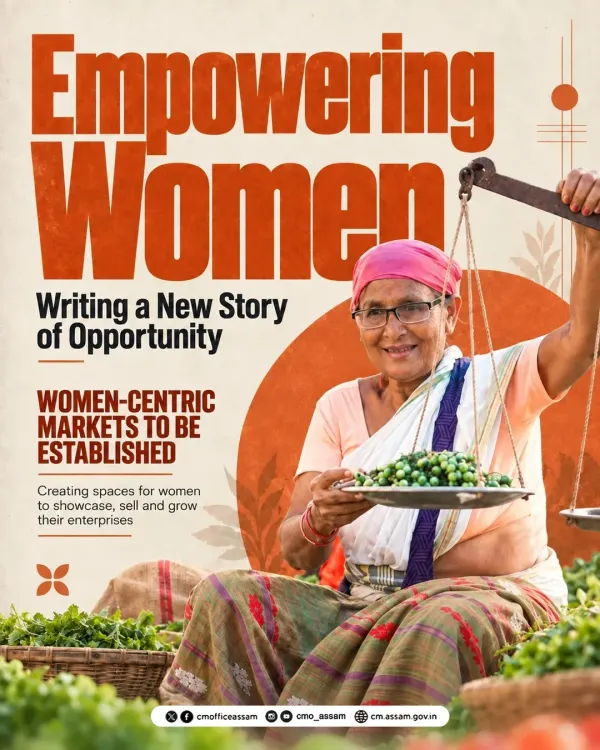
The Chief Minister's Office of Assam announced plans to set up dedicated women-centred markets across all districts under CM Himanta Biswa Sarma, giving women entrepreneurs a formal platform to sell and grow their products — moving beyond cash transfers to structural market access.
Key Takeaways
Women-centred markets will be established across Assam's districts , announced by the CMO on 26 September 2026 .
The initiative is positioned under the leadership of Chief Minister Dr.
Himanta Biswa Sarma , who has governed Assam since May 2021 .
The markets aim to give women a platform to showcase, sell, and grow their products — shifting from demand-side cash transfers to supply-side market infrastructure.
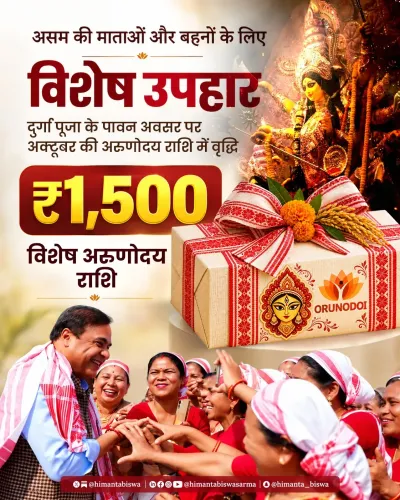
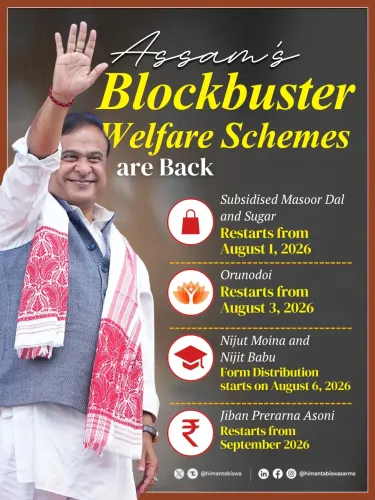
The move builds on Assam's existing Orunodoi scheme (launched 2020-21), which provides monthly financial assistance to eligible women-headed households.
Key details — district rollout timelines, budget allocations , and SHG integration — are yet to be announced.
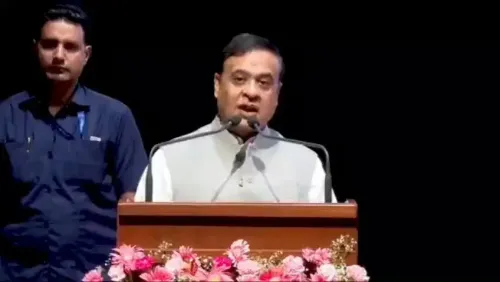
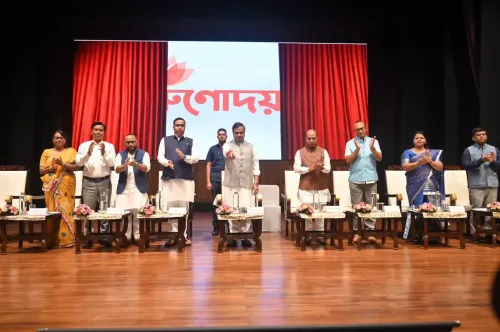
Assam is moving women's economic empowerment from rhetoric to retail — literally. The Chief Minister's Office of Assam announced on Saturday, 26 September 2026, that dedicated women-centred markets will be established across the state's districts, giving women entrepreneurs a direct platform to showcase, sell, and scale their products.
Markets as megaphones for women producers
The announcement frames the initiative as 'connecting women to opportunities and markets' under the leadership of Chief Minister Dr. Himanta Biswa Sarma. The language is deliberate — moving explicitly beyond slogans to structural economic access. Each district is to receive a dedicated market space, meaning rural and semi-urban women producers gain a formalised sales channel, not merely a temporary exhibition stall.
This is a meaningful shift in register. Where many state welfare programmes route money to women, a market infrastructure routes customers to women — a supply-side fix that can sustain itself beyond a single government cycle.
Building on Assam's welfare foundation since 2021
The Himanta Biswa Sarma government, in office since May 2021, has steadily layered economic participation initiatives on top of cash-transfer programmes. Assam's Orunodoi scheme, launched in 2020-21, provided monthly financial assistance directly to eligible women-headed households — a demand-side boost. The new women-centred markets represent the next logical step: building the supply-side architecture that lets women convert that financial foothold into a business presence.
The model also aligns with a broader national pattern. Several Indian states have in recent years piloted district-level market platforms specifically for women producers and self-help group networks, signalling that the idea has cross-party policy traction.
What the district-market rollout must deliver
The announcement is a policy signal, not yet a blueprint. Timelines for district-wise rollout, budget allocations, and integration with existing self-help group (SHG) networks remain to be detailed — likely in upcoming state budget or policy announcements. Those specifics will determine whether the initiative reaches deep into Assam's rural belt or remains concentrated in larger towns. Watch also for whether the markets link digitally, giving Assam's women sellers access to buyers beyond their own districts.
Empowerment, as the Chief Minister's Office pointedly notes, is about more than slogans. The test is in the stall count — and who is standing behind them.
Point of View
Positioning CM Himanta Biswa Sarma's administration as results-driven ahead of the next electoral cycle. Whether this translates into lasting impact hinges on the district-level execution and whether the new markets are genuinely integrated with existing SHG networks rather than becoming parallel, underfunded structures. India's broader experience with women's market platforms suggests success is deeply tied to logistical last-mile support — a test Assam now has to pass.
NationPress
26 Sept 2026
Frequently Asked Questions
What are the women-centred markets announced by Assam government?
The Assam government plans to set up dedicated market spaces across all districts of the state where women can showcase, sell, and grow their products, giving them a formalised economic platform.
Who announced the women-centred markets in Assam?
The Chief Minister's Office of Assam announced the initiative on 26 September 2026, attributing it to the leadership of Chief Minister Dr. Himanta Biswa Sarma.
How does this relate to Assam's Orunodoi scheme?
The Orunodoi scheme, launched in 2020-21, provides monthly cash assistance to eligible women households in Assam. The new women-centred markets build on that foundation by adding a supply-side platform for women to earn through their own products.
When will the women-centred markets in Assam be operational?
The exact rollout timeline and budget allocations have not been announced yet; details are expected in upcoming state budget or policy announcements.
Which districts in Assam will get women-centred markets?
The announcement states markets will be set up 'across districts' of Assam, but district-specific details and a phased schedule have not yet been made public.