How does Assam's TAI view the Union Budget focusing on agriculture and tea workers’ welfare?
Synopsis
The Tea Association of India has praised the Union Budget 2026-27 for its focus on agriculture and the welfare of tea workers, calling it a step towards a prosperous Viksit Bharat. With significant initiatives like Bharat-VISTAAR and the extension of PMCSPY, the budget aims to uplift key sectors and empower the youth.
Key Takeaways
Union Budget 2026-27 emphasizes agriculture and youth empowerment.
Bharat-VISTAAR launched for tailored agricultural advice.
Extension of PMCSPY supports tea workers’ welfare.
Rs 10,000 crore MSME Growth Fund announced for business support.
Focus on social security for plantation workers in Assam.
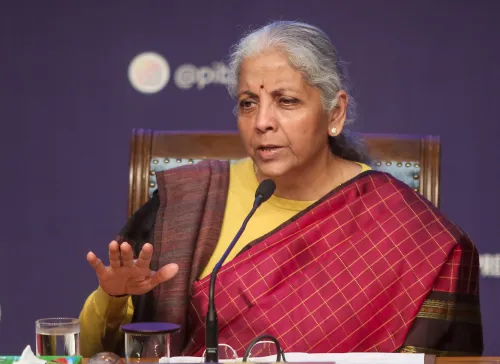
Guwahati, Feb 1 (NationPress) The Tea Association of India (TAI) has expressed its approval for the Union Budget 2026-27, presented by Union Finance Minister Nirmala Sitharaman in Parliament, labeling it as a progressive budget with a clear vision for Viksit Bharat and sustainable structural growth.
According to TAI Secretary General P.K. Bhattacharjee, the budget strongly emphasizes the empowerment of “Yuva Shakti” (youth power) and reinforces crucial sectors like agriculture, MSMEs, infrastructure, tourism, and energy security.
Focusing on agriculture, Bhattacharjee highlighted the budget's comprehensive strategy aimed at boosting farmers’ incomes through technology integration, efficient resource management, and crop diversification.
He notably praised the introduction of “Bharat-VISTAAR”, a multilingual, AI-driven agricultural advisory platform that combines AgriStack and ICAR agricultural practices.
This platform is designed to offer tailored, region-specific advice, enhance farm productivity, facilitate data-driven decisions, and mitigate risks stemming from climate variability and crop failures.
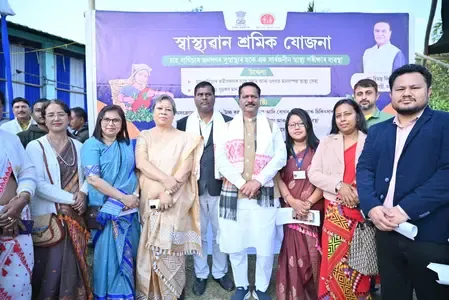
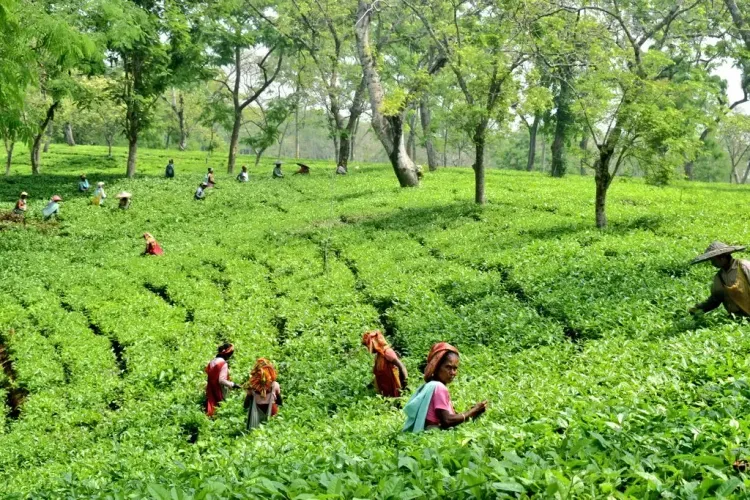
The tea sector expressed its gratitude to the Union Finance Minister for the extension of the Pradhan Mantri Cha Shramik Protsahan Yojana (PMCSPY) for another year, now covering FY 2026-27.
Initially launched for FY 2024-25 and 2025–26 with a budget of Rs 1,000 crore, this scheme targets the welfare of tea workers—especially women and their children—in Assam and West Bengal.
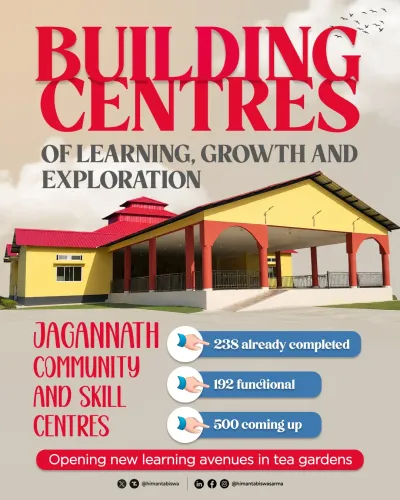
Bhattacharjee stated that this extension will support ongoing need-based initiatives in tea garden regions, particularly in enhancing education and healthcare services. The apex tea organization also acknowledged the budget's provisions for the social security of plantation workers in Assam, included in the Demand for Grants.
This provision encompasses family pension-cum-life insurance benefits via the Deposit Linked Insurance Scheme for tea plantation workers covered under the Assam Tea Plantation Provident Fund and Family Pension and Employees Deposit Linked Insurance Act.
He noted that the central government’s contributions and reimbursement of administrative expenses will ensure financial security and protection for plantation workers and their families.
Welcoming the budget's focus on MSMEs and start-ups, Bhattacharjee remarked that the announcement of a Rs 10,000 crore MSME Growth Fund will deliver essential equity support and facilitate the emergence of scalable firms as “Champion MSMEs.”
He further commended initiatives such as mandatory TReDS for CPSE payments to MSMEs, a credit guarantee framework for invoice discounting, and the “Corporate Mitras” initiative designed to assist MSMEs with compliance and regulatory challenges, especially in Tier-II and Tier-III towns.
Bhattacharjee also indicated that the budget's backing for tourism, infrastructure advancements, and long-term energy security will contribute to sustained economic stability and inclusive growth.
In summary, the Tea Association of India regards the Union Budget 2026-27 as a balanced and forward-looking policy that bolsters industry, safeguards workers’ welfare, and fortifies India’s growth trajectory.
Point of View
I believe that the Union Budget 2026-27 reflects a thoughtful approach to economic growth and social welfare. The focus on agriculture and the tea sector is crucial for sustaining livelihoods in Assam and West Bengal. The initiatives announced are promising, and they align with the national goals of inclusive development and empowerment.
NationPress
20 Sept 2026
Frequently Asked Questions
What is Bharat-VISTAAR?
Bharat-VISTAAR is a multilingual, AI-driven agricultural advisory platform designed to provide customized, region-specific agricultural advice to improve productivity and reduce risks.
What is the Pradhan Mantri Cha Shramik Protsahan Yojana?
The PMCSPY is a government scheme focused on the welfare of tea workers, particularly women and children, aimed at enhancing their living standards and providing essential services.
How will the MSME Growth Fund help businesses?
The Rs 10,000 crore MSME Growth Fund will offer critical equity support to scalable businesses, enabling them to grow and succeed in a competitive environment.