CM Himanta presents Assam's 11th NDA budget, unveils semiconductor plan
Synopsis
Assam Chief Minister Himanta Biswa Sarma on 10 July 2026 presented the state's 11th NDA budget, announcing a semiconductor ecosystem (A-SEMI), an Aerotropolis, sub-centre doctor postings, 2 lakh jobs, paternity leave for state employees, a Bihu UNESCO bid, and ₹6,000 crore in welfare spending — all within a revenue-neutral, fiscally disciplined framework.
Key Takeaways
11th consecutive NDA budget for Assam presented on 10 July 2026 by Finance Minister Jayanta Malla Baruah , described as revenue-neutral and fiscally disciplined. ₹6,000 crore allocated exclusively for welfare policies; anyone involved in polygamy declared ineligible for government benefits.
A-SEMI semiconductor ecosystem announced to attract companies, develop talent and integrate local MSMEs into the semiconductor value chain.
Assam to become the first state in India to post doctors at the sub-centre level; paternity leave extended to state government employees.
Government commits to pursuing UNESCO Intangible Cultural Heritage status for Bihu and building a dedicated Aerotropolis for urban and economic growth.
Since 2015-16 , Assam's capital expenditure has grown by 900% and budget utilisation has improved from 58% to 85% , per official figures cited by the Chief Minister.
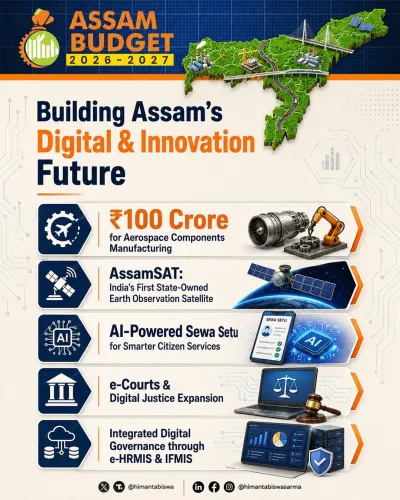
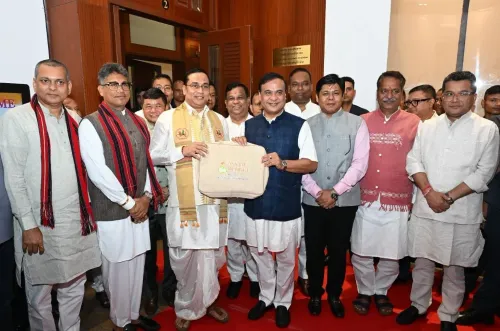
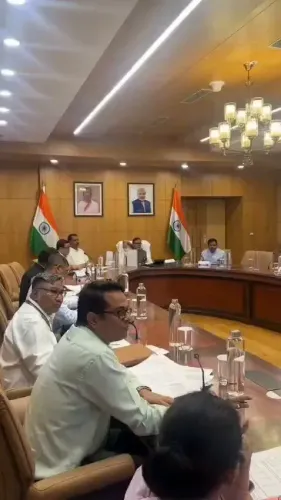
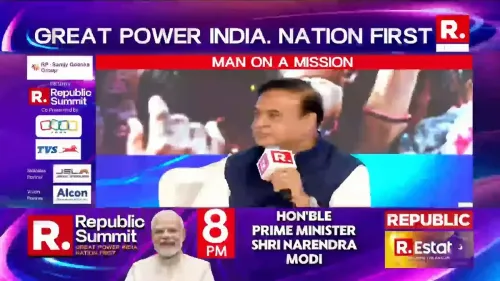
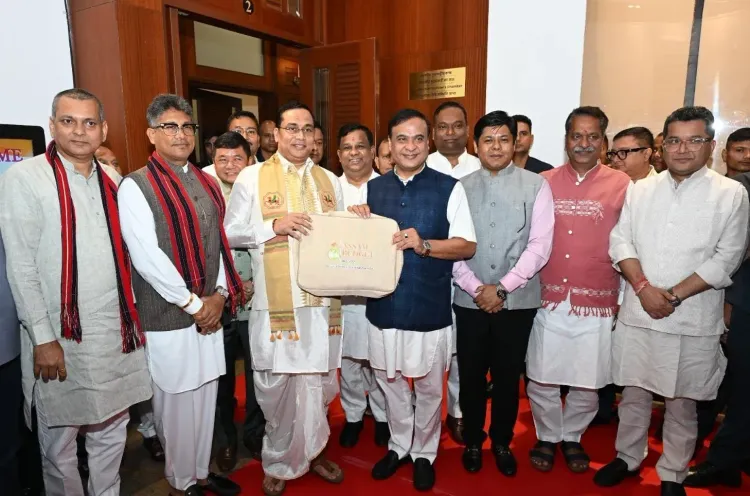
Assam Chief Minister Himanta Biswa Sarma on Friday, 10 July 2026 announced the presentation of the 11th consecutive NDA budget for the state, describing it as a revenue-neutral, fiscally disciplined plan anchored in the vision of a 'Surakshit, Samriddh and Viksit Assam.' The budget, presented by Finance Minister Jayanta Malla Baruah, outlines 18 flagship initiatives and 29 focus areas spanning semiconductors, healthcare, green energy, urban development and cultural heritage.
Context
Sarma credited the budget's ambition to the 'historic mandate' given by Assam's voters and to the national leadership of Prime Minister Narendra Modi. The Chief Minister stated that the budget 'places no undue burden on citizens while remaining firmly anchored in fiscal discipline' — a framing that positions the exercise as growth-oriented without fresh taxation. The state government says it will adopt a 'whole-of-government approach' to ensure 100% implementation of every announcement made.
Sarma highlighted a decade of fiscal progress: since 2015-16, Assam's budget size, per capita income and own tax revenue have grown by 300%, capital expenditure has risen by 900%, and budget utilisation has improved from 58% to 85%. These figures form the baseline against which the current budget's ambitions are measured.
Policy Backdrop
Among the headline announcements is A-SEMI, described as a 'comprehensive semiconductor ecosystem' designed to develop local talent, attract companies and create a pathway for MSMEs to participate in the semiconductor value chain. The initiative aligns with India's national Semiconductor Mission, launched in 2021, which has sought to encourage state-level ecosystems alongside central fabrication incentives.
The budget allocates ₹6,000 crore exclusively for welfare policies while simultaneously introducing a conditional eligibility clause: anyone involved in polygamy will be ineligible for government benefits. The state also proposes to become the first in India to post doctors at the sub-centre level — the most peripheral tier of the public health system — a move that, if executed, would mark a structural shift in rural healthcare delivery.
On culture, the government has committed to working toward getting Bihu — Assam's iconic harvest festival — enlisted as a UNESCO Intangible Cultural Heritage. Several Indian states have pursued similar UNESCO inscriptions for regional traditions since the early 2010s, making Assam's bid part of a broader national pattern of cultural diplomacy.
Stakeholders and Impact
State government employees stand to gain from a new paternity leave entitlement announced in the budget — a benefit that has been available in the central government for years but is now being extended at the state level in Assam. The budget also promises to create 2 lakh employment opportunities and develop satellite cities to manage planned urban growth.
A dedicated Aerotropolis — an airport-anchored urban economic zone — is proposed to drive industrial and commercial expansion. Investments in power, connectivity, education and industry are described as the foundational pillars, with sectors such as proton therapy and Assamese cuisine promotion also named among the 29 focus areas. MSMEs, healthcare workers, and rural communities are among the primary beneficiaries identified in the announcement.
What's Next
The immediate watch points are the rollout timelines for A-SEMI and the Aerotropolis, both of which will require land acquisition, private investment and regulatory clearances. The formal nomination file for Bihu's UNESCO listing will need to be submitted through the central government's cultural affairs machinery, a process that typically spans multiple years.
Implementation of sub-centre doctor postings and the new paternity-leave rules within the 2026-27 fiscal year will be closely watched as early indicators of the government's execution capacity. Sarma's explicit commitment to 100% budget implementation sets a high bar — and a clear metric — against which the administration's performance will be judged in the months ahead.
Point of View
Proton therapy and an Aerotropolis signals an attempt to leapfrog the state's traditional agrarian image and compete with more industrialised peers — a template increasingly common among BJP-governed states seeking to align with the national 'Viksit Bharat' narrative. The conditional welfare clause targeting polygamy is politically loaded, consistent with a pattern of linking social benefits to demographic and cultural policy objectives seen across several NDA-ruled states. The 900% rise in capital expenditure since 2015-16, if verified through official accounts, would represent one of the sharpest fiscal turnarounds in any northeastern state and will likely be deployed as a BJP electoral data point. Execution risk remains the central variable: ambitious first-of-their-kind initiatives such as sub-centre doctor postings and A-SEMI have no precedent in the state, making the 100% implementation pledge a significant political commitment.
NationPress
9 Oct 2026
Frequently Asked Questions
What are the key highlights of the Assam budget 2026?
The Assam budget 2026 includes 18 flagship initiatives and 29 focus areas: ₹6,000 crore for welfare, a semiconductor ecosystem called A-SEMI, an Aerotropolis, sub-centre doctor postings, 2 lakh employment opportunities, paternity leave for state employees, a UNESCO bid for Bihu, and investments in power, education and green energy.
What is A-SEMI in the Assam budget?
A-SEMI is a proposed comprehensive semiconductor ecosystem announced in the Assam budget 2026, aimed at developing local talent, attracting semiconductor companies, and enabling Assam's MSMEs to participate in the semiconductor value chain.
Is Bihu being nominated for UNESCO heritage status?
Yes. The Assam government announced in the 2026 budget that it will work toward getting Bihu enlisted as a UNESCO Intangible Cultural Heritage. The formal nomination must be routed through the central government and typically takes several years.
What is the polygamy rule in the Assam budget 2026?
The Assam budget 2026 states that anyone involved in polygamy will not be eligible for government benefits. This is a new eligibility condition attached to state welfare schemes.
How has Assam's budget grown since 2015-16?
According to Chief Minister Himanta Biswa Sarma, since 2015-16 Assam's budget size, per capita income and own tax revenue have grown by 300%, capital expenditure by 900%, and budget utilisation has risen from 58% to 85%.