Assam rediscovers 204-year-lost plant, finds 2 new subterranean fish species
Synopsis
Assam just rewrote its natural history record twice over: a shrub species gone missing from scientific records for 204 years has been rediscovered, while two fish species entirely new to science were found living underground in wells in Goalpara — a reminder that one of India's richest biodiversity frontiers is still giving up its secrets.
Key Takeaways
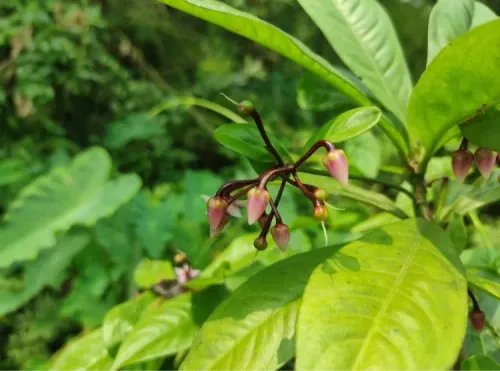
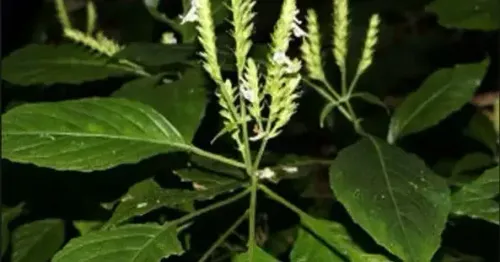
Ardisia colorata , a shrub species unrecorded for 204 years , has been rediscovered in Assam .
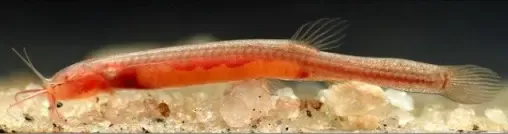
Two subterranean fish species new to science — Gitchak nakana and Rakthamichthys anchi — were identified in wells in Goalpara district .
Chief Minister Himanta Biswa Sarma announced the findings on 22 October 2026 via a post on platform X.
Sarma linked the findings to the state government's commitment to habitat conservation and environmental governance.
Precise locations of the botanical rediscovery, researcher details, and conservation status of the species were not immediately available.
Assam has made a landmark contribution to India's biodiversity record with the rediscovery of Ardisia colorata — a shrub species unseen by science for more than 204 years — and the identification of two previously unknown subterranean fish species found living in wells in Goalpara district, Chief Minister Himanta Biswa Sarma announced on Thursday, 22 October 2026. The findings collectively mark one of the state's most significant recent natural history events.
The Botanical Rediscovery
The reappearance of Ardisia colorata — a shrub that had remained entirely undocumented since the early 19th century — is being hailed as a rare event in Indian botanical science. Such rediscoveries carry considerable scientific weight: they prompt researchers to reassess a species' geographic distribution, conservation status, and ecological requirements, particularly when it had been presumed absent or potentially lost from its known habitat range. Further details on the precise location of the find and the researchers involved were not immediately available.
This comes amid growing global recognition that many species declared 'lost' may still persist in under-surveyed habitats, especially in biodiversity hotspots like Northeast India.
Two New Fish Species from Goalpara's Wells
Equally striking is the identification of Gitchak nakana and Rakthamichthys anchi — two fish species new to science, found in subterranean habitats, specifically wells in Goalpara district. Subterranean fish are adapted to environments with limited or no light, and such conditions often produce distinctive physical traits and behavioural adaptations not seen in surface-dwelling relatives.
Underground aquatic ecosystems remain among the world's least-surveyed habitats. Their fish populations can serve as ecological indicators of the health of groundwater systems, and their discovery in well habitats in Assam underscores the extent to which the state's biodiversity remains undercharted.
What the Chief Minister Said
Sarma shared the news in a post on social media platform X, describing the findings in pointed terms: 'Lost for 204 years. Rediscovered in Assam. And below ground, two species new to science.' He stressed the ecological wealth held within Assam's forests and water bodies and called for stronger habitat protection. 'Protect the home, and the species come back,' he said, reaffirming the state government's commitment to environmental governance and conservation.
Sarma also underlined the need to preserve biodiversity for future generations, noting that the discoveries were an argument for sustained and systematic scientific surveying of Assam's lesser-explored ecosystems.
Why These Findings Matter
Assam sits at the edge of two of the world's most biodiverse zones — the Eastern Himalayan and Indo-Burma biodiversity hotspots — making it a globally significant landscape for undiscovered and rediscovered species. Notably, subterranean fauna in South Asia have historically received far less scientific attention than riverine or wetland species. The Goalpara finds could open a new line of inquiry into groundwater biodiversity across the Brahmaputra basin.
The findings are expected to draw further scientific expeditions to Assam's under-explored habitats, with conservation groups likely to push for formal protection of the specific ecosystems where the species were identified.
Point of View
And two fish species can exist undocumented beneath populated ground, points to a systemic gap in funded fieldwork, not a shortage of species. Assam's government deserves credit for amplifying the findings, but the harder follow-through — formalising habitat protection for Goalpara's well ecosystems and funding long-term botanical surveys — will be the real measure of commitment. Northeast India's biodiversity is globally significant; treating these discoveries as a press moment rather than a policy trigger would be a missed opportunity.
NationPress
22 Oct 2026
Frequently Asked Questions
What plant species was rediscovered in Assam after 204 years?
The species is Ardisia colorata , a shrub that had not been scientifically documented for more than two centuries. Its rediscovery in Assam allows researchers to reassess its distribution, conservation status, and ecological requirements.
What are the two new fish species found in Assam?
The two species are Gitchak nakana and Rakthamichthys anchi , both found in subterranean habitats — specifically wells in Goalpara district . They are described as new to science, adapted to underground environments with limited light.
Who announced these biodiversity discoveries?
Assam Chief Minister Himanta Biswa Sarma announced the findings on 22 October 2026 in a post on social media platform X, calling them evidence of Assam's ecological wealth and linking them to the state's conservation commitments.
Why are subterranean fish discoveries scientifically significant?
Subterranean fish live in underground water systems that are rarely surveyed, and their presence offers insights into groundwater biodiversity, evolutionary adaptation, and the ecological health of underground aquatic habitats. Finds like these in Goalpara highlight how much of South Asia's underground fauna remains undocumented.
What happens next following these discoveries?
The findings are expected to generate further scientific interest in Assam's lesser-explored habitats. Conservationists and researchers are likely to call for formal protection of the specific ecosystems involved, though detailed researcher information and conservation status assessments were not immediately available.