Shivraj Urges Farmers: Manage Stubble, Don't Burn It
Synopsis
Union Agriculture Minister Shivraj Singh Chouhan has appealed to farmers not to burn paddy stubble and to manage crop residue instead, as the October–November stubble-burning season peaks in Punjab, Haryana and western Uttar Pradesh, worsening air quality across northern India.
Key Takeaways
Shivraj Singh Chouhan posted a direct appeal to farmers on October 22, 2026 urging stubble management over burning.
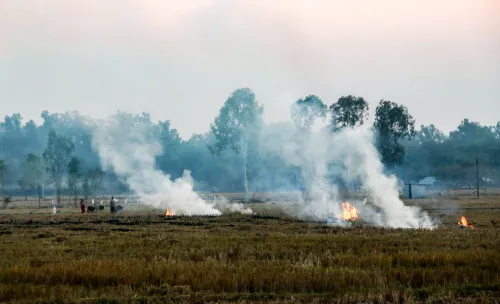
Stubble burning peaks in October–November after paddy harvest in Punjab, Haryana and western Uttar Pradesh .
The Union Government launched the Crop Residue Management scheme in 2018 to subsidise machinery for farmers.
Satellite monitoring of fire incidents in the coming weeks will indicate whether compliance has improved.
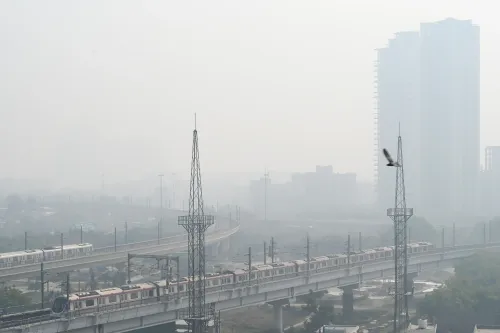
Delhi-NCR residents are among the most directly affected by the seasonal air-quality deterioration caused by stubble fires.
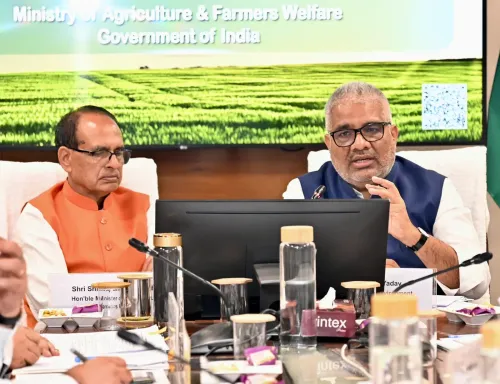
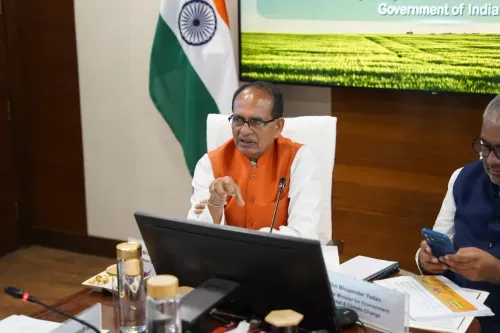
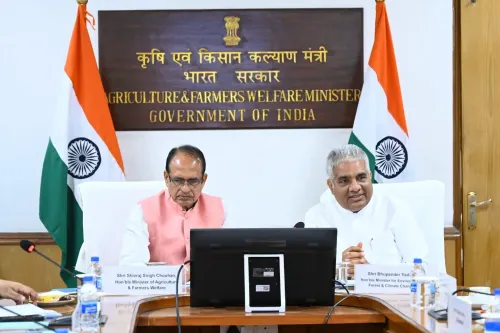
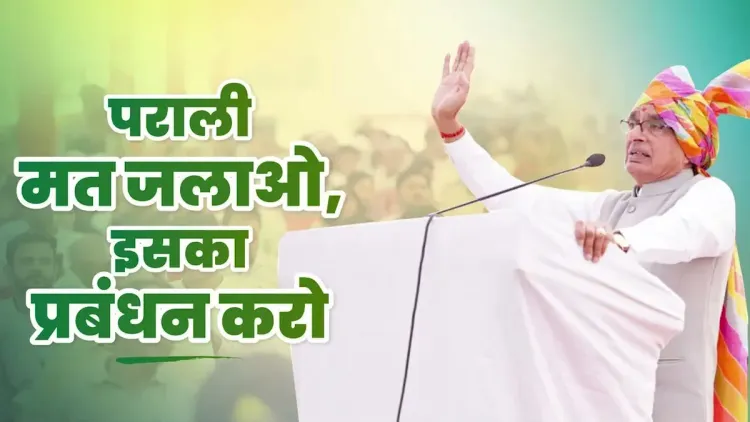
As paddy harvests wrap up across Punjab, Haryana and western Uttar Pradesh, Union Agriculture Minister Shivraj Singh Chouhan has renewed his appeal to farmers to stop burning crop residue — and to manage it instead. The minister posted the message on X on Thursday, October 22, 2026, addressing the stubble-burning season head-on.
In Hindi, Chouhan wrote: 'किसान भाइयों और बहनों से मेरी प्रार्थना है कि पराली मत जलाइए, पराली का प्रबंधन कीजिए' — 'My prayer to farmer brothers and sisters: do not burn stubble; manage it.' The word 'prayer' (prarthana) is deliberate — a minister appealing rather than ordering, aware that enforcement alone has never solved this problem.
Why October Is the Flashpoint
Every year, the window between paddy harvest and the next sowing cycle narrows to just a few weeks. Burning is fast and cheap; mechanical management takes time, equipment and money. The result is a predictable spike in fire incidents each October–November, when satellite monitors light up with thousands of active blazes across the two states and their neighbours — and Delhi-NCR's air turns dangerous.
The pattern is as old as the Green Revolution's paddy expansion in the northwest. What has changed is the scale of government response trying to break it.
The Machinery Push Since 2018
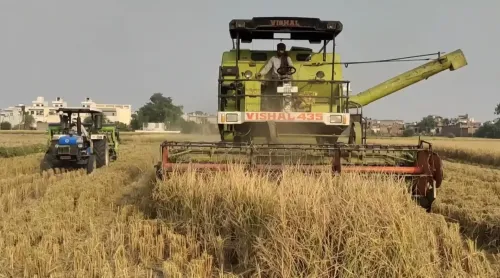
The Union Government launched the Crop Residue Management (CRM) scheme in 2018, providing financial assistance to farmers and custom-hiring centres for machinery — happy seeders, rotavators, baler-rakes — that can either incorporate stubble into soil or bundle it for commercial use. The scheme has distributed tens of thousands of machines across Punjab, Haryana and Uttar Pradesh.
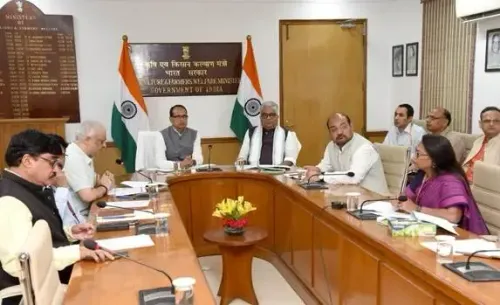
Chouhan, as the minister overseeing both agriculture and rural development, sits at the centre of that effort. His post lands exactly as the CRM machinery is supposed to be active on the ground — a reminder that the tools exist, even if adoption is uneven.
The Harder Truth About Compliance
Awareness campaigns, subsidies and state-level enforcement have all been tried in combination. Yet stubble fires persist at scale. The gap between policy intent and field reality comes down to economics: small and marginal farmers with fragmented holdings often find burning the only option they can afford in time. Satellite data in the coming weeks will show whether 2026 follows the same curve or whether machine penetration has finally bent it.
A minister's appeal will not by itself stop a single fire. But it signals the centre is watching — and that ahead of winter, the political pressure on state governments to act is back on.
Point of View
Particularly in Punjab and Haryana, that stubble fires register at the national level. The framing as a 'prayer' rather than a directive reflects the limits of central authority over a state subject, but it also keeps the moral and administrative onus visible. The persistence of the problem despite eight years of the CRM scheme raises a harder question: whether the bottleneck is awareness, affordability, or the pace of machinery penetration among small landholders — and which of those levers the ministry intends to pull next.
NationPress
22 Oct 2026
Frequently Asked Questions
Why do farmers burn stubble after paddy harvest?
Farmers burn paddy stubble because it is the fastest and cheapest way to clear fields before the next sowing cycle. The narrow window between paddy harvest and wheat sowing in October–November leaves little time, and mechanical management requires equipment many small farmers cannot afford or access quickly.
What is the Crop Residue Management scheme?
The Crop Residue Management (CRM) scheme was launched by the Union Government in 2018 to provide financial assistance to farmers and custom-hiring centres for machinery — such as happy seeders and rotavators — that can incorporate or bundle stubble instead of burning it.
What did Shivraj Singh Chouhan say about parali burning?
On October 22, 2026, Chouhan posted on X appealing to farmer brothers and sisters: 'Do not burn stubble; manage it.' He framed the request as a personal prayer, reflecting the limits of central enforcement over a practice that is technically a state-level matter.
Which states are worst affected by stubble burning?
Punjab and Haryana account for the largest number of stubble-burning incidents, with western Uttar Pradesh also contributing significantly. The smoke from these fires is a major seasonal driver of poor air quality in Delhi-NCR every October and November.
How is stubble burning tracked in India?
Satellite-based remote sensing is used to monitor active fire counts in agricultural zones. Data from these systems in the weeks following the paddy harvest provides the clearest picture of whether ground-level compliance with no-burning appeals has improved year on year.