Yadav, Chouhan hold stubble-burning talks at Krishi Bhawan
Synopsis
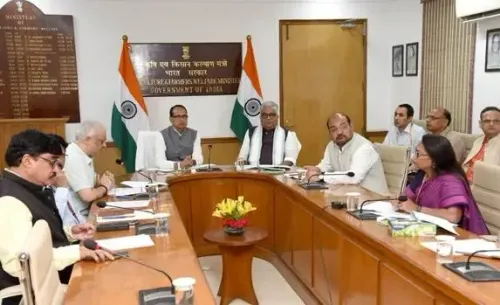
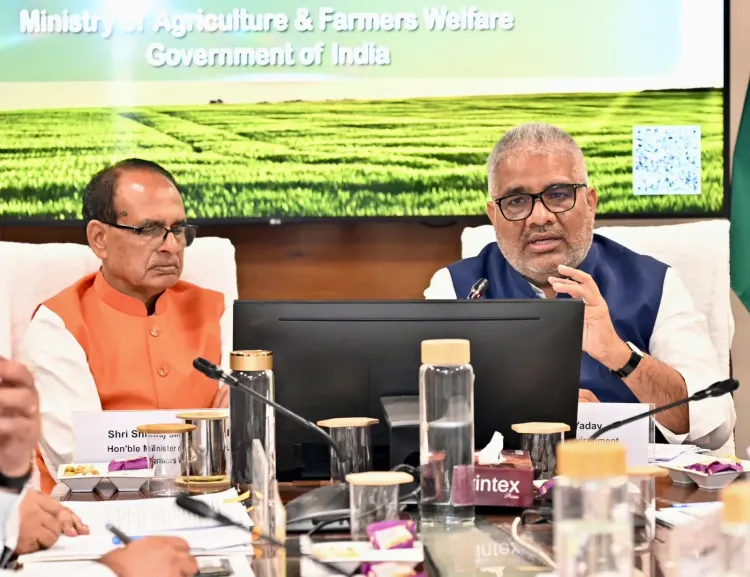
Union Environment Minister Bhupender Yadav joined Agriculture Minister Shivraj Singh Chouhan and state agriculture ministers at Krishi Bhawan on 13 October 2026 to strategise on replacing paddy stubble burning with sustainable, income-positive alternatives — a critical annual push before northern India's winter smog season peaks.
Key Takeaways
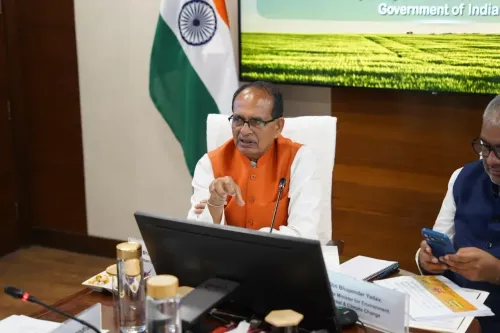
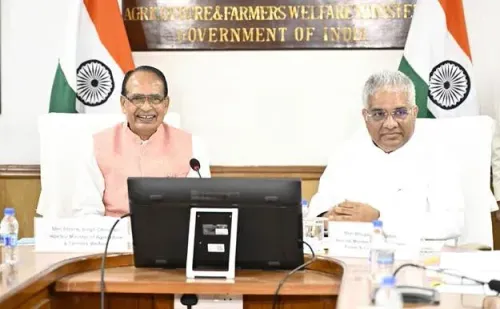
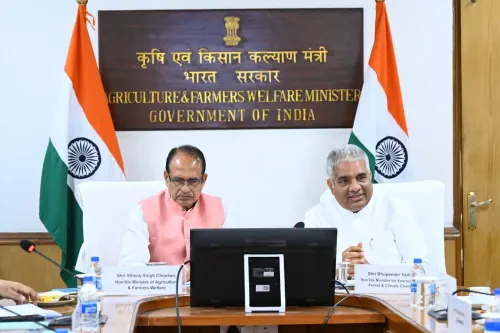
Bhupender Yadav and Shivraj Singh Chouhan held a joint meeting with state agriculture ministers and senior officials at Krishi Bhawan, New Delhi on 13 October 2026 .
The meeting focused on paddy stubble management, covering machinery availability, effective use, and farmer awareness campaigns.
The government's stated goals are to reduce stubble-burning incidents, boost farmer incomes through alternative straw use, and protect air quality.
Since 2018 , the Centre has run a Rs 1,151 crore in-situ crop residue management scheme providing subsidised machinery in Punjab, Haryana, and Uttar Pradesh .
The meeting falls under the broader framework of the National Clean Air Programme and Commission for Air Quality Management mandates.
Satellite fire counts and NCR air-quality data over the coming weeks will be the key indicator of whether this coordination produces on-ground impact.
With winter smog season bearing down on the Indo-Gangetic plain, Union Environment Minister Bhupender Yadav sat down with Union Agriculture Minister Shivraj Singh Chouhan and state-level agriculture ministers and senior officials at Krishi Bhawan, New Delhi, on Tuesday, 13 October 2026, for a focused discussion on paddy-straw management — the annual flashpoint between farm economics and northern India's air quality.
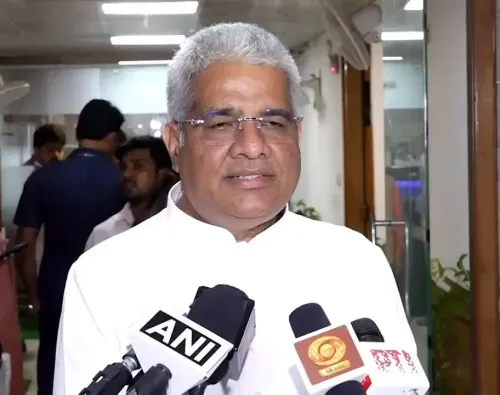
Yadav described the exchange as 'meaningful', posting that the meeting centred on providing farmers with 'better and sustainable alternatives to stubble burning' so that their incomes rise even as soil quality is preserved. He emphasised three specific levers: availability of crop-residue management machinery, its effective utilisation, and public awareness campaigns.
Why October meetings matter for Delhi's winter air
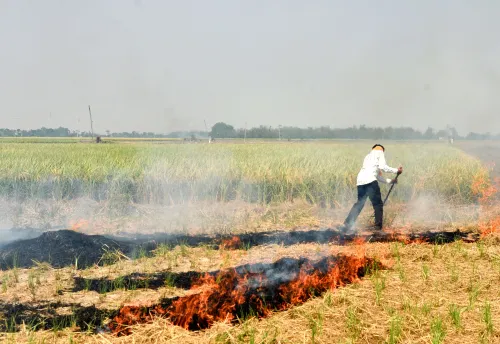
Every October and November, satellite sensors light up with fire counts across Punjab, Haryana, and Uttar Pradesh as farmers clear paddy fields before the wheat-sowing window slams shut. The smoke travels straight into the Delhi-NCR airshed, pushing particulate readings into the 'severe' category for weeks at a stretch. The timing of this central-state coordination meeting — mid-October, right as harvest peaks — is deliberate.
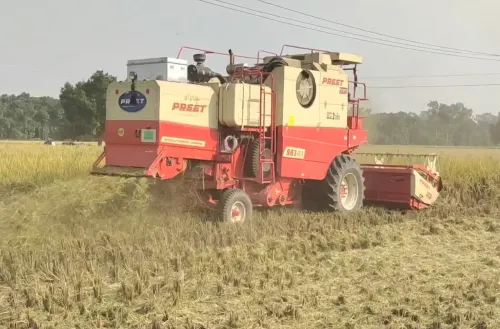
The government's toolkit has been evolving since 2018, when the Centre launched a Rs 1,151 crore in-situ crop residue management scheme that subsidised machinery such as happy seeders and super straw management systems across the three key states. The logic: if turning straw into an asset — through mulching, bio-energy, or decomposer treatment — is cheaper and easier than burning it, farmers will stop burning it.
The twin goals Yadav spelled out
Yadav framed the ministry's objective in three clear terms: reduce the number of stubble-burning incidents, give farmers profitable alternatives, and keep the environment 'clean and safe.' That framing deliberately knits together the mandates of two ministries — Environment, Forest and Climate Change and Agriculture and Farmers Welfare — under a single headline, signalling that neither ministry is treating stubble burning as solely the other's problem.
Chouhan's Agriculture Ministry controls the machinery subsidy pipeline and custom-hiring centre network that actually puts happy seeders and straw-management equipment in farmers' hands. Yadav's ministry owns the air-quality accountability — it reports to the Commission for Air Quality Management and anchors India's commitments under the National Clean Air Programme. Their joint presence in the same room, with state ministers, is the coordination architecture that makes enforcement possible.
What satellite counts and hiring-centre deployments will reveal next
The proof of whether Tuesday's meeting translates into on-ground change will show up in two datasets: state-level procurement and deployment of subsidised machinery from custom-hiring centres ahead of the 2026–27 paddy harvest, and the satellite-based fire counts and NCR air-quality readings through November. Those numbers will answer the harder question — whether inter-ministerial coordination at Krishi Bhawan is closing the gap between policy ambition and the stubble fires visible from space.
The kicker: India has the machinery, the subsidies, and now the ministerial alignment — the next thirty days will show whether that combination finally bends the fire-count curve downward.
Point of View
The BJP government is signalling that air-quality accountability now sits with both ministries, not just Environment. The real political test is whether the machinery subsidy and custom-hiring pipeline — seeded with Rs 1,151 crore since 2018 — has matured enough to actually displace burning at scale, or whether another winter of severe smog will renew pressure for punitive rather than incentive-based approaches.
NationPress
13 Oct 2026
Frequently Asked Questions
What is parali or stubble burning and why is it a problem in India?
Parali refers to the paddy straw left in fields after harvest. Farmers in Punjab, Haryana and Uttar Pradesh burn it quickly to clear fields for wheat sowing, releasing large amounts of particulate matter that causes severe air pollution across the Delhi-NCR region every October-November.
What did Bhupender Yadav and Shivraj Singh Chouhan discuss on 13 October 2026?
The two Union ministers met state agriculture ministers and senior officials at Krishi Bhawan to discuss sustainable alternatives to stubble burning, focusing on machinery availability, its effective use, and farmer awareness — aiming to reduce fire incidents while boosting farmer incomes.
What government scheme helps farmers manage crop residue instead of burning it?
Since 2018, the central government has run a Rs 1,151 crore in-situ crop residue management scheme that subsidises machinery such as happy seeders and super straw management systems in Punjab, Haryana and Uttar Pradesh to help farmers manage straw without burning.
What is the Commission for Air Quality Management?
The Commission for Air Quality Management is a statutory body that oversees air pollution control in the Delhi-NCR and adjoining areas, including monitoring and directing action on stubble burning in neighbouring states.
How will we know if the 2026 stubble-burning measures are working?
Satellite-based fire-count data over Punjab, Haryana and Uttar Pradesh, combined with daily air-quality index readings for Delhi-NCR through November 2026, will provide the clearest evidence of whether this year's coordination and machinery deployment have reduced burning incidents.