Assam's Nijut Babu Moina scheme reaches 5.42 lakh students: CM Sarma
Synopsis
Assam Chief Minister Himanta Biswa Sarma has revealed that the Nijut Babu Moina scheme now supports 5.42 lakh students — a scale that signals serious state investment in combating dropout rates and early marriage. With a male-student component added to the original girl-focused Nijut Moina scheme, Assam is broadening its education safety net in a region where access and retention remain persistent challenges.
Key Takeaways
Assam CM Himanta Biswa Sarma announced on 19 October 2026 that the Nijut Babu Moina scheme supports 5.42 lakh students .
The scheme builds on the earlier Nijut Moina initiative, which offers monthly financial aid to girl students at higher secondary, undergraduate, and postgraduate levels.
The Nijut Babu Moina component extends financial support to male students, widening the programme's reach.
Key goals include reducing school and college dropout rates among girls and discouraging early marriage.
CM Sarma shared the beneficiary figure in a post on X , framing it as evidence of the government's commitment to women's empowerment.
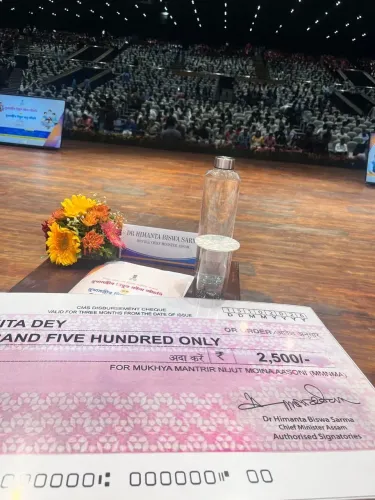
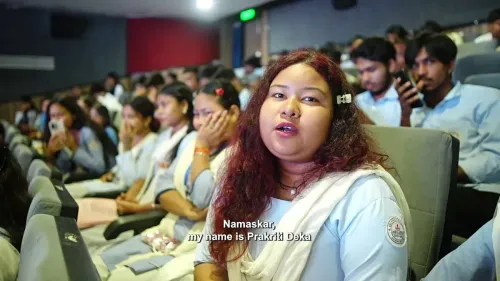
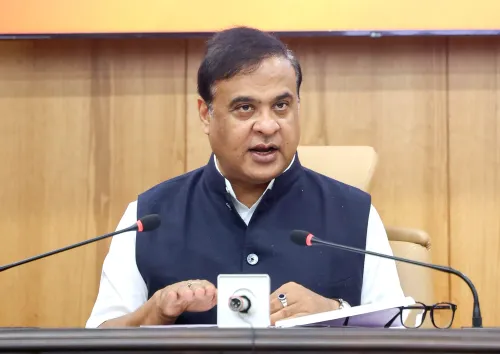
Assam Chief Minister Himanta Biswa Sarma on Monday, 19 October 2026, announced that the state government's Nijut Babu Moina scheme is currently supporting 5.42 lakh students, underscoring the government's stated commitment to empowering young women through education and fostering financial independence among Assam's youth.
What CM Sarma Said
Chief Minister Sarma shared the update in a post on X, framing the scheme as a transformative initiative for the state's daughters. 'Honouring the Shakti in every girl, we are empowering Assam's daughters to shape their own futures. Through #NijutBabuMoina, we are supporting 5.42 lakh students as they move towards independence and bigger dreams,' he wrote.
What the Scheme Covers
The Nijut Babu Moina initiative builds upon the earlier Nijut Moina scheme, which was introduced to provide monthly financial assistance to girl students at the higher secondary, undergraduate, and postgraduate levels. Disbursements are made subject to prescribed eligibility conditions and are intended to help students meet education-related expenses, reducing the financial burden on their families.
Notably, the Nijut Babu Moina component extends the scheme's reach to include male students, while the original Nijut Moina scheme continues to focus exclusively on girl students. Together, the two tracks reflect the state government's broader ambition to improve enrolment and retention across educational institutions.
Why It Matters
The initiative is positioned as a direct intervention against two persistent social challenges in Assam: high dropout rates among girl students and the prevalence of early marriage. By making continued education financially accessible, the government aims to create conditions in which families prioritise their daughters' studies over early matrimony. This comes amid wider national efforts to improve female literacy and higher-education participation rates in India's northeastern states.
Scale and Broader Objectives
The figure of 5.42 lakh beneficiaries cited by Chief Minister Sarma highlights the programme's significant scale. The government has consistently positioned these education-support schemes as key pillars of its social development agenda in Assam, alongside parallel efforts in women's empowerment and economic inclusion. The state's wider objective, according to officials, is to create conditions that allow young people — irrespective of gender — to pursue higher aspirations.
As the programme continues to expand, attention will likely turn to outcome metrics: whether beneficiary numbers translate into measurable improvements in female enrolment, reduced dropout rates, and deferred marriage ages across Assam's districts.
Point of View
And Assam has historically struggled to convert enrolment-linked incentives into sustained educational attainment for girls. The extension to male students under Nijut Babu Moina is a notable expansion, but it also dilutes the gender-focused character of what began as a targeted women's empowerment intervention. Without disaggregated outcome data, headline beneficiary numbers risk becoming a political talking point rather than a development benchmark.
NationPress
19 Oct 2026
Frequently Asked Questions
What is the Nijut Babu Moina scheme in Assam?
The Nijut Babu Moina scheme is an Assam government education-support initiative that provides financial assistance to students, building on the earlier Nijut Moina scheme focused on girl students. The Nijut Babu Moina component extends support to male students, while Nijut Moina continues to specifically target girls at higher secondary, undergraduate, and postgraduate levels.
How many students are benefiting from the Nijut Babu Moina scheme?
As of 19 October 2026, Assam Chief Minister Himanta Biswa Sarma stated that the scheme is supporting 5.42 lakh students. He shared this figure in a post on X, describing it as a milestone in the government's effort to empower Assam's daughters.
What is the difference between Nijut Moina and Nijut Babu Moina?
The original Nijut Moina scheme provides monthly financial assistance exclusively to girl students pursuing higher secondary, undergraduate, and postgraduate education. The Nijut Babu Moina component extends similar support to male students, broadening the programme's overall reach.
What social problems does the scheme aim to address?
The scheme targets two key issues: high dropout rates among girl students in Assam and the prevalence of early marriage. By reducing the financial burden of education, the government aims to encourage families to prioritise their daughters' continued studies over early matrimony.
Who is eligible for the Nijut Moina financial assistance?
Girl students enrolled at the higher secondary, undergraduate, and postgraduate levels in Assam are eligible for monthly financial assistance under the Nijut Moina scheme, subject to prescribed eligibility conditions set by the state government.