CM Rekha Gupta Inaugurates ₹16 Cr Biogas Plant at Goyla Dairy
Synopsis
Delhi CM Rekha Gupta inaugurated a ₹16 crore biogas plant at Goyla Dairy on 19 October 2026, capable of processing 200 metric tonnes of cattle dung daily into clean fuel and organic manure. The facility is the third such plant launched by the BJP-led Delhi government in 18 months, with six more in the pipeline.
Key Takeaways
Delhi CM Rekha Gupta inaugurated a ₹16 crore biogas plant at Goyla Dairy on 19 October 2026 .
The plant will process 200 metric tonnes of cattle dung per day , producing clean fuel and organic manure.
The facility is designed to prevent dung from entering the Yamuna river , reducing organic pollution at source.
The BJP-led Delhi government claims to have launched 3 biogas plants in 18 months , with 6 more planned .
The project is linked to PM Modi's 'Waste to Wealth' mission and the central Gobar-Dhan scheme (2018).
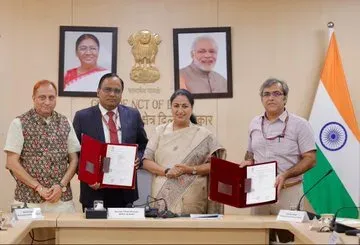
The inauguration was attended by Mayor Pravesh Wahi , Deputy Mayor Monika Pant , and other senior civic leaders.
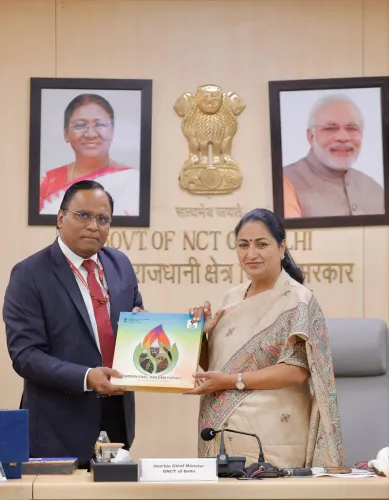
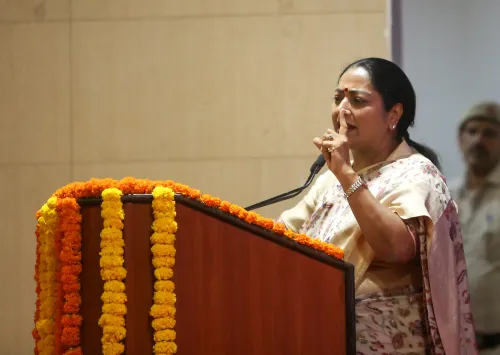
A ₹16 crore biogas plant at Goyla Dairy in Delhi is now operational — one that its proponents say could transform how the capital handles cattle waste and protect the Yamuna from one of its chronic, overlooked pollutants. Delhi Chief Minister Rekha Gupta inaugurated the facility on Monday, 19 October 2026, marking what her government frames as a tangible milestone in the national 'Waste to Wealth' agenda.
What the Goyla Dairy plant will actually do
The plant is designed to process 200 metric tonnes of cattle dung every single day, converting it into clean fuel and organic manure. That volume matters: unmanaged dung from Delhi's dairy clusters has long found its way into the Yamuna, adding biological oxygen demand to a river already under severe pressure. By intercepting that waste at source, the plant targets both an energy gap and a water-quality problem simultaneously.
The facility draws on the architecture of the central government's Gobar-Dhan scheme, launched in 2018, which was designed to incentivise exactly this kind of conversion — cattle dung into biogas and bio-slurry fertiliser — as part of the broader Swachh Bharat Mission. CM Gupta linked the inauguration directly to Prime Minister Narendra Modi's 'Waste to Wealth' vision, calling it 'dharatal par utarne ki disha mein ek mahatvapurn kadam' (an important step toward bringing the vision to the ground).
The political ledger: three plants in 18 months
Gupta did not let the ribbon-cutting pass without drawing a sharp contrast. Her post states that the previous government — the AAP administration that held Delhi for over a decade — did not commission a single biogas plant in its tenure, allowing 'hazaron tonne gobar Yamuna mein' (thousands of tonnes of dung into the Yamuna). The BJP-led government, she says, has launched three plants in under 18 months and is actively working on six more.
The specific numbers — plant counts, costs, and operational timelines attributed to the prior administration — come from her office's own account and have not been independently verified. The broader pattern, however, is consistent with Delhi administrations wrestling with biogas infrastructure for years without a sustained rollout, and with the BJP government positioning itself as the executor of central sustainability targets at the state level.
Who was in the room — and what comes next
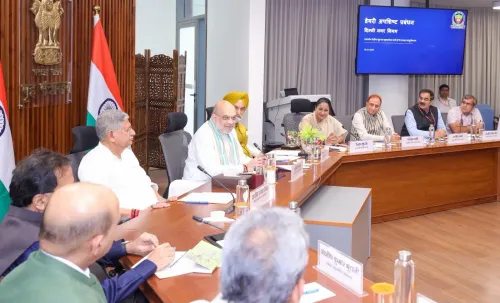
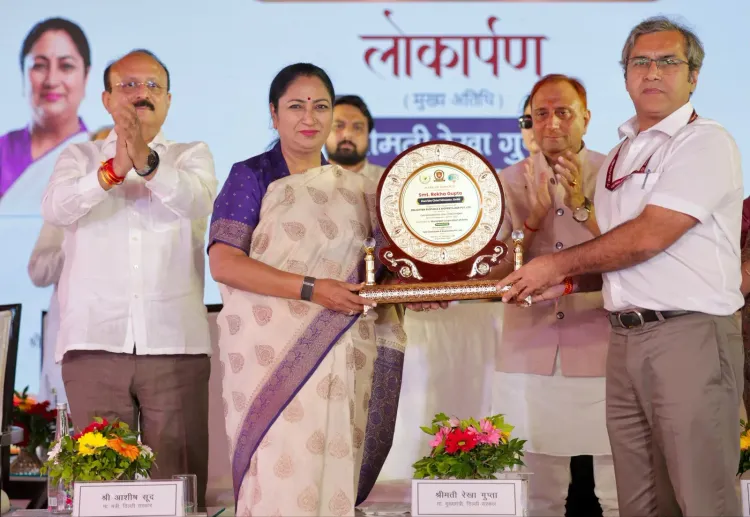
The inauguration drew a cross-section of Delhi's civic leadership. Cabinet Minister Ashish Sood, Delhi Mayor Pravesh Wahi, Deputy Mayor Monika Pant, MLA Sandeep Sahrawat, and MCD Standing Committee Chairperson Satya Sharma were all present — a turnout that signals the project is being positioned as a joint municipal-state achievement rather than a purely executive one.
For Delhi's cattle owners and dairy farmers, the plant offers a direct income argument: organic manure produced on-site can be sold, adding a revenue stream to households that currently treat dung as a disposal problem. The real test arrives when the remaining six plants are commissioned — that is when the aggregate daily processing capacity will determine whether Delhi can meaningfully shift the needle on Yamuna organic pollution.
Three plants down, six to go — and a river that will keep score.
Point of View
A cause that has animated Delhi politics for years. By framing the plant as an execution of PM Modi's 'Waste to Wealth' vision, Chief Minister Gupta is reinforcing the Centre-state alignment narrative that has defined the BJP's approach since it took power in Delhi. The pledge of six additional plants creates a measurable accountability ladder: if those facilities are commissioned on schedule, the government gains a rare, quantifiable environmental record to campaign on. The real question is whether the combined processing capacity, once complete, will be large enough to register in Yamuna water-quality data — the only metric that will ultimately matter to Delhi's residents.
NationPress
19 Oct 2026
Frequently Asked Questions
What is the Goyla Dairy biogas plant in Delhi?
The Goyla Dairy biogas plant is a ₹16 crore facility inaugurated by Delhi CM Rekha Gupta on 19 October 2026 . It processes 200 metric tonnes of cattle dung daily to produce clean biogas fuel and organic manure, and is designed to prevent dung from flowing into the Yamuna river.
How many biogas plants has the Delhi government built?
The BJP-led Delhi government, led by CM Rekha Gupta, claims to have launched three biogas plants in 18 months . It is also working on establishing six additional plants , according to the Chief Minister's statement.
What is PM Modi's Waste to Wealth mission?
The 'Waste to Wealth' initiative is a central government concept under the Swachh Bharat Mission framework that promotes converting waste — including cattle dung — into energy and resources. The related Gobar-Dhan scheme , launched in 2018, specifically incentivises biogas and organic manure production from cattle waste.
Will the Goyla biogas plant help clean the Yamuna?
The plant is positioned to help by intercepting cattle dung at source before it enters the Yamuna river — organic waste that adds to the river's pollution load. However, measurable impact on Yamuna water quality will depend on how many of the planned additional plants are commissioned and become operational.
What are the benefits for Delhi's dairy farmers from the biogas plant?
Dairy farmers and cattle owners stand to gain a new income stream: the organic manure (bio-slurry) produced from their cattle's dung at the plant can be sold commercially, converting a waste-disposal problem into a revenue-generating resource under the Gobar-Dhan scheme framework.