CM Himanta's Nijut Moina Babu Reaches 5.4 Lakh Assam Students
Synopsis
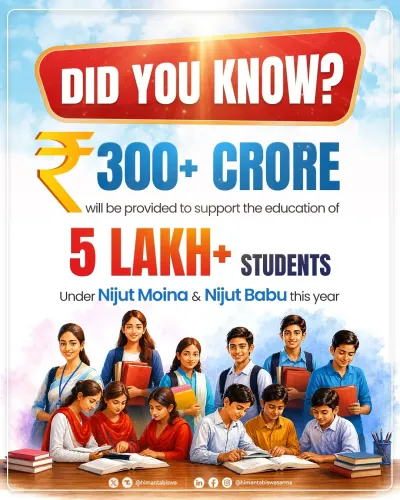
Assam Chief Minister Himanta Biswa Sarma says 5.4 lakh students across the state have started receiving monthly stipends of up to ₹2,500 under the Nijut Moina Babu scheme, marking a major scale-up of the government's direct cash transfer push in education.
Key Takeaways
5.4 lakh students in Assam — boys and girls — are now receiving monthly financial assistance under the Nijut Moina Babu scheme.
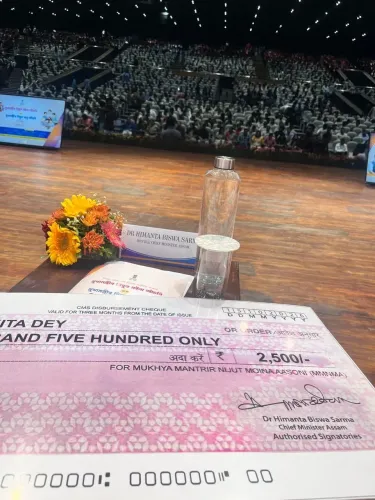
Each beneficiary receives up to ₹2,500 per month , representing a significant recurring state expenditure.
The scheme is part of a broader post-2021 expansion of direct cash transfers for students by the Assam government under CM Himanta Biswa Sarma .
The Sarma administration has prioritised near-universal coverage over narrow targeting, aligning with a wider Northeast India welfare trend.
The 2027-28 state budget will be a key test of the scheme's fiscal sustainability and long-term continuity.
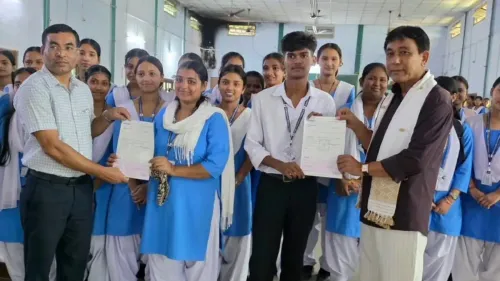
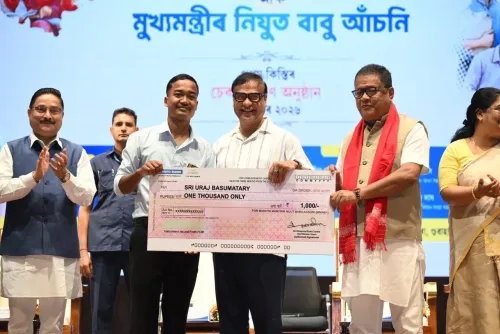
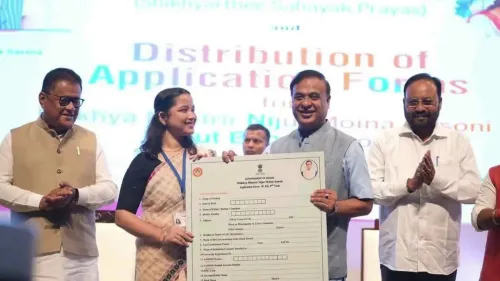
A welfare wave is washing across Assam's classrooms. Assam Chief Minister Himanta Biswa Sarma announced on Friday, 16 October 2026 that 5.4 lakh students — boys and girls — have begun receiving monthly stipends of up to ₹2,500 under the state's #NijutMoinaBabu scheme, marking a milestone in the BJP-led government's push for near-universal direct cash support in education.
What Nijut Moina Babu promises every student
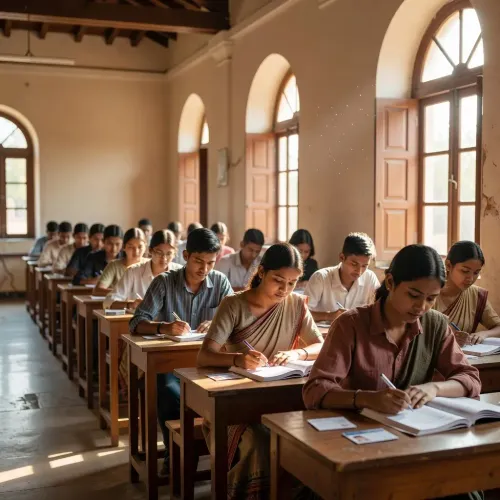
The scheme — whose name translates roughly to 'countless students' — channels up to ₹2,500 a month directly to enrolled beneficiaries across Assam. The Sarma administration has framed it as part of a broader state strategy of high-coverage welfare rather than narrow, means-tested targeting. The idea: reach enough students that school retention improves and household financial pressure eases, especially in a state where low household incomes have historically pushed young people out of classrooms early.
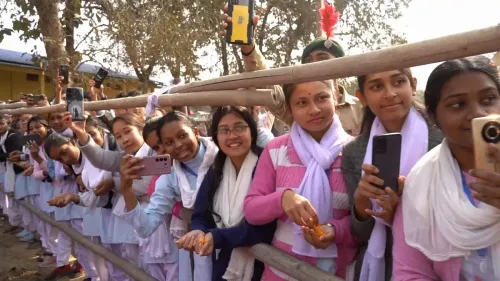
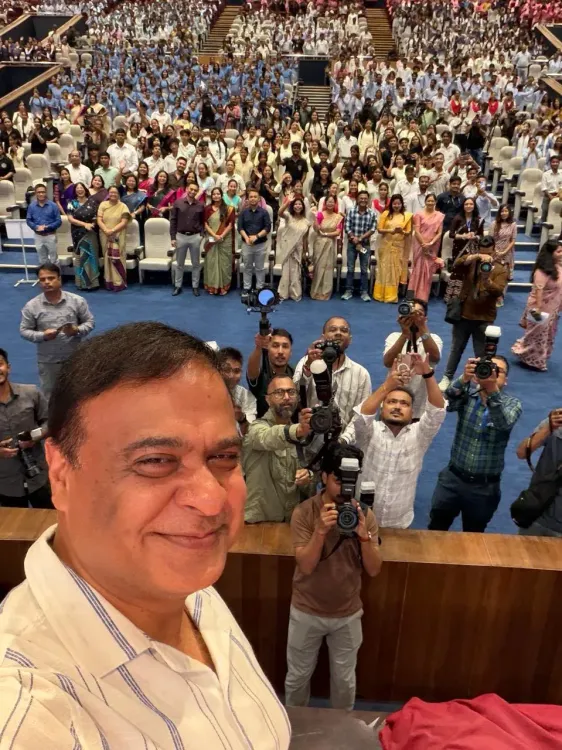
The CM's post captured the scale with characteristic flair — 'No camera could fit them all in one frame. Thankfully, our vision can.' That line is also a political statement: the government wants the sheer headcount to speak for itself.
Assam's direct-transfer push since 2021
This is not a standalone gesture. Since 2021, the Assam government has steadily expanded direct cash transfers aimed at students and youth, building a layered ecosystem of stipends and scholarships. The Northeast more broadly has seen state-funded social assistance grow as governments try to address structurally low household incomes and keep children in school longer. Nijut Moina Babu fits squarely into that regional pattern — but at 5.4 lakh beneficiaries, Assam is betting on volume.
Himanta Biswa Sarma, who also convenes the North-East Democratic Alliance (NEDA), has made welfare delivery a centrepiece of his political identity in the region. High beneficiary numbers — announced publicly and promptly — are part of that brand.
What the numbers will face next
The real test comes in the 2027-28 state budget cycle, when the financial sustainability of monthly transfers at this scale will be stress-tested against competing fiscal demands. Independent evaluations of whether the stipend has meaningfully moved enrolment or dropout numbers are still awaited. 5.4 lakh students at up to ₹2,500 each per month implies a monthly outlay potentially exceeding ₹135 crore — a significant recurring commitment for any state exchequer.
For now, the disbursements have begun, the beneficiaries are real, and the political signal is loud and clear.
Point of View
Direct transfers, and public visibility are all designed to consolidate the BJP's social contract with Assam's youth demographic ahead of future electoral cycles. CM Sarma's deliberate emphasis on scale — rather than outcomes — reflects a governance calculus where reach is the metric that moves voters. The broader Northeast pattern of expanding state-funded social assistance suggests this is also a competitive dynamic among NEDA-aligned governments, each trying to outdo the other on visible welfare delivery. Whether the scheme survives fiscal pressure in the 2027-28 budget, and whether it demonstrably reduces dropout rates, will determine if the vision matches the volume.
NationPress
16 Oct 2026
Frequently Asked Questions
What is the Nijut Moina Babu scheme in Assam?
Nijut Moina Babu is an Assam government scheme that provides monthly financial assistance of up to ₹2,500 to students. As of October 2026, the scheme has reached 5.4 lakh student beneficiaries across the state.
How much money do students get under Nijut Moina Babu?
Eligible students receive up to ₹2,500 per month under the Nijut Moina Babu scheme launched by the Assam government.
How many students are covered under Nijut Moina Babu?
According to Chief Minister Himanta Biswa Sarma's announcement on 16 October 2026, 5.4 lakh students across Assam have begun receiving the monthly stipend.
Who launched the Nijut Moina Babu scheme?
The scheme was launched by the BJP-led Assam government under Chief Minister Himanta Biswa Sarma, as part of a broader expansion of student welfare and direct cash transfer programmes after 2021.
Is the Nijut Moina Babu scheme for boys and girls both?
Yes. Chief Minister Himanta Biswa Sarma explicitly stated that both boys and girls are among the 5.4 lakh beneficiaries receiving the monthly stipend.