Badrinath & Gangotri Yatra Heading for Record Footfall
Synopsis
The Uttarakhand CMO announced on 29 September 2026 that Badrinath and Gangotri yatra are on course for a new footfall record, reflecting the state's sustained infrastructure push under the Char Dham all-weather road project.
Key Takeaways
The Uttarakhand CMO announced on 29 September 2026 that Badrinath and Gangotri yatra are heading for a new pilgrim record.
Badrinath (Chamoli district) and Gangotri (Uttarkashi district) are two of the four Char Dham pilgrimage sites.
The Char Dham all-weather road project , approved in 2016 , has steadily improved access to all four shrines.
The Char Dham season typically closes around Diwali in late October or early November each year.
Final verified figures are expected from the Uttarakhand Tourism Development Board at season's close.
Religious tourism is a core pillar of Uttarakhand's hill-district economic strategy.
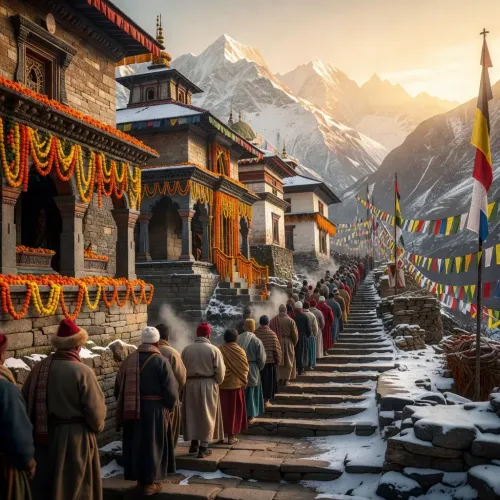
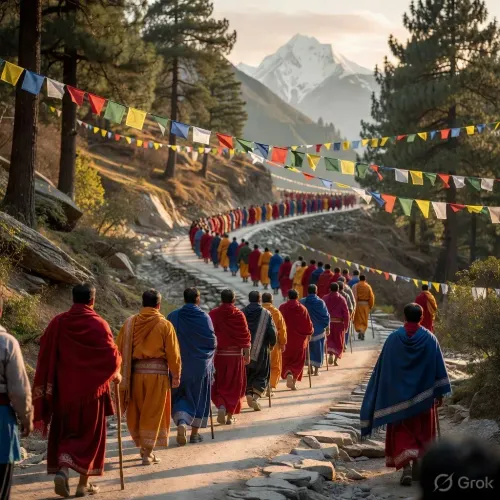
The peaks of Uttarakhand are drawing pilgrims in numbers that may rewrite the record books. The Chief Minister's Office of Uttarakhand announced on Tuesday, 29 September 2026 that the Badrinath and Gangotri yatra are on course to set a new pilgrimage footfall record this season.
The post, shared from the official CMO handle, declared: 'Badrinath aur Gangotri yatra naya record banane ki aur agrasar' — 'The Badrinath and Gangotri yatra are moving towards setting a new record.' With the Char Dham season approaching its traditional October close, the claim signals an exceptional turnout at two of Hinduism's most revered shrines.
Badrinath and Gangotri: What Makes These Two Sites So Significant
Badrinath, nestled in the Chamoli district of Uttarakhand, is among the holiest Vishnu temples in India and one of the four sacred stops on the Char Dham circuit — the others being Kedarnath, Gangotri, and Yamunotri. Gangotri, situated in Uttarkashi district, marks the spiritual origin of the Ganga river, drawing devotees who believe a visit washes away lifetimes of sin.
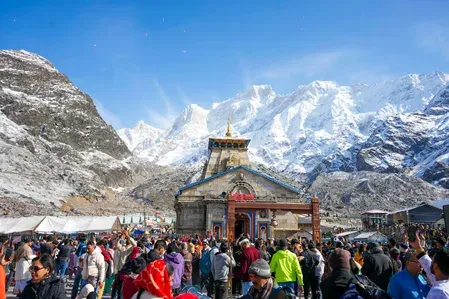
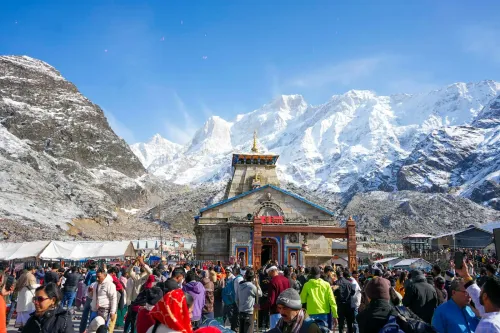
Together, the four shrines attract several million pilgrims every season, making the Char Dham Yatra one of the largest annual religious gatherings on the subcontinent. A record at even two of the four sites is a significant economic and spiritual milestone for the hill state.
Infrastructure Push Behind the Surge
Rising pilgrim numbers do not happen by accident. Since the Char Dham all-weather road project was approved in 2016, successive Uttarakhand governments have steadily upgraded connectivity to all four shrines — widening mountain roads, improving heli-services, and extending the formal pilgrimage window. The broader pattern has been deliberate: pair hard infrastructure with promotion, then use record footfall as proof that the investment worked.
Local tourism operators, hoteliers, and the tens of thousands of pujaris, porters, and service workers in the Chamoli and Uttarkashi valleys are among the most direct beneficiaries every time the pilgrim count climbs.
What the Season-End Count Will Confirm
The definitive numbers will come from the Uttarakhand Tourism Development Board when the shrines formally close for winter — typically by Diwali in late October or early November. That final tally will determine whether 'heading towards a record' becomes a record officially inscribed in state tourism history, and whether it translates into fresh infrastructure targets for the 2027 yatra season.
One thing is already clear: Uttarakhand's bet on religious tourism as an engine of mountain-district growth is gaining altitude — and the pilgrims are voting with their feet.
Point of View
Voter-legible metric of governance delivery. With state elections always on the horizon, record pilgrim numbers serve both as economic data and as political optics for a BJP-led administration that has closely identified itself with religious tourism. The infrastructure spend since 2016 is now generating compounding returns in visitor numbers, making it harder for any rival party to contest the narrative without a credible counter-proposal. The real test will be whether the state can manage the ecological and safety pressures that accompany mass pilgrimage in a seismically active Himalayan zone.
NationPress
29 Sept 2026
Frequently Asked Questions
Why is Badrinath Yatra important?
Badrinath is one of the four Char Dham pilgrimage sites in Uttarakhand, housing a sacred Vishnu temple in the Chamoli district; a visit is considered among the most spiritually significant acts in Hinduism.
When does the Char Dham Yatra season end in 2026?
The Char Dham shrines typically close for winter around Diwali in late October or early November; official closing dates for 2026 are expected to be announced by the Uttarakhand government closer to the time.
What is the Char Dham all-weather road project?
Approved in 2016, it is a central-government project to upgrade and widen the highways connecting the four Char Dham shrines — Badrinath, Kedarnath, Gangotri, and Yamunotri — to ensure year-round motorable access.
Where is Gangotri located?
Gangotri is located in the Uttarkashi district of Uttarakhand and marks the spiritual source of the Ganga river; it is one of the four stops on the annual Char Dham pilgrimage circuit.
How many pilgrims visit the Char Dham sites each year?
The Char Dham circuit draws several million pilgrims each year; the Uttarakhand Tourism Development Board releases official end-of-season counts, which the CMO's September 2026 post suggests may reach a new record this year.