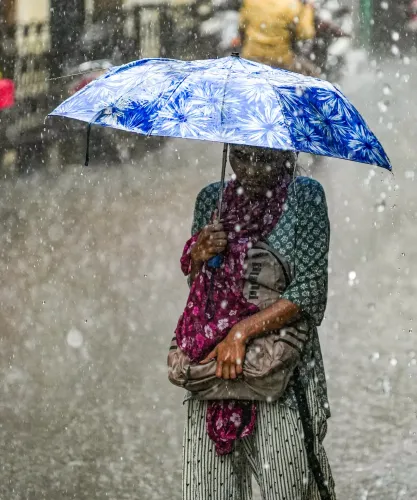
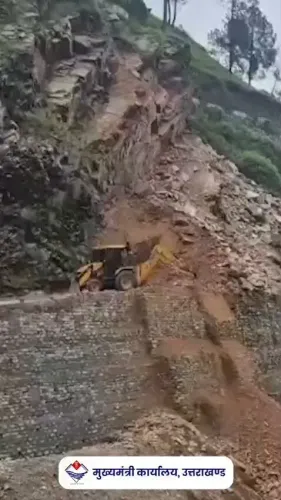
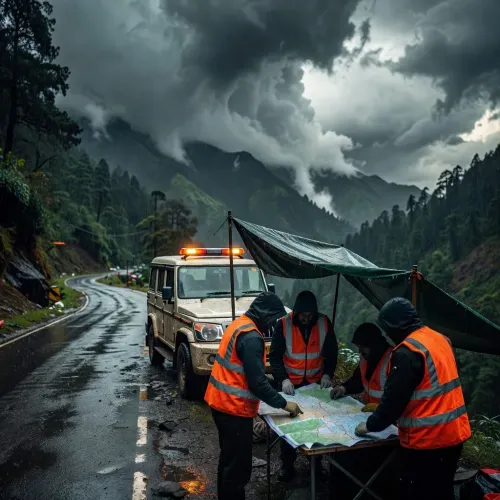
Uttarakhand CMO alerts Bageshwar residents amid heavy rainfall
Synopsis
The Chief Minister's Office of Uttarakhand on 17 July 2026 shared a police advisory urging Bageshwar district residents to stay vigilant amid heavy monsoon rainfall. The alert reflects the state's standing disaster-response protocols for Himalayan districts during peak monsoon season.
Key Takeaways
The Chief Minister's Office of Uttarakhand issued a public alert on 17 July 2026 regarding heavy rainfall in Bageshwar district .
Uttarakhand Police has appealed to the general public to remain alert and exercise caution.
Bageshwar , in the Kumaon Himalayas, is highly vulnerable to landslides and flash floods during the June–September monsoon season.
Uttarakhand strengthened district-level early-warning protocols after the 2013 Kedarnath floods .
Follow-up action may include deployment of NDRF/SDRF teams and possible road closures if conditions worsen.
IMD district forecasts and orders from the Bageshwar District Magistrate will determine the next steps.
The Chief Minister's Office of Uttarakhand on Friday, 17 July 2026, shared an advisory urging residents of Bageshwar district to remain alert as heavy rainfall continues to lash the Kumaon hill district. The post relayed an appeal by Uttarakhand Police asking the general public to exercise caution given the prevailing weather conditions.
The CMO's post, in Hindi, stated: 'जनपद बागेश्वर में हो रही बारिश को देखते हुए पुलिस ने आम जनता से सतर्क रहने की अपील की है' ('In view of the ongoing rainfall in Bageshwar district, the police have appealed to the general public to remain vigilant.').
Context
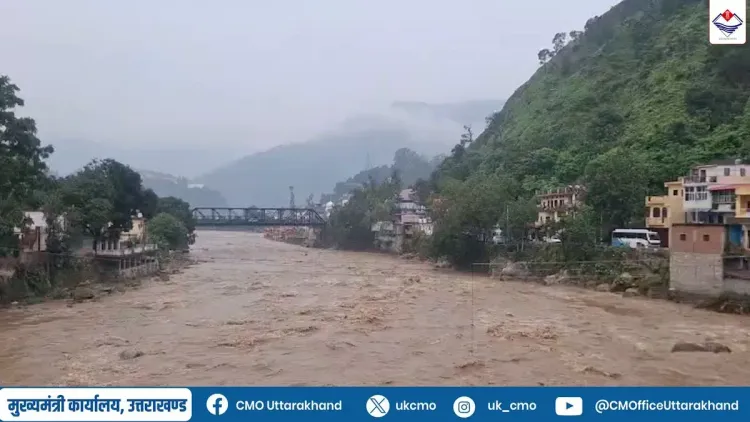
Bageshwar is a district in Uttarakhand's Kumaon region, situated in the central Himalayas. The district is routinely exposed to intense monsoon rainfall between June and September, making it vulnerable to landslides, flash floods, and swelling of rivers including the Saryu and Gomti. The advisory comes during the peak of the 2026 monsoon season.
Uttarakhand Police routinely issues public safety appeals during periods of heavy rainfall, working in coordination with district administrations and revenue departments. Such advisories are part of standing monsoon-response procedures that the state has maintained for over a decade.
Policy Backdrop
Uttarakhand overhauled its disaster-response framework following the catastrophic 2013 Kedarnath floods, which caused widespread loss of life and infrastructure across multiple hill districts. Since then, district-level early-warning systems and public-alert protocols have been strengthened to ensure timely communication when rainfall crosses safety thresholds.
State authorities, including the State Disaster Management Authority (SDMA), maintain coordination channels with district magistrates and police superintendents to escalate alerts rapidly. The India Meteorological Department (IMD) provides district-level forecasts that feed into these alert decisions.
Stakeholders and Impact
The advisory directly concerns Bageshwar district residents, particularly those living near riverbanks, on hill slopes, or in areas historically prone to landslides. Travellers passing through the district on mountain roads are also at heightened risk during periods of sustained rainfall, as road connectivity can be disrupted by debris flows.
Tourism activity in the broader Kumaon region, which attracts visitors to sites such as Baijnath and the Pindari Glacier trail, may also be affected if conditions deteriorate further. Residents have been urged to avoid unnecessary movement and to stay informed through official channels.
What's Next
Authorities and observers will watch for follow-up orders from the Bageshwar District Magistrate and the SDMA, including any decisions to close roads, evacuate vulnerable settlements, or open relief camps. IMD district forecasts for the coming days will be critical in determining whether the alert level needs to be escalated.
Should rainfall intensity increase, the state government may invoke additional provisions under the Disaster Management Act, 2005, to mobilise the National Disaster Response Force (NDRF) or State Disaster Response Force (SDRF) for pre-emptive deployment in Bageshwar and neighbouring Kumaon districts.
Point of View
Even before any confirmed incident is reported. This fits a post-2013 pattern in which Uttarakhand administrations have shifted toward proactive, pre-emptive communication rather than reactive crisis management. The move also reflects the growing use of official social media as a first-response alert channel in hill states where traditional media reach can be limited. Whether this advisory is followed by ground-level mobilisation will be the real test of the state's disaster-readiness infrastructure.
NationPress
16 Oct 2026
Frequently Asked Questions
Why has Bageshwar been put on alert for rainfall?
Uttarakhand Police issued a public advisory urging Bageshwar district residents to remain vigilant due to ongoing heavy monsoon rainfall, as shared by the Chief Minister's Office on 17 July 2026. The district is in the central Himalayas and is prone to landslides and flash floods during the monsoon season.
Which areas in Uttarakhand are most at risk during monsoon?
Himalayan districts in both the Kumaon and Garhwal divisions, including Bageshwar, Chamoli, Rudraprayag, Pithoragarh, and Uttarkashi, face the highest risk of landslides, flash floods, and road blockages during the June–September monsoon season.
What should Bageshwar residents do during heavy rainfall?
Residents have been urged by Uttarakhand Police to stay alert and avoid unnecessary movement, particularly near riverbanks, hill slopes, and roads vulnerable to landslides. They should follow updates from official district administration and police channels.
What is Uttarakhand's disaster response mechanism during monsoon?
The State Disaster Management Authority coordinates with district magistrates and police to issue timely alerts. The NDRF and SDRF are available for deployment, and early-warning protocols established after the 2013 Kedarnath disaster guide the state's response.
Has Uttarakhand faced major flood disasters before?
Yes. The 2013 Kedarnath floods were among the deadliest natural disasters in post-independence India, killing thousands across Uttarakhand. That event led to a major overhaul of the state's disaster-preparedness and early-warning systems.