Virender Basoya extradited from UAE in ₹6,000 crore Pune drug case
Synopsis
Alleged drug kingpin Virender Singh Basoya — accused in a ₹6,000 crore Pune narcotics case — has been brought back from Dubai, with Home Minister Amit Shah crediting a multi-level intelligence operation. His return also shines a spotlight on associate Sandeep Dhunia, linked to an even larger ₹13,000 crore drug network and reportedly now in Pakistan.
Key Takeaways
Virender Singh Basoya , accused in the ₹6,000 crore Pune drug case , was extradited from Dubai to India on 14 August via Air India flight 4310 .
The NCB had issued a Red Corner Notice against Basoya; he was arrested in Dubai before being deported.
Home Minister Amit Shah credited a top-to-bottom and bottom-to-top intelligence approach for tracking Basoya.
Basoya is reportedly linked to Sandeep Dhunia , the principal accused in a Delhi Police drug case involving narcotics worth ₹13,000 crore .
Dhunia is believed to have moved from Dubai to Pakistan and remains at large.
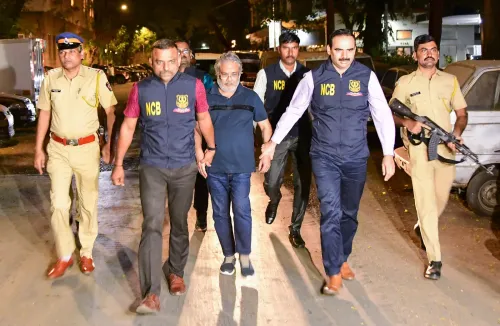
Alleged drug kingpin Virender Singh Basoya, wanted in a Pune drug case involving narcotics reportedly worth ₹6,000 crore, was brought back to India from the United Arab Emirates on 14 August, in what authorities are calling a landmark victory in the country's anti-narcotics campaign. Basoya arrived on Air India flight number 4310 from Dubai following coordinated efforts by Indian agencies, including the Narcotics Control Bureau (NCB).
How the Operation Unfolded
The NCB had earlier issued a Red Corner Notice against Basoya, leading to his arrest in Dubai. His deportation to India followed a formal initiative by the Government of India, with agencies reportedly tracking the fugitive through both top-down and bottom-up intelligence approaches — mapping his criminal network at multiple levels before securing his return.
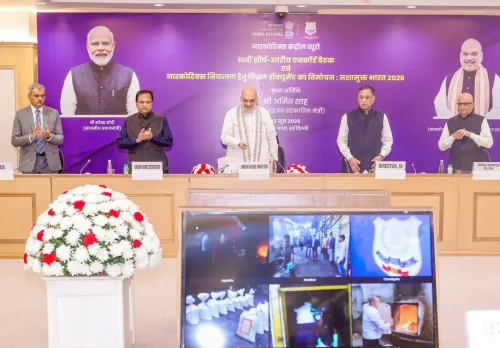
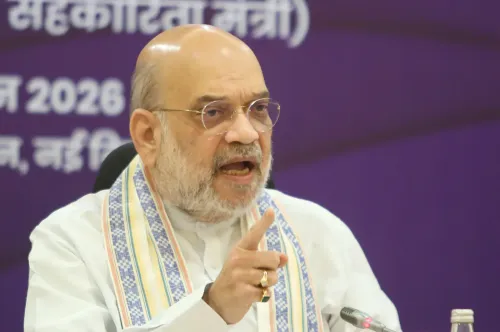
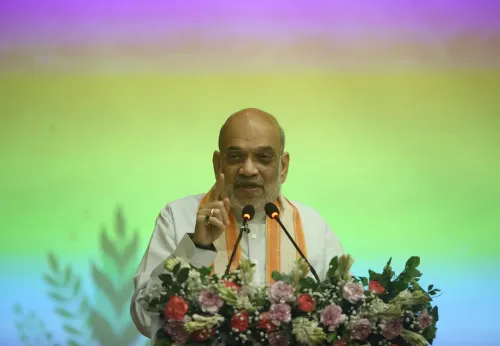
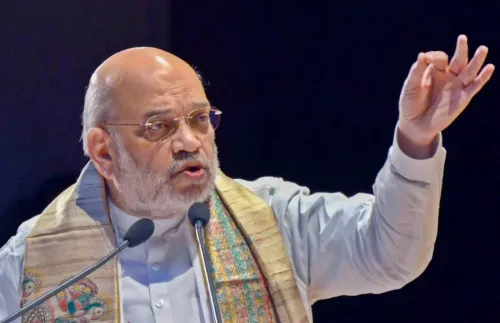
Home Minister Amit Shah described the operation as a new milestone in the government's stated policy of zero tolerance against narcotics. 'By tracing the criminal through a top-to-bottom and bottom-to-top approach, our agencies have once again proven that no matter where drug traffickers hide, they cannot escape the long arm of Indian law,' Shah said.
Links to a Larger Narcotics Network
Basoya is reportedly close to Sandeep Dhunia, identified as the principal accused in a Delhi Police drug case involving narcotics allegedly worth ₹13,000 crore — one of the largest such cases on record. According to available information, Dhunia managed to travel from Dubai to Pakistan and remains at large. The Basoya extradition is seen partly as an effort to unravel the broader network connected to Dhunia.
Notably, the two cases together represent alleged narcotics operations worth nearly ₹19,000 crore, underscoring the scale of the transnational drug syndicates that Indian agencies are targeting.
What the Government Said
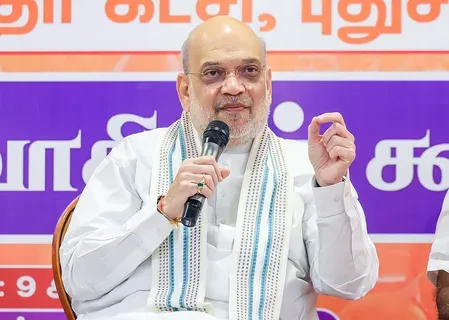
In a post on X, Shah said the Narendra Modi government was relentlessly pursuing drug traffickers operating from abroad and dismantling their ecosystems. 'Modi govt is relentlessly tracking down drug traffickers hiding abroad and destroying their entire ecosystem with a ruthless approach,' he said, adding that the NCB's success in securing Basoya's return marked a fresh chapter in India's zero-tolerance posture.
The government has consistently maintained that its anti-drug strategy targets not just individual traffickers but the wider financial, logistical, and criminal infrastructure that sustains narcotics syndicates across borders.
Significance for India's Anti-Drug Push
The Basoya extradition is the latest in a series of high-profile returns of fugitives accused of running large-scale narcotics operations from overseas. It signals a growing operational capability — and diplomatic traction — for Indian agencies pursuing suspects sheltered in Gulf nations. With Sandeep Dhunia still believed to be in Pakistan, investigators' attention is expected to shift toward that lead as the next phase of the probe unfolds.
Point of View
But the larger story is who remains free. Sandeep Dhunia — allegedly at the centre of a ₹13,000 crore narcotics web — is reportedly in Pakistan, a jurisdiction where Indian extradition leverage is effectively zero. Securing a fugitive from the UAE is diplomatically manageable; the harder test of India's zero-tolerance posture will come if and when agencies pursue suspects in adversarial states. The government's framing of this as a systemic victory is premature while the alleged kingpin of the larger network is beyond reach.
NationPress
29 Sept 2026
Frequently Asked Questions
Who is Virender Singh Basoya and why was he extradited?
Virender Singh Basoya is an alleged drug trafficker accused in a Pune narcotics case involving drugs reportedly worth ₹6,000 crore. He was extradited from Dubai to India on 14 August after the NCB issued a Red Corner Notice and Indian authorities coordinated his deportation from the UAE.
What is the Pune drug case linked to Basoya?
The Pune drug case involves narcotics allegedly worth ₹6,000 crore, in which Basoya is named as an accused. The NCB is the lead agency investigating the case, and Basoya's extradition is expected to open new leads into the network's operations.
Who is Sandeep Dhunia and how is he connected to this case?
Sandeep Dhunia is identified as the principal accused in a separate Delhi Police drug case involving narcotics allegedly worth ₹13,000 crore. Basoya is reportedly a close associate of Dhunia, who is believed to have travelled from Dubai to Pakistan and remains at large.
What did Home Minister Amit Shah say about Basoya's return?
Amit Shah, in a post on X, said Indian agencies tracked Basoya using a top-to-bottom and bottom-to-top approach, and called the extradition a new milestone in the government's zero-tolerance policy against narcotics. He stated that drug traffickers 'cannot escape the long arm of Indian law' regardless of where they hide.
What happens next after Basoya's extradition?
Basoya will face legal proceedings in India in connection with the Pune drug case. Investigators are expected to use his custody to gather further intelligence on the broader narcotics network, including leads related to Sandeep Dhunia, who remains at large in Pakistan.