CM Sai's Bastar Olympics enters third year, spotlighting tribal talent
Synopsis
The Chief Minister's Office of Chhattisgarh marks the Bastar Olympics' third year under CM Vishnu Dev Sai, positioning the annual multi-sport event as a flagship effort to unearth tribal athletic talent and channel youth energy in a historically conflict-affected region.
Key Takeaways
The Bastar Olympics is now in its third consecutive year , announced by the Chhattisgarh CMO on 16 November 2026 .
Chief Minister Vishnu Dev Sai , in office since December 2023 , frames the event as central to his Sushasan Sarkar governance agenda.
Bastar is a predominantly tribal, historically extremism-affected region in southern Chhattisgarh targeted for youth and welfare programmes.
The event aims to scout local athletic talent and provide youth with organised competitive platforms as an alternative to social unrest.
The approach mirrors a broader central-India trend of using grassroots sports events for community engagement in Scheduled Tribe-dominated districts.
Future integration with national schemes such as Khelo India and announcements on sports infrastructure remain the key indicators to watch.
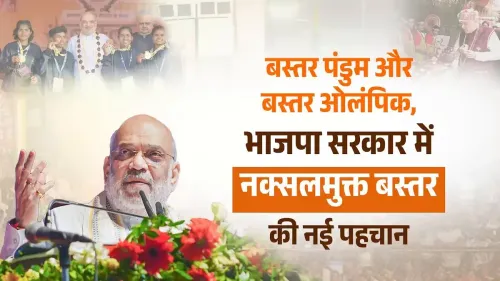
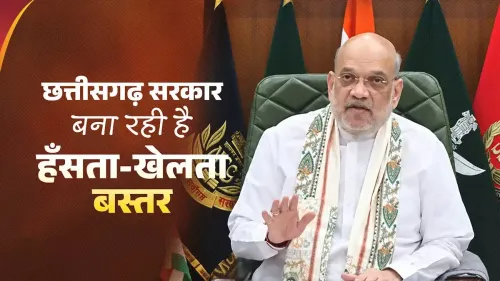
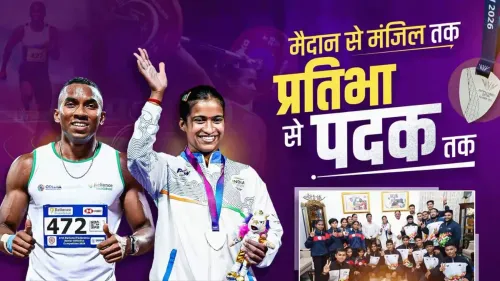
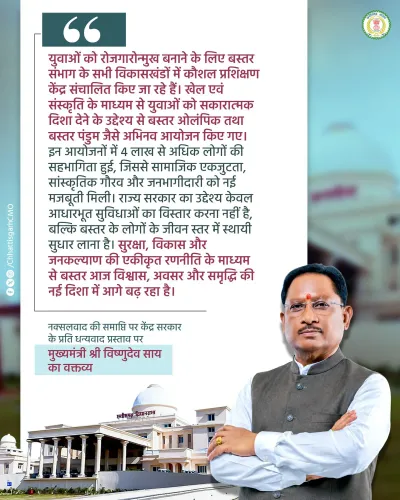
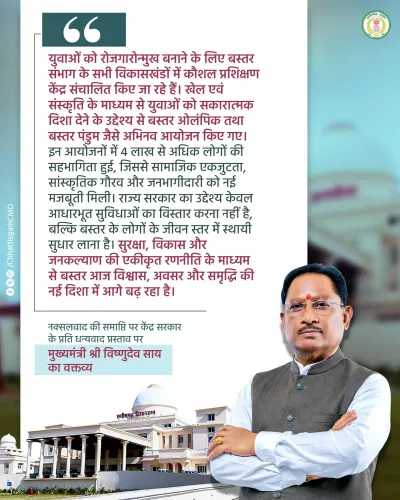
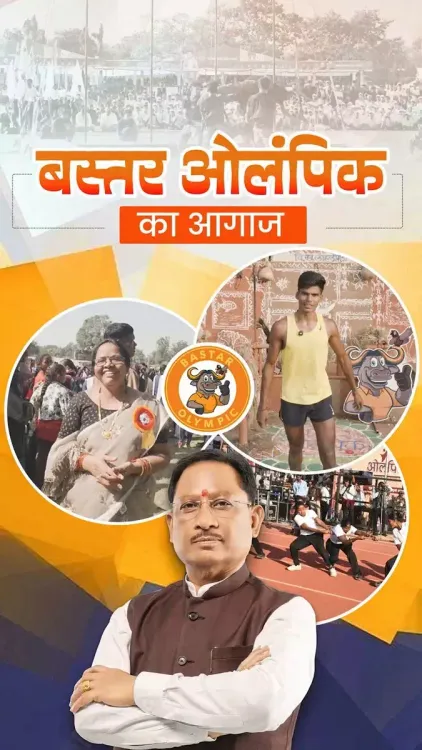
In a region long defined by conflict and neglect, the sports field is quietly writing a new story. The Chief Minister's Office of Chhattisgarh announced on Monday, 16 November 2026 that the Bastar Olympics is now in its third consecutive year — framing the annual multi-sport competition as a cornerstone of Chief Minister Vishnu Dev Sai's governance agenda for one of India's most historically underserved regions.
The post, shared by the official CMO account, declared: 'Khel ke maidan se Bastar mein likhi ja rahi hai badlaav aur umeed ki nayi kahani' — 'From the playing field, a new story of change and hope is being written in Bastar.' The language is deliberate. Hope, in Bastar, is not a given.
What the Bastar Olympics is — and why it matters here
Bastar is Chhattisgarh's southernmost division, home to a predominantly tribal population and, for decades, a theatre of left-wing extremism that disrupted schooling, livelihoods, and basic civic life. The Bastar Olympics is an annual multi-sport competition designed specifically for this belt — scouting athletic talent, creating competitive platforms, and channelling youth energy into organised sport rather than the vacuum that insurgency once exploited.
The event sits squarely within what the state government brands its Sushasan Sarkar ('Good Governance Government') framework, introduced after the BJP's return to power in Chhattisgarh in December 2023. Youth engagement and tribal-area development have been stated priorities of the Sai administration from day one.
A pattern bigger than one state
Chhattisgarh is not alone in reaching for the sporting arena as a tool of community repair. Across central India — from Jharkhand to Madhya Pradesh — state governments have increasingly deployed sports events to build social cohesion in former conflict zones, recognising that a teenager training for a javelin throw is a teenager not being recruited for something far darker. The approach aligns with national grassroots frameworks aimed at talent identification in Scheduled Tribe-dominated districts.
What gives the Bastar Olympics added significance is persistence: reaching a third edition signals institutional intent, not a one-off campaign photo opportunity. Sustaining an annual sporting calendar in a logistically challenging terrain requires real administrative commitment.
What comes next for Bastar's young athletes
The forward question is whether the talent identified on Bastar's playing fields finds pathways beyond the event itself — structured coaching, sports academies, or integration with central schemes such as Khelo India. The post does not announce specific infrastructure or funding, and those details remain to be formalised. But the political signal is clear: the Sai government is doubling down on sport as statecraft in Bastar.
Three years in, the scoreboard is still being filled — but the game, undeniably, has begun.
Point of View
CM Sai is signalling that tribal youth empowerment is not a one-election promise. The real test, however, lies downstream: whether these games feed into lasting infrastructure — coaching centres, scholarships, national-level pathways — or remain symbolically potent but structurally thin. Sport as a counter-extremism instrument has precedent across conflict-affected states, but outcomes depend entirely on what the state builds around the event, not just within it.
NationPress
16 Nov 2026
Frequently Asked Questions
What is the Bastar Olympics?
The Bastar Olympics is an annual multi-sport competition organised by the Chhattisgarh government in the Bastar region, designed to identify and nurture athletic talent among the tribal youth of southern Chhattisgarh.
Who started the Bastar Olympics?
The Bastar Olympics was initiated under the Chhattisgarh state government framework. The current BJP administration under Chief Minister Vishnu Dev Sai, in power since December 2023, has continued and promoted the event as part of its Sushasan Sarkar agenda.
Why is sports development important in Bastar?
Bastar has a predominantly tribal population and was long affected by left-wing extremism. Sports events like the Bastar Olympics aim to engage youth constructively, provide competitive platforms, and support community development in an underserved region.
Is the Bastar Olympics connected to Khelo India?
No formal integration between the Bastar Olympics and the central government's Khelo India scheme has been announced, but analysts and the state government consider such linkages a logical next step for channelling identified talent into national pathways.
What is Sushasan Sarkar in Chhattisgarh?
Sushasan Sarkar, meaning 'Good Governance Government,' is the branding framework adopted by the BJP-led Chhattisgarh government under CM Vishnu Dev Sai after the December 2023 assembly election victory, emphasising development, tribal welfare, and youth empowerment.