Kerala launches 'Be a Malayali for a Day' cultural tourism push
Synopsis
Kerala is betting its next tourism leap on lived experience, not landmarks. The 'Be a Malayali for a Day' initiative, launched on Thiruvonam eve, asks visitors to make floral carpets, cook Onam feasts, and learn classical arts alongside local communities — turning culture from a backdrop into the product itself, and potentially routing tourism revenue directly to artists and villages.
Key Takeaways
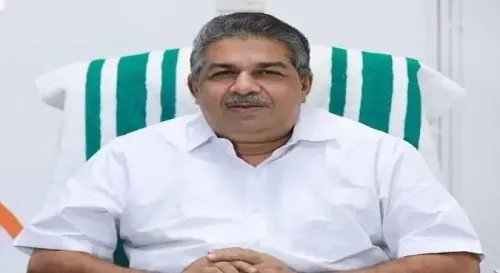
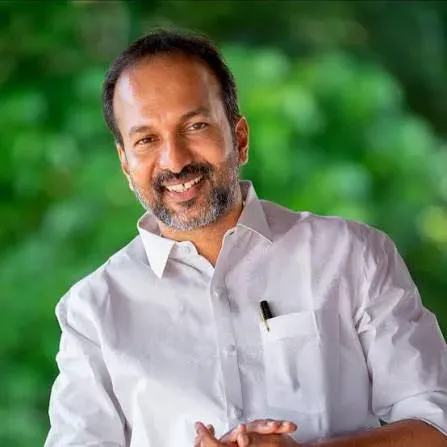
Tourism Minister P.C.
Vishnunath launched 'Be a Malayali for a Day' on the eve of Thiruvonam in Thiruvananthapuram .
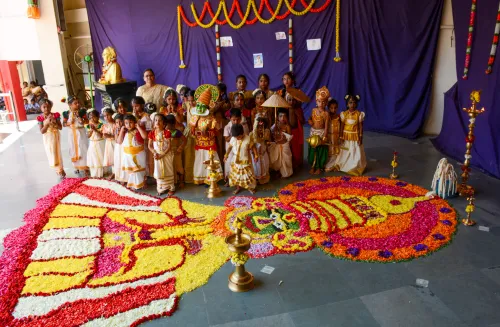
Tourists can participate in making an Athapookalam , cooking an authentic Onam meal , and learning traditional art forms alongside local communities.
The Congress-led government , 100 days into office, is positioning cultural immersion as a new economic driver for the state.
A distinct cultural tourism brand for every district is proposed to spread activity beyond established destinations year-round.
The government also plans to digitally document traditional art forms for global accessibility and heritage preservation.
Execution — scaling community traditions without commodifying them — is identified as the central challenge.
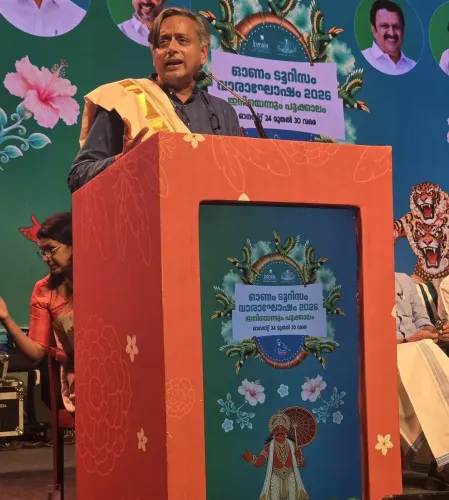
Kerala's Tourism Minister P.C. Vishnunath unveiled a new experiential tourism initiative, 'Be a Malayali for a Day', in Thiruvananthapuram on the eve of Thiruvonam, inviting visitors to move beyond sightseeing and immerse themselves in Malayali life, culture, and traditions. The launch marks one of the first major policy signals from the Congress-led government, barely 100 days into office, on how it intends to reshape Kerala's tourism economy.
What the Initiative Offers
Under the programme, tourists can participate in making an Athapookalam (traditional floral carpet) alongside local communities, learn to prepare an authentic Onam meal, or spend time with traditional artists picking up the basics of a classical art form. The visitor, in Minister Vishnunath's framing, becomes a participant rather than a spectator — a deliberate shift from passive sightseeing to active cultural engagement.
Vishnunath has also proposed developing a distinct cultural tourism brand for every district in Kerala, integrating local festivals, art forms, and cultural events into the global tourism calendar. Such a model, if executed, could spread tourist activity beyond the state's established coastal and backwater circuits and generate revenue across all twelve months of the year.
The Economic Case for Cultural Tourism
The initiative's economic logic is straightforward: Kerala does not need to manufacture a new tourism product, because much of what it requires already exists in its villages, festivals, cuisine, crafts, and performing arts. The challenge is converting these living traditions into experiences that visitors are willing to pay for, while ensuring that communities earn from them without reducing culture to a staged performance.
Tourism spending, when structured this way, can flow far beyond hotels — reaching artists, cooks, guides, transport operators, small businesses, and local producers. For a state actively seeking new sources of revenue and employment, the multiplier effect of community-embedded cultural tourism could be considerable.
Digital Preservation and Global Reach
The government has also signalled a parallel objective: documenting traditional art forms digitally and making them accessible to a global audience. This dual focus — commercialising heritage while preserving it — points to a longer-term strategy of keeping Kerala's cultural identity relevant to younger generations even as it is opened to international visitors.
Execution Will Be the Real Test
Observers note that the concept's success hinges entirely on implementation. Turning embedded community traditions into scalable, repeatable tourism experiences — without stripping them of authenticity — is a challenge that cultural tourism programmes worldwide have struggled with. Kerala's advantage is the depth and continuity of its living traditions; its risk is over-commercialisation that hollows them out.
As the state moves from 'Come to see Kerala' to 'Come to Experience Kerala', the next tourism frontier may not be a new destination at all, but the experience of Malayali life itself.
Point of View
And competing on scenery alone is a race to the bottom. Anchoring the product in living culture — Athapookalam, Onam cuisine, classical arts — creates differentiation that no other Indian state can easily replicate. The real question is whether the Congress government can move from a well-framed concept to a structured supply chain of authentic community experiences, with fair revenue-sharing for artists and local producers. Cultural tourism programmes globally have a poor record of keeping communities at the centre once commercial scale arrives. Kerala's pitch is compelling; its governance track record on execution will determine whether 'Be a Malayali for a Day' becomes a model or a missed opportunity.
NationPress
25 Aug 2026
Frequently Asked Questions
What is Kerala's 'Be a Malayali for a Day' initiative?
'Be a Malayali for a Day' is an experiential tourism programme launched by Kerala Tourism Minister P.C. Vishnunath on the eve of Thiruvonam, inviting tourists to participate in local traditions such as making an Athapookalam, cooking an Onam meal, and learning classical art forms alongside community members. It aims to shift Kerala's tourism model from sightseeing to cultural immersion.
Who launched the 'Be a Malayali for a Day' initiative and when?
The initiative was unveiled by Tourism Minister P.C. Vishnunath on the eve of Thiruvonam in Thiruvananthapuram. It is one of the first major tourism policy moves by Kerala's Congress-led government, which is approximately 100 days into office.
How could this initiative benefit local communities in Kerala?
By routing tourist participation through village communities, the programme is designed to generate income for artists, cooks, guides, transport operators, and small businesses — not just hotels. This community-embedded model could spread economic benefits across districts beyond established tourist destinations.
What is the plan for district-level cultural tourism branding?
Minister Vishnunath has proposed creating a distinct cultural tourism brand for each district in Kerala, built around local festivals, art forms, and cultural events. The goal is to draw visitors throughout the year and reduce dependence on a handful of peak-season destinations.
What are the risks associated with this cultural tourism model?
The primary risk is over-commercialisation — converting living traditions into tourism products can strip them of authenticity over time. Analysts note that execution will determine whether Kerala can scale the initiative without reducing its culture to a staged performance, a challenge that similar programmes globally have struggled to navigate.