Bear attack in J&K's Tral area injures man amid rising human-wildlife conflict
Synopsis
A bear mauled a man outside his home in J&K's Nagbal village on Tuesday — a grim but familiar headline in a region that has logged over 17,200 human-wildlife conflict incidents since 2020, claiming more than 100 lives. With autumn pushing bears out of forests and toward orchards, the conflict season is far from over.
Key Takeaways
Mushtaq Ahmed was injured in a bear attack in Nagbal village , Tral area , Pulwama district , J&K , on 6 October 2026 .
He was hospitalised; a Wildlife Protection Department team was dispatched to the area.
J&K recorded over 15,661 human-wildlife conflict cases between 2023 and 2025 , resulting in 32 deaths and more than 350 injuries .
Over the broader period of 2020–2025 , more than 17,200 incidents claimed over 100 lives and injured nearly 1,100 people .
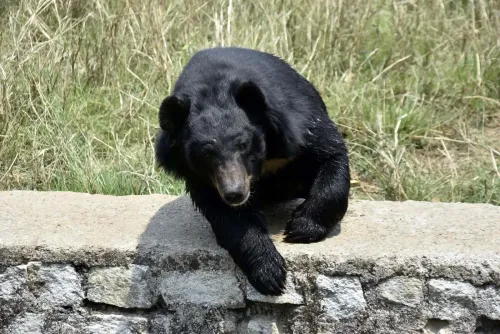
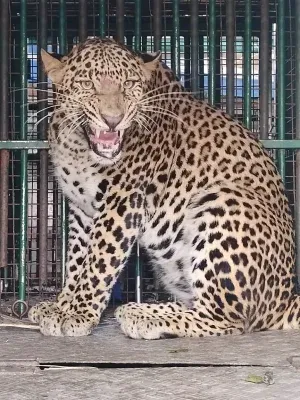
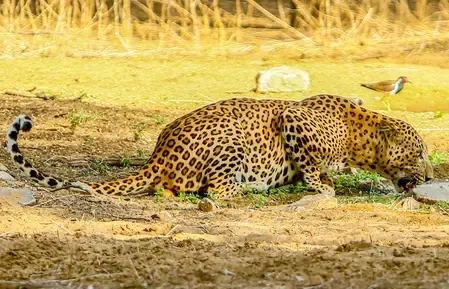
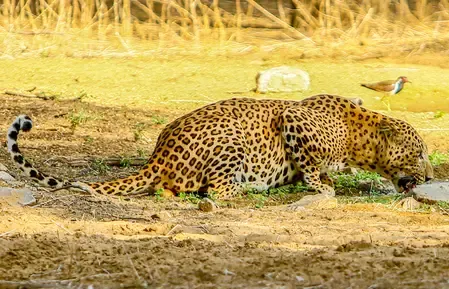
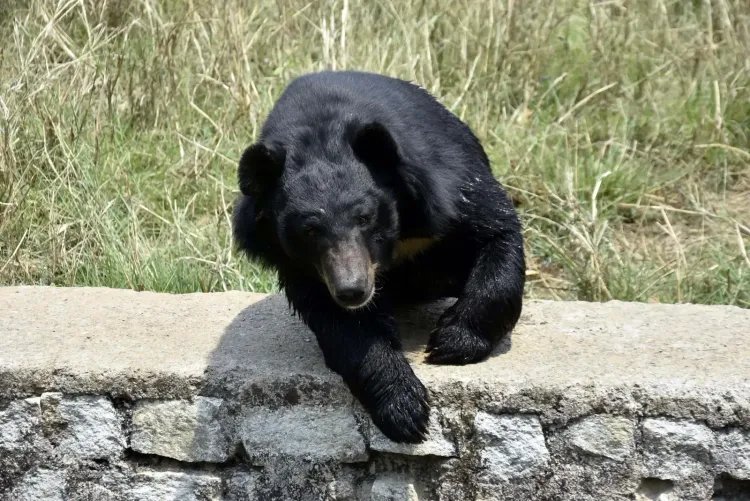
Asiatic black bears , Himalayan brown bears , and common leopards are the primary species involved in attacks.
The J&K government has established 42 wildlife control rooms across the Union Territory but residents are urging stronger surveillance and relocation measures.
A man was injured in a bear attack in the Tral area of Pulwama district, Jammu and Kashmir, on Tuesday, 6 October 2026, officials confirmed. The victim, identified as Mushtaq Ahmed, was attacked near his home in Nagbal village early in the morning and was subsequently transported to a hospital for treatment.
What Happened in Nagbal Village
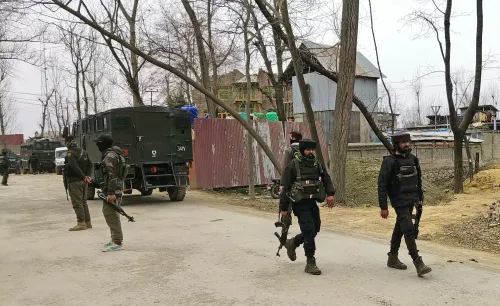
According to officials, Ahmed had stepped out of his house during the early morning hours when the bear attacked him. A team from the Wildlife Protection Department was dispatched to the area shortly after receiving the report. Officials urged residents to avoid venturing outside unnecessarily and sought public cooperation to ensure safety.
Growing Fear Among Residents
The attack has heightened anxiety among villagers in and around the Tral area, where the movement of wild animals has recorded a steep rise in recent years. Residents told officials that encounters with wild animals — particularly during early morning hours — have become a growing and recurring concern. Villagers have urged the Wildlife Department to intensify surveillance in vulnerable areas and take necessary measures to capture and relocate animals that pose a threat to human settlements.
Scale of the Human-Wildlife Conflict in J&K
The incident is part of a broader and worsening pattern across Jammu and Kashmir. Between 2023 and 2025, the Union Territory recorded over 15,661 human-animal conflict cases, resulting in 32 deaths and more than 350 injuries, according to official data. Over a broader five-year span from 2020 to 2025, more than 17,200 incidents were logged, claiming over 100 lives and injuring nearly 1,100 people.
Asiatic black bears, Himalayan brown bears, and common leopards are the primary species involved in these encounters. High-fatality zones include North Kashmir districts such as Baramulla, Kupwara, and Bandipora, as well as hill districts like Doda, Kishtwar, and Anantnag. Jammu district records a high overall number of conflict incidents.
Why Wildlife Is Encroaching on Villages
Experts and authorities cite a combination of structural drivers behind the escalating conflict. Deforestation, road construction, and urban expansion have fragmented wildlife corridors, pushing animals toward villages and orchards. A high population of stray dogs near human habitations reportedly attracts leopards into residential zones. Bears, in particular, tend to approach orchards and residential areas during autumn months to feed before winter hibernation, while open or improper waste disposal further attracts predators. This comes amid broader land-use changes across the Union Territory that have steadily eroded natural buffer zones between wildlife habitats and human settlements.
What Authorities Are Doing
The J&K government has set up 42 wildlife control rooms across the Union Territory, equipped with tranquillising guns, rescue vehicles, cages, and capture nets. Authorities have also deployed specialised wildlife rescue vehicles to improve response mobility in high-risk zones. However, critics argue that the pace of institutional response has not kept up with the scale of conflict incidents, particularly in remote and hilly areas where response times remain a concern.
As the bear-sighting season intensifies ahead of winter, residents and wildlife officials alike are bracing for further incidents — with calls growing louder for a more comprehensive long-term strategy to manage human-wildlife coexistence in the region.
Point of View
200 conflict cases in five years and just 42 control rooms for a vast, mountainous Union Territory, the infrastructure-to-incident ratio is telling. The seasonal dimension compounds the risk: autumn bear activity near orchards is predictable, yet proactive pre-season deployment in known hotspots remains inconsistent. Until J&K resolves the structural drivers — degraded corridors, unmanaged waste near villages, stray dog populations — each new attack will generate the same cycle of alarm, deployment, and inadequate follow-through.
NationPress
6 Oct 2026
Frequently Asked Questions
Who was injured in the bear attack in Tral, J&K?
The victim is Mushtaq Ahmed, a resident of Nagbal village in the Tral area of Pulwama district, J&K. He was attacked while stepping out of his home during early morning hours on 6 October and was subsequently shifted to a hospital for treatment.
How serious is the human-wildlife conflict situation in Jammu and Kashmir?
The situation is severe. Between 2023 and 2025, J&K recorded over 15,661 human-animal conflict cases resulting in 32 deaths and more than 350 injuries. Over the broader five-year period from 2020 to 2025, more than 17,200 incidents were reported, claiming over 100 lives and injuring nearly 1,100 people.
Which wild animals are most involved in attacks in J&K?
Asiatic black bears, Himalayan brown bears, and common (Indian) leopards are the primary species responsible for human-wildlife conflict incidents in Jammu and Kashmir. Bears are especially active near residential areas in autumn ahead of winter hibernation.
What is the J&K government doing to address wildlife attacks?
The J&K government has set up 42 wildlife control rooms across the Union Territory equipped with tranquillising guns, rescue vehicles, cages, and capture nets. Specialised wildlife rescue vehicles have also been deployed to improve response times in high-risk zones. Residents, however, are calling for intensified surveillance and relocation of animals posing a direct threat to human settlements.
Why are wild animals increasingly entering villages in J&K?
Key drivers include deforestation, road construction, and urban expansion that have fragmented wildlife corridors, forcing animals toward villages and orchards. Additionally, open waste disposal attracts predators, while high stray dog populations near human habitations draw leopards into residential areas.