J&K Wildlife Dept captures four wild bears in south Kashmir settlements
Synopsis
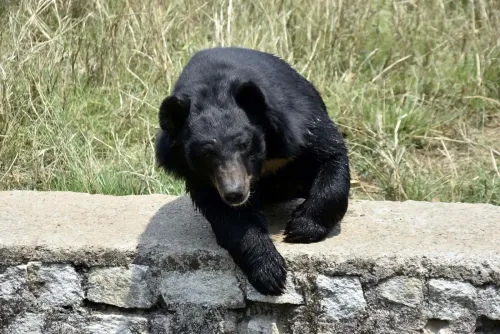
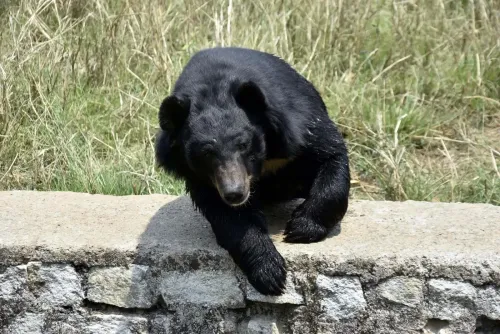
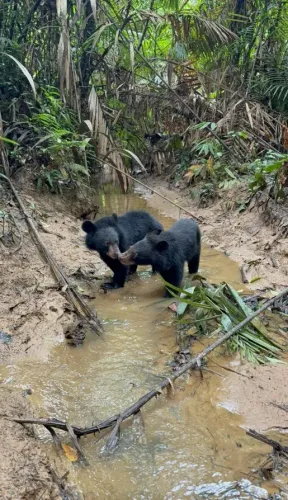
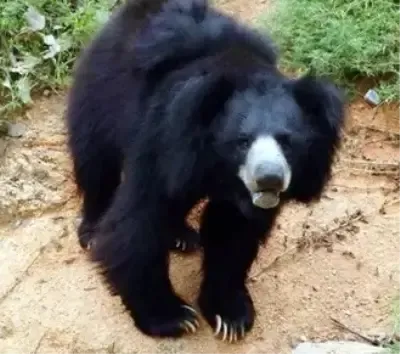
Four wild Asiatic black bears — including a 500-kg male — were captured alive in south Kashmir on 7 November as human-wildlife conflict intensifies across the Valley. Disrupted hibernation cycles, shrinking forest buffers, and a growing bear population are pushing wildlife deeper into villages, university campuses, and towns, with leopards adding to the pressure.
Key Takeaways
The J&K Wildlife Protection Department captured four wild Asiatic black bears in south Kashmir on 7 November 2026 .
A 500-kg male bear was tranquillised at Bachoo Sagam, Kokernag in Anantnag district ; three others were caged at Ashmaqum .
All four bears were captured alive by the Wildlife South Division Bijbehara and will be returned to their natural habitat after a surveillance period.
Climate change, disrupted hibernation cycles, expanding apple orchards, and reduced forest buffers are driving bears into human settlements across the Kashmir Valley .
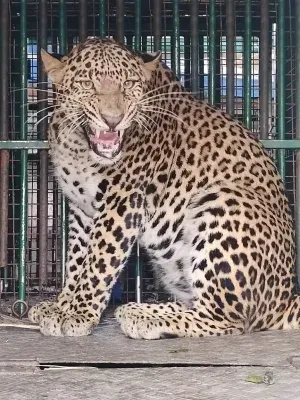
The common leopard is also increasingly encroaching into residential areas; recent relocations were carried out near Budgam , Baramulla , Ganderbal , and Kulgam .
Residents are advised to secure garbage and livestock and report all wildlife sightings to local wildlife control rooms .
The Jammu & Kashmir Wildlife Protection Department on Saturday, 7 November 2026, captured four wild Asiatic black bears that had strayed into human habitations across south Kashmir, officials confirmed. The successful operation underscores the growing frequency of human-wildlife conflict in the Kashmir Valley as bears increasingly venture out of forest cover and into residential areas.
Details of the Operation
Officials said a 500-kg male bear was successfully tranquillised at Bachoo Sagam in the Kokernag area of Anantnag district. Three additional bears were captured in cages installed at Ashmaqum by the Seer Wildlife Control Room. All four animals were taken alive by the Wildlife South Division Bijbehara during what officials described as a day-long operation. The bears will be kept under surveillance before being restored to their natural habitat.
Why Bears Are Venturing Into Villages
Wild bears — primarily the Asiatic black bear — are increasingly wandering into residential areas, university campuses, and villages across the Kashmir Valley. According to wildlife officials, climate change and unseasonably mild or shortened winters have disrupted natural hibernation cycles, keeping bears active for longer periods than usual. Expanding apple orchards, shifting land-use patterns, and shrinking forest buffer zones are drawing wildlife closer to human settlements in search of food.
Notably, stronger enforcement of wildlife protection laws and anti-poaching bans have contributed to a healthy growth in the wild bear population — a conservation success that has simultaneously raised the frequency of overlap with human habitations. Bears have been reported roaming through parts of Srinagar (including university campuses), Anantnag, Ganderbal, Bandipora, and Kupwara districts.
Leopards and Other Wildlife Also Encroaching
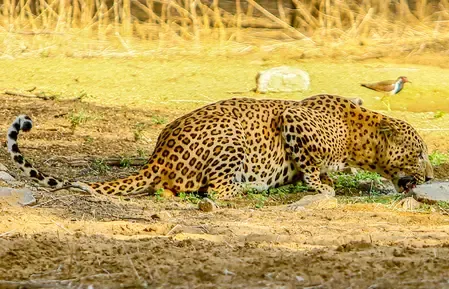
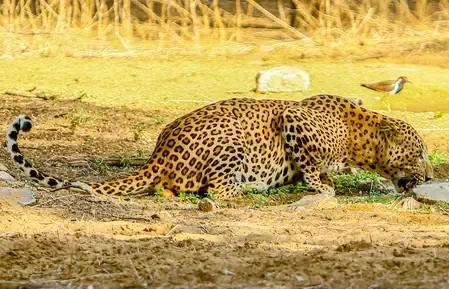
The black bear surge is part of a broader pattern. The common leopard has emerged as the primary driver of human-wildlife encounters in the Valley, having grown highly adaptable to dense social forestry plantations, nursery grounds, and apple orchards used as cover. Stray dogs feeding on poorly managed garbage near towns and villages provide a ready food source, as does local livestock and poultry.
In recent weeks, the J&K Wildlife Protection Department successfully trapped and relocated leopards following sightings near Budgam Degree College Road, residential colonies in Baramulla — including Microwave Colony — and villages across Ganderbal and Kulgam. Frequent sightings and rescue operations have triggered widespread public anxiety across multiple districts.
What Authorities Are Doing
The J&K Wildlife Protection Department has deployed rapid-response teams and dedicated control rooms to tranquillise and capture straying animals, with many being relocated to natural habitats such as Dachigam National Park. Authorities are advising residents to exercise caution during peak harvesting and early winter hours, secure garbage and livestock properly, and report all wildlife sightings immediately to local wildlife control rooms.
With winter approaching and hibernation patterns remaining unpredictable, wildlife officials are expected to remain on heightened alert across all districts of the Kashmir Valley.
Point of View
Not a solution. The Kashmir Valley is seeing a structural collision between a recovering wildlife population and expanding human footprint — and the department's rapid-response model, while effective for individual rescues, does not address the underlying drivers. Shrinking forest buffers and unchecked orchard expansion are reducing the ecological separation that keeps wildlife and settlements apart. Unless land-use planning integrates wildlife corridor preservation, the frequency of these operations will only increase — and so will the risk to both animals and residents.
NationPress
7 Nov 2026
Frequently Asked Questions
How many bears were captured in south Kashmir on 7 November 2026?
Four wild Asiatic black bears were captured alive in south Kashmir on 7 November 2026 by the J&K Wildlife Protection Department's Wildlife South Division Bijbehara. This included a 500-kg male bear tranquillised at Bachoo Sagam in Anantnag district and three others caged at Ashmaqum.
Why are wild bears entering human settlements in Kashmir?
Wildlife officials attribute the trend to climate change disrupting natural hibernation cycles, expanding apple orchards, reduced forest buffer zones, and a growing bear population following stricter protection laws. These factors together draw bears closer to villages and towns in search of food.
What will happen to the four captured bears?
All four bears will be kept under surveillance for a period before being restored to their natural habitat, according to J&K Wildlife Protection Department officials. No timeline for release has been specified.
Are leopards also a concern in Kashmir's human-wildlife conflict?
Yes. The common leopard is reportedly the primary driver of human-wildlife encounters in the Valley, having adapted to apple orchards, forestry plantations, and areas near garbage dumps as cover and food sources. Recent relocations were carried out near Budgam, Baramulla, Ganderbal, and Kulgam.
What precautions are authorities advising Kashmir residents to take?
The J&K Wildlife Protection Department advises residents to exercise caution during peak harvesting and early winter hours, secure garbage and livestock properly, and immediately report any wildlife sightings to local wildlife control rooms. Rapid-response teams remain deployed across the Valley.