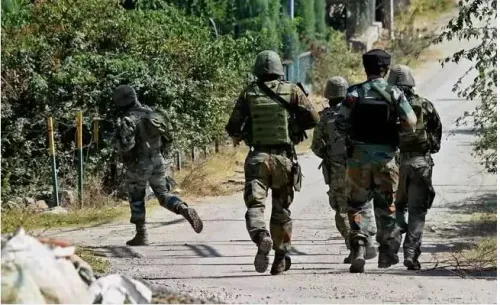
Bear attack in J&K's Anantnag injures two siblings in orchard
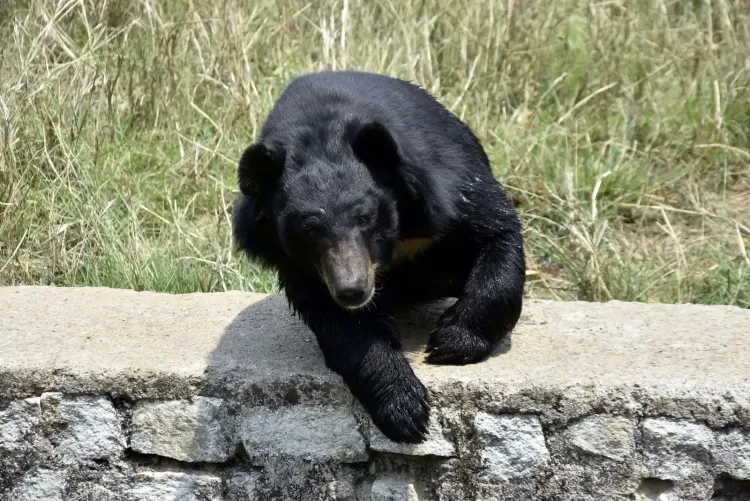
Synopsis
A bear attacked two young siblings — aged 25 and 14 — inside an orchard in Anantnag's Dooru area on Tuesday, highlighting a crisis that has produced over 17,200 human-wildlife conflict incidents in J&K since 2020. With habitat loss accelerating and deterrent measures still limited, the union territory's wildlife conflict emergency shows no sign of easing.
Key Takeaways
Aabid Nazir, 25 , and Sehrish Nazir, 14 , were injured in a bear attack in the Kralmud area of Dooru, Anantnag on 15 September 2026 .
Both were evacuated to Sub-District Hospital (SDH) Dooru for initial treatment.
Jammu and Kashmir recorded over 17,200 human-wildlife conflict incidents between 2020 and mid-2025 , with more than 100 deaths .
Government data shows 18 deaths and 9,301 cases in 2023–24 , and 14 deaths with over 6,300 cases in 2024–25 .
Habitat loss, encroachment on wildlife corridors, and open garbage dumps are cited as key drivers of rising conflict.
Authorities are deploying non-lethal deterrents and operating Wildlife Department control rooms, but critics say measures remain insufficient.
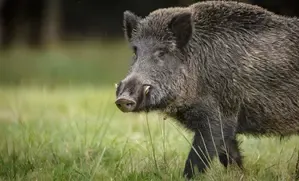
Two siblings were mauled by a bear in Anantnag district of Jammu and Kashmir on Tuesday, 15 September 2026, officials confirmed. The attack occurred inside an orchard in the Kralmud area of Dooru in south Kashmir, adding to a growing tally of human-wildlife conflict incidents across the region.
What Happened
The injured have been identified as Aabid Nazir, 25, and Sehrish Nazir, 14 — son and daughter of Nazir Ahmad Rather, residents of Kralmud. Both were evacuated to the Sub-District Hospital (SDH) Dooru for initial treatment, according to officials. The nature and extent of their injuries were not immediately specified.
A Region Under Siege: Conflict by the Numbers
Tuesday's attack is far from an isolated incident. Jammu and Kashmir recorded over 17,200 human-wildlife conflict incidents between 2020 and mid-2025, resulting in more than 100 deaths. A two-year sub-period within that window alone saw 15,661 conflict cases, causing 32 deaths and 350 injuries, according to available data.
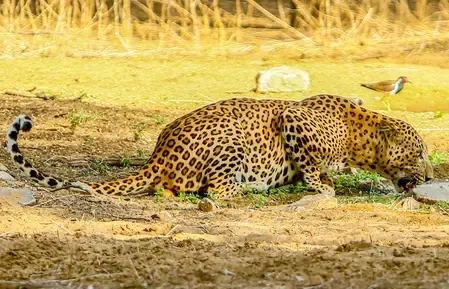
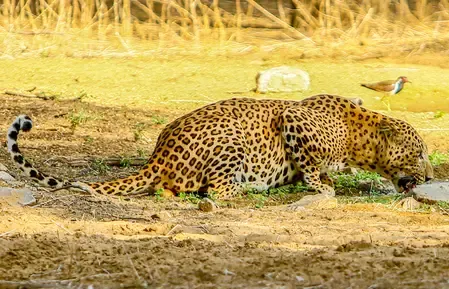
Government figures presented in the J&K Assembly paint an equally stark picture: 18 deaths and 9,301 cases were recorded in 2023–24, followed by 14 deaths and over 6,300 cases in 2024–25. Districts including Jammu, Kupwara, Doda, Kishtwar, Baramulla, and Anantnag log the highest frequency of distress calls and encounters. Recent attacks have also been reported in Aishmuqam (Anantnag) and Handwara (Kupwara), typically involving black bears and leopards foraging near agricultural fields and habitations.
Drivers of the Conflict
Experts and officials point to several overlapping factors. Rapid deforestation and the expansion of human settlements and orchards into traditional forest land have stripped wildlife of natural habitat and prey, pushing animals into villages. Infrastructure projects — roads, hydroelectric works — have further fragmented wildlife migration corridors, leaving animals with fewer safe passages.
Encroachment on these corridors, open garbage dumps that attract stray dogs (which in turn draw predators such as leopards), and the erosion of natural forest buffers all compound the problem, according to officials familiar with the pattern.
What Authorities Are Doing
The Wildlife Department of Jammu and Kashmir operates active control rooms across the union territory to respond to conflict incidents. Non-lethal deterrents — including pepper spray, noise devices, and mild electric sticks — are being introduced for use by local communities to enhance safety without harming animals. Critics argue, however, that these measures remain insufficient given the scale of incidents recorded year after year.
With conflict numbers showing no clear downward trend, pressure is mounting on authorities to address the root causes — chiefly habitat loss and corridor fragmentation — rather than relying solely on reactive measures.
Point of View
Not a random misfortune — J&K has averaged more than 3,400 human-wildlife conflict incidents a year since 2020, and the numbers are not falling. Non-lethal deterrents and control rooms are reactive tools; the root problem is that orchard expansion and infrastructure projects have made coexistence geometrically harder. What is missing from the official response is a land-use framework that actually treats wildlife corridors as inviolable rather than as negotiable space. Until that changes, the region will keep counting casualties.
NationPress
15 Sept 2026
Frequently Asked Questions
What happened in the Anantnag bear attack on 15 September 2026?
Two siblings — Aabid Nazir, 25 , and Sehrish Nazir, 14 — were attacked by a bear inside an orchard in the Kralmud area of Dooru, Anantnag, on Tuesday. Both were evacuated to Sub-District Hospital (SDH) Dooru for treatment, officials confirmed.
How serious is the human-wildlife conflict problem in Jammu and Kashmir?
Jammu and Kashmir recorded over 17,200 human-wildlife conflict incidents between 2020 and mid-2025, resulting in more than 100 deaths. Government data tabled in the J&K Assembly shows 18 deaths and 9,301 cases in 2023–24 alone, underscoring the scale of the crisis.
Which districts in J&K are most affected by wildlife conflict?
Jammu, Kupwara, Doda, Kishtwar, Baramulla, and Anantnag record the highest frequency of distress calls and wildlife encounters. Black bear and leopard attacks are most frequent in rural and orchard belts in these districts.
Why is human-wildlife conflict increasing in J&K?
The primary drivers are habitat loss due to expanding human settlements and orchards, fragmentation of wildlife corridors by road and infrastructure projects, and open garbage dumps that attract animals near habitations. As forests shrink, animals lose natural prey and increasingly enter villages to forage.
What measures are authorities taking to reduce wildlife attacks in J&K?
The Wildlife Department operates active control rooms across J&K and is introducing non-lethal deterrents such as pepper spray, noise devices, and mild electric sticks for local communities. Critics argue, however, that these steps remain inadequate given the persistent rise in conflict incidents.