West Bengal CM Adhikari orders dept-wise revenue leakage blueprints
Synopsis
West Bengal's new government under CM Suvendu Adhikari is going department by department to hunt down revenue leakage — and claims it has already netted ₹1,000 crore in extra collections in just two months. A forthcoming white paper is set to name the sectors and quantify losses under the previous TMC regime, raising the political stakes well beyond a routine fiscal exercise.
Key Takeaways
West Bengal CMO has directed all state departments to prepare blueprints identifying revenue leakages and prevention measures.
Special focus on agriculture, transport, land and land reforms, public works, and health — flagged as high-leakage sectors.
The new government claims additional tax collections of ₹1,000 crore in its first two months compared to the corresponding period under the previous administration.
Departments must also report on revenue targets set and achieved under the previous Mamata Banerjee-led TMC government.
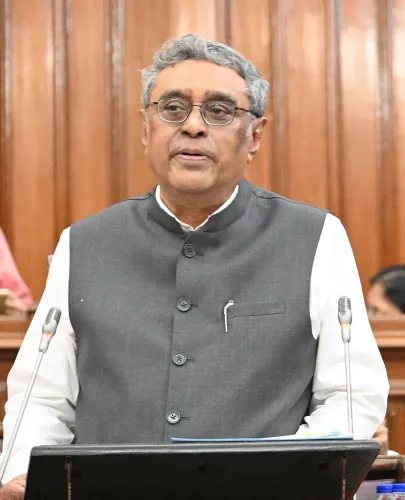
Finance Minister Swapan Dasgupta has framed leakage-plugging — not higher tax rates — as the core revenue strategy for 2026-27 .
A government white paper on revenue leakage is being prepared, which will document sector-wise losses to the state exchequer.
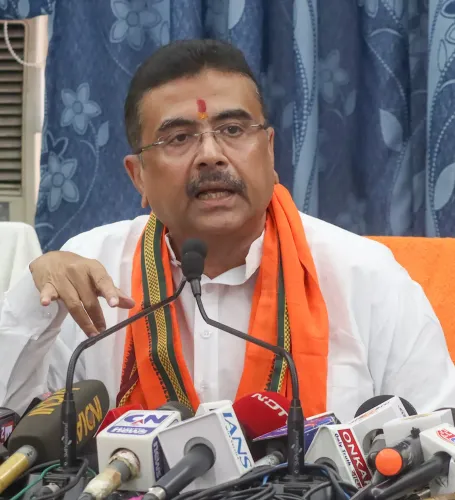
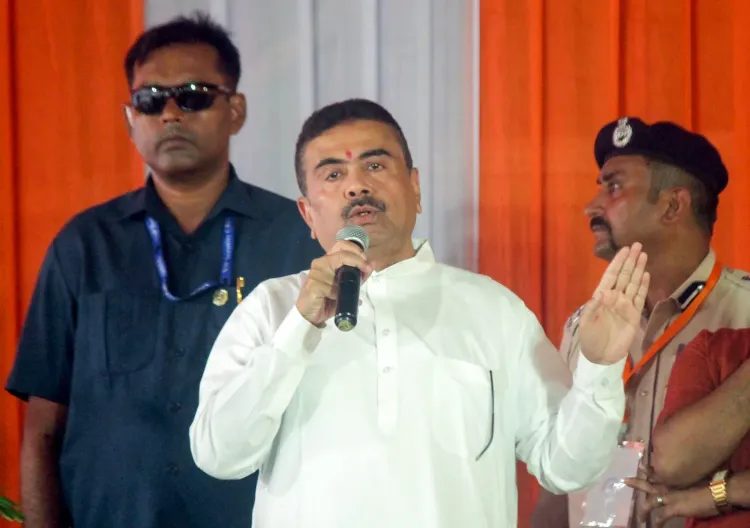
West Bengal Chief Minister Suvendu Adhikari's office has directed all state government departments to prepare department-wise blueprints identifying revenue leakages and recommending corrective measures, with the stated goal of boosting the state's own tax revenue without raising tax rates. The directive, issued from the Chief Minister's Office (CMO) at Nabanna, marks one of the new government's most systematic fiscal reform moves since taking charge.
What the Directive Covers
Each department has been asked to map where and when the last tax revision was carried out, identify sectors with high leakage potential, and submit concrete prevention measures. According to a state secretariat official, departments have also been directed to compile a report comparing revenue collection targets set under the previous Mamata Banerjee-led All India Trinamool Congress (TMC) government against actual achievements.
Special emphasis has been placed on five departments — agriculture, transport, land and land reforms, public works, and health — which the government identifies as having both high revenue potential and significant leakage risk.
Early Results and Scale of the Exercise
The government claims the anti-leakage steps already taken have yielded additional tax collections of approximately ₹1,000 crore in the first two months of the new administration, compared with the corresponding period under the previous government. Officials say the current blueprint exercise is intended to extend that momentum across all departments by the close of financial year 2026-27.
'Now the state government wants to extend the exercise across all departments with an aim to improve the overall collection in the state's own tax revenue by the end of the current financial year of 2026-27,' the state government official said.
Allegations Against the Previous Regime
A state secretariat insider alleged that revenue leakage under the previous administration was 'completely intentional, involving massive institutional corruption.' The government has indicated that a white paper is being prepared to document sector-wise revenue losses and their quantum impact on the state exchequer — a move that is expected to have political as well as fiscal implications.
Budget Context and Legislative Pushback
State Finance Minister Swapan Dasgupta, while presenting the 2026-27 budget proposals, stated that plugging tax leakage loopholes — rather than imposing higher tax slabs — is central to the government's revenue strategy. Critics from certain quarters had argued that the budget lacked specific directions on improving own-tax revenue, but the treasury bench countered that the government had been acting on leakage prevention from day one of the new cabinet. This comes amid broader scrutiny of West Bengal's fiscal health, where dependence on central transfers has historically been high relative to own-tax revenue generation.
What Comes Next
Departments are expected to submit their blueprints to the CMO, after which the government is likely to consolidate findings into a state-wide action plan. The white paper on revenue leakage, when released, will be a closely watched document — both as a fiscal roadmap and as a political indictment of the outgoing TMC administration. Whether the ₹1,000 crore early gain can be scaled meaningfully across all departments will be the real test of this initiative's ambition.
Point of View
000 crore figure cited for two months is notable, but without an independent audit, it is a government self-assessment — the white paper will be the first real test of credibility. West Bengal's own-tax revenue has long underperformed its economic size, and if the Adhikari administration can structurally close leakage gaps rather than just score political points, it would mark a meaningful shift. The harder question is whether institutional reforms — not just directives — will follow the blueprints.
NationPress
24 Jul 2026
Frequently Asked Questions
What has the West Bengal CMO directed state departments to do?
The Chief Minister's Office has asked every state government department to prepare a blueprint identifying where revenue leakages occur and recommending measures to prevent them. Departments must also report on past revenue targets and actual collections under the previous government.
How much additional revenue has West Bengal's new government claimed to collect?
The state government claims to have collected approximately ₹1,000 crore in additional tax revenue in the first two months of the new administration, compared with the corresponding period under the previous TMC government. Officials attribute this to early anti-leakage measures already put in place.
Which departments are under special focus in the revenue leakage exercise?
Agriculture, transport, land and land reforms, public works, and health have been identified as priority departments due to their high potential for both revenue generation and leakage. These departments have been asked to submit detailed sector-wise assessments.
What is the West Bengal government's white paper on revenue leakage?
The government is preparing a white paper that will document how revenue collection was hampered under the previous regime, identifying affected sectors and quantifying losses to the state exchequer. It is expected to serve both as a fiscal roadmap and a political accountability document.
How does the government plan to improve tax revenue without raising taxes?
Finance Minister Swapan Dasgupta has stated that plugging existing tax leakage loopholes — rather than imposing higher tax slabs on citizens — is the central strategy for improving West Bengal's own tax revenue in 2026-27. The department-wise blueprint exercise is the operational mechanism for this approach.