West Bengal mulls ULCRA amendments to unlock land for private investment
Synopsis
West Bengal's new government is moving to dismantle a 1976-era land ceiling law that has blocked industrial investment for decades — while simultaneously rolling out a direct land purchase policy that reverses the previous TMC administration's hands-off approach. Finance Minister Swapan Dasgupta has called the ULCRA 'archaic,' signalling the most substantive land reform push the state has seen in years.
Key Takeaways
West Bengal is reviewing the Urban Land (Ceiling and Regulation) Act, 1976 (ULCRA) to remove barriers to industrial and infrastructure investment.
Finance Minister Swapan Dasgupta described the Act as 'archaic' after presenting the state Budget for 2026-27 .
The government favours targeted amendments over a full repeal, despite industry lobbying for complete scrapping of the law.
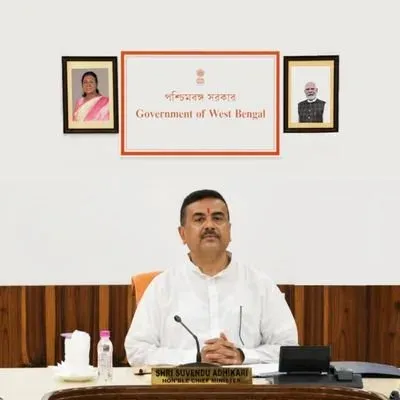
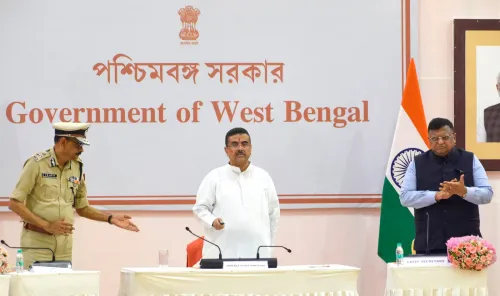
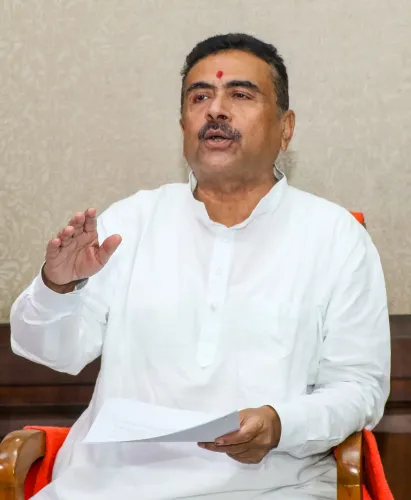
Chief Minister Suvendu Adhikari 's government has separately announced a direct land purchase policy, a reversal of the previous TMC administration's approach.
Key urban centres affected include Kolkata , Asansol , and Durgapur in West Burdwan district.
The West Bengal government is considering amendments to the Urban Land (Ceiling and Regulation) Act, 1976 (ULCRA), with the aim of easing land availability for industrial and infrastructure projects across the state. The move follows an earlier overhaul of the state's land acquisition framework and signals a broader regulatory reset under the new administration.
What the ULCRA Is and Why It Matters
Enacted in 1976, the ULCRA historically capped private vacant landholdings beyond a specified threshold in key urban centres — including the state capital Kolkata and major industrial townships such as Asansol and Durgapur in the mineral-rich West Burdwan district. While the law was originally designed to curb land speculation, it has over the decades functioned as a significant barrier to large-scale industrial and infrastructure investments in the state.
What the Government Is Planning
According to sources in the state secretariat, a preliminary review of the Act is already underway to identify provisions that could be amended or removed. The review aims to eliminate investment bottlenecks while retaining safeguards against speculative land hoarding.
Sources indicated that while sections of industry favour an outright repeal of the law, the government is more likely to pursue targeted amendments following a detailed assessment rather than a wholesale scrapping of the legislation.
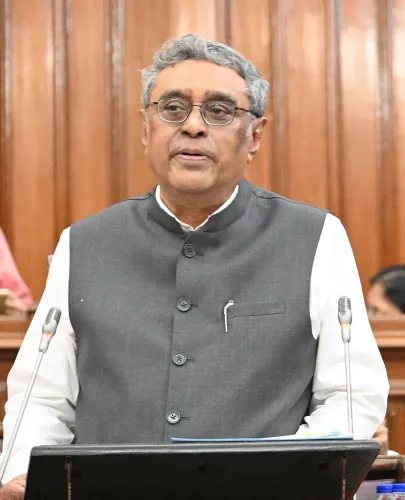
Finance Minister Swapan Dasgupta, speaking after presenting the state Budget for 2026-27, said that reforming land-related regulations and reviewing the ULCRA were among the government's key priorities for attracting major private investments. He described the Act as 'quite archaic and a relic of the old socialist days,' adding that certain provisions that create bottlenecks for infrastructural and industrial investments may require amendment or outright removal.
The New Land Procurement Policy
The ULCRA review comes alongside a separate policy shift: Chief Minister Suvendu Adhikari's government has announced a uniform land procurement policy under which the state will undertake 'direct land purchase' from landowners and subsequently transfer the acquired land for its intended purpose — whether industrial, infrastructural, or otherwise.
This marks a sharp departure from the approach of the previous administration led by Mamata Banerjee's All India Trinamool Congress (TMC), which, according to observers, effectively negated any state government role in land procurement — including for projects involving national security considerations such as land for the Border Security Force (BSF) for erecting fencing along international borders with Bangladesh.
Industry Response and Broader Impact
Economic and industrial observers have broadly welcomed the twin policy shifts. They argue that the proposed ULCRA review, combined with the new direct land purchase framework, could meaningfully reduce regulatory and procedural hurdles that have historically deterred large-scale private investment in West Bengal.
Notably, West Bengal has long been seen as lagging behind states such as Gujarat, Tamil Nadu, and Telangana in ease of land acquisition for industry — a gap that successive governments have struggled to close. The current administration's moves represent the most substantive attempt in recent years to address that structural disadvantage.
Whether the amendments translate into a tangible uptick in investment commitments will depend on the pace of legislative action and the specifics of the provisions ultimately retained or removed.
Point of View
But the harder test lies ahead: targeted amendments to a 50-year-old law are notoriously difficult to execute without creating new ambiguities that lawyers and litigants exploit. West Bengal has lost ground to Gujarat, Tamil Nadu, and Telangana on industrial investment for two decades. Whether this legislative reset is enough to reverse that trajectory depends entirely on implementation speed and the credibility of the new land procurement machinery — neither of which is guaranteed by the announcement alone.
NationPress
13 Jul 2026
Frequently Asked Questions
What is the Urban Land (Ceiling and Regulation) Act, 1976 and why is West Bengal reviewing it?
The ULCRA is a central law that capped private vacant landholdings beyond a specified threshold in major urban areas, including Kolkata, Asansol, and Durgapur. West Bengal is reviewing it because, despite its original intent to curb speculation, the Act has functioned as a major barrier to industrial and infrastructure investment in the state.
Will West Bengal repeal the ULCRA entirely?
Not immediately. According to sources in the state secretariat, the government is more likely to pursue targeted amendments following a detailed review, rather than a full repeal — even though sections of industry have lobbied for complete scrapping of the law.
What is West Bengal's new direct land purchase policy?
Under the policy announced by Chief Minister Suvendu Adhikari's government, the state will directly purchase land from owners and then transfer it for its intended industrial, infrastructural, or other purpose. This replaces the previous TMC administration's approach, which effectively kept the government out of land procurement entirely.
How does this differ from the previous TMC government's land policy?
The Mamata Banerjee-led TMC government largely negated any state role in land procurement, including for projects with national security implications such as BSF border fencing. The current administration's direct purchase model is described by observers as diametrically opposite to that approach.
Which areas in West Bengal are most affected by the ULCRA?
The Act applies primarily to major urban centres in the state — the state capital Kolkata and key industrial townships Asansol and Durgapur in West Burdwan district, which are hubs for mineral and manufacturing activity.