Howrah waterlogging: Railways, HMC hold high-level meet to fix drains
Synopsis
For decades, waterlogging at Howrah's rail yard was an annual monsoon disaster that civic and rail authorities couldn't agree to fix. A high-level meeting on 20 August 2026 — backed by West Bengal's new government — may finally break the deadlock, with joint inspections, drone monitoring, and a plan to map the entire drainage circuit to the Hooghly River now on the table.
Key Takeaways
Howrah Municipal Corporation (HMC) and Eastern Railway's Howrah Division held a high-level coordination meeting on 20 August 2026 to address chronic monsoon waterlogging.
Officials agreed to conduct joint inspections with the West Bengal state government and KMDA to map drainage routes up to the Hooghly River outfall.
Pumping stations at Mainakpara and Golabari were reviewed; additional pumping capacity is to be assessed.
EMU local trains at Howrah carshed have suffered repeated motor damage due to waterlogging-related subsidence.
Proposals include drone-based outfall monitoring and use of ponds and jheels for temporary water retention.
Past complaints by railways to HMC were reportedly ignored; the new state government is seen as enabling fresh cooperation.
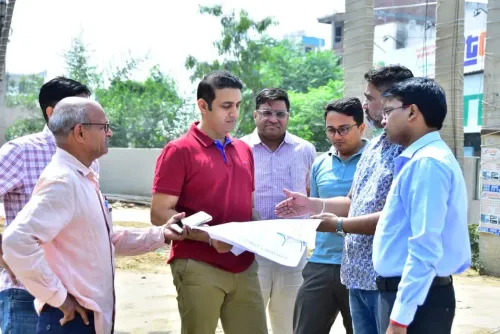
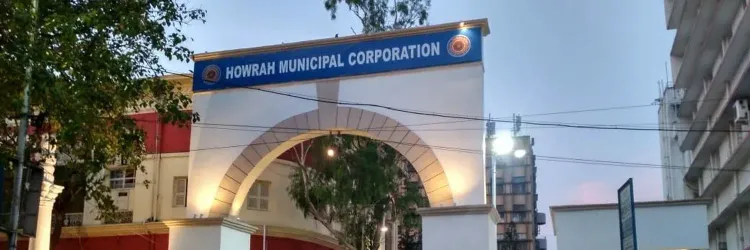
The Howrah Municipal Corporation (HMC) and the Howrah Division of Eastern Railway (ER) held a high-level coordination meeting on Thursday, 20 August 2026, to jointly address decades-old waterlogging in the rail yard outside Howrah station — a recurring monsoon crisis that has disrupted train services and caused repeated cancellations. The meeting marks a significant shift in civic-rail relations under the new state government in West Bengal.
What Was Discussed
Senior officials from both sides deliberated on building an integrated, long-term drainage network covering Howrah and adjoining areas, including railway premises. According to a senior ER official, discussions centred on 'developing a technically sound drainage network with particular emphasis on preventing waterlogging during heavy rainfall, improving drainage capacity, strengthening pumping arrangements, and ensuring effective disposal of excess water.'
The review covered water flow entering railway premises from adjacent municipal zones, waterlogging at Limited Height Subway (LHS) locations, and multiple drainage bottlenecks across the area.
Joint Inspections and Drain Mapping Planned
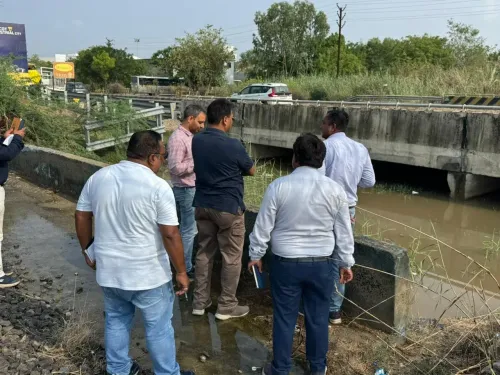
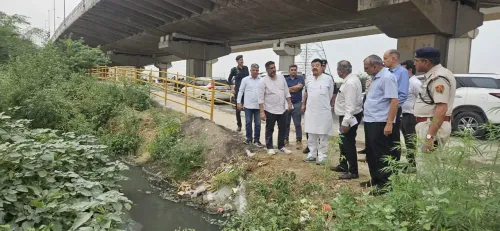
Officials agreed to conduct detailed joint inspections by Eastern Railway, the West Bengal state government, and HMC to identify root causes and trace water flow routes in affected parts of Howrah. The entire drainage circuit is to be systematically mapped — preferably up to its final outfall towards the Hooghly River — so that bottlenecks can be identified and addressed in a coordinated manner.
The pumping stations at Mainakpara and Golabari were specifically reviewed, with officials agreeing to examine the feasibility of additional pumping capacity at critical locations. The Howrah Division has already deployed an online automated pumping monitoring system that tracks operational status and water levels in real time, enabling faster diagnosis and timely intervention during heavy rainfall.
Key Locations Under Review
Drainage arrangements around Rani Jheel, Bamangachi, and Liluah were reviewed with emphasis on enhancing water outflow and buffering capacity. Officials also discussed strengthening the drainage connection towards Kona More, with a suitable outfall to the Hooghly, in coordination with the Kolkata Municipal Development Authority (KMDA) and other agencies.
Location-specific issues at Bally, Dobson Road, Church Road, Dasarath Ghosh Lane, Chandmari Bridge, and Tikiapara were also reviewed. Proposals included using ponds and jheels for temporary water retention and deploying drone-based monitoring of outfalls.
Why the Problem Has Persisted
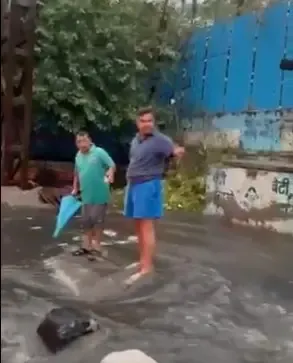
Howrah's drainage network is a legacy system, much of it clogged with garbage and silt accumulated over decades. During the monsoons, restricted water flow causes backflow into low-lying areas such as the Howrah carshed and yard. EMU local trains parked at the carshed have suffered motor damage due to subsidence, requiring costly repairs, while maintenance of long-distance trains has also been hampered.
Notably, the railways had repeatedly raised complaints with the HMC in the past, but those were reportedly brushed aside. The change in state government is now seen as an opening for genuine inter-agency cooperation.
What Comes Next
Both sides have agreed to work systematically on drainage lines to build a sustainable, integrated network — improving pumping and water-discharge capacity and ensuring effective management during heavy rainfall events. The joint inspections are expected to determine the exact scope of infrastructure upgrades required, with agencies including KMDA set to be part of the coordinated effort.
Point of View
Damaged EMU motors, and repeated train cancellations before a formal coordination meeting was held says something about how India's civic-rail interface has historically functioned — each agency protecting its turf while passengers bear the cost. The real test now is not the meeting itself but whether the joint inspections translate into funded, time-bound infrastructure work. Integrated drainage plans in Indian cities have a long history of being agreed upon and then quietly shelved. With monsoon windows narrow and Howrah's legacy network badly silted, the margin for another cycle of deliberation without action is thin.
NationPress
21 Aug 2026
Frequently Asked Questions
Why does Howrah station face waterlogging every monsoon?
Howrah station's rail yard and carshed flood regularly because the city's legacy drainage network is heavily clogged with silt and garbage, restricting water flow and causing backflow into low-lying railway areas. The problem is compounded by a lack of coordinated drainage management between Eastern Railway and the Howrah Municipal Corporation.
What was decided at the 20 August 2026 meeting between Eastern Railway and HMC?
Officials agreed to conduct joint inspections to map drainage routes and identify bottlenecks, review pumping capacity at Mainakpara and Golabari, and develop an integrated long-term drainage network with outfall to the Hooghly River. Drone-based monitoring of outfalls and use of ponds for temporary water retention were also proposed.
How has waterlogging affected train services at Howrah?
Waterlogging at the Howrah carshed has caused motor damage to parked EMU local trains due to subsidence, requiring repairs and disrupting services. Maintenance of long-distance trains has also been hampered, and the flooding has led to train cancellations during heavy monsoon rainfall.
What is the role of the new West Bengal government in resolving this issue?
According to reports, the change in state government has created an environment more conducive to cooperation between the Howrah Municipal Corporation and Eastern Railway. Previously, the railways' complaints to HMC were reportedly set aside; the new administration is seen as willing to engage constructively on the issue.
Which other agencies are involved in fixing Howrah's drainage problem?
Beyond Eastern Railway and HMC, the Kolkata Municipal Development Authority (KMDA) and the West Bengal state government are part of the coordinated effort. Officials plan joint inspections across all agencies to trace the full drainage circuit from Howrah's affected areas to the Hooghly River outfall.