Bengal Minister backs police encounters with poem amid Gaighata, Samserganj killings
Synopsis
A sitting West Bengal cabinet minister wrote and posted a poem titled 'Encounter' within hours of two accused men being shot dead by police in separate districts — with the Chief Minister having already declared police have a 'free hand' on crime. The speed and openness of political endorsement for the encounter killings is the story within the story.
Key Takeaways
Agnimitra Paul , West Bengal's Municipal Affairs and Urban Development Minister , posted a poem titled 'Encounter' on 28 October 2026 , indirectly backing two police encounter killings.
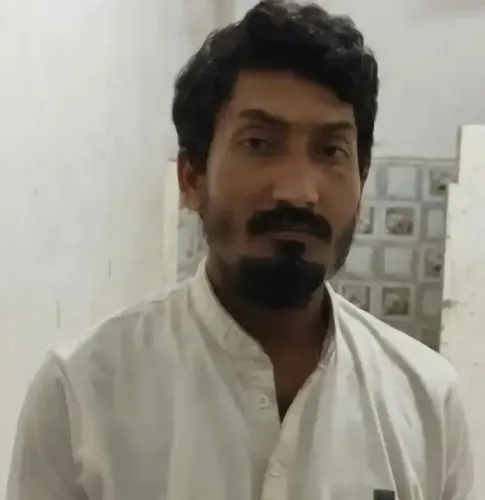
The first encounter at Gaighata, North 24 Parganas , killed Prahlad Das , accused in the rape-murder of a minor girl.
The second encounter at Samserganj, Murshidabad , killed Samiul Sheikh , accused of murdering a local BJP leader.
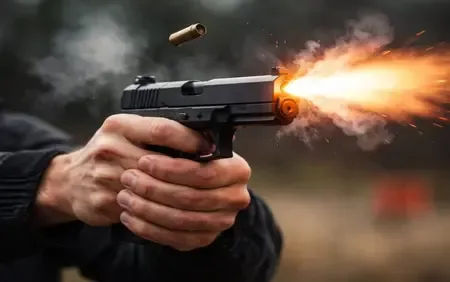
In both cases, police stated the accused snatched firearms and fired at officers before being killed in retaliatory fire.
Chief Minister Suvendu Adhikari has reportedly given police a 'free hand' to tackle crime against women and narcotics trafficking.
Both deaths are expected to trigger mandatory judicial and magisterial inquiries under Supreme Court guidelines on encounter killings.
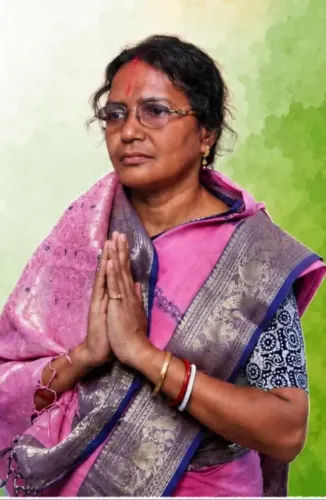
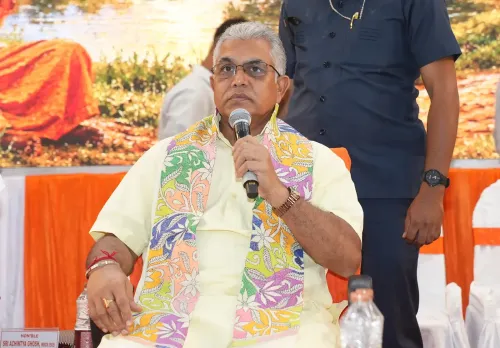
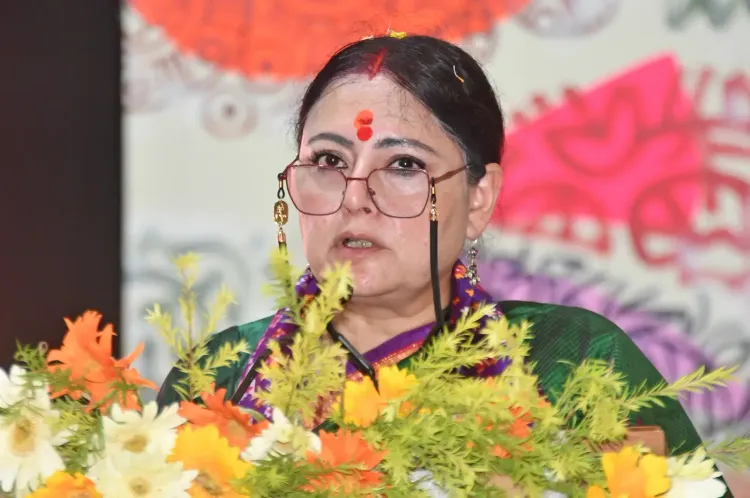
West Bengal cabinet minister Agnimitra Paul on Tuesday, 28 October 2026, posted a poem on her social media handle titled 'Encounter', indirectly endorsing police action following twin encounters in the state — one at Gaighata in North 24 Parganas district and another at Samserganj in Murshidabad district. Paul, who holds the portfolio of State Municipal Affairs and Urban Development and is also an acclaimed fashion designer, wrote the verses in Bengali without explicitly naming the incidents, though the timing left little ambiguity.
What the poem said
In the opening lines, Paul wrote: 'Let crime stop and let people live. Let the darkness of fear go away, and let the hand that is responsible for people's safety prevent crime from happening again and again.' The second stanza argued that since there is no room for bowing to injustice, crime must be handled strictly. In the concluding lines, she wrote: 'Yet the value of courage is not small, and nothing is more important than the security of the people. May the strength of the state be on the side of the people, and may the morning of peace return to every home. We need firmness in suppressing crime, and hence there is no compromise on the security of the people.'
The two encounters: who was killed and why
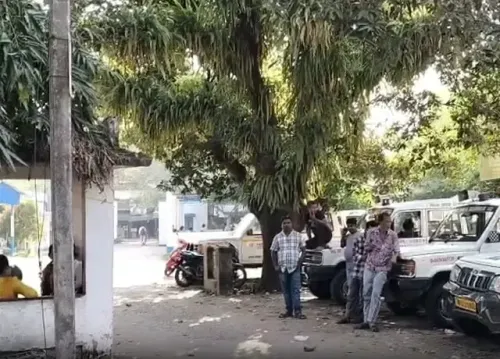
The first encounter took place on the intervening night of Monday and Tuesday at Gaighata, where Prahlad Das — an accused in the rape-murder of a minor girl — was killed. According to police, Das attempted to escape by snatching the firearm of an escorting officer and opened fire, prompting retaliatory fire.
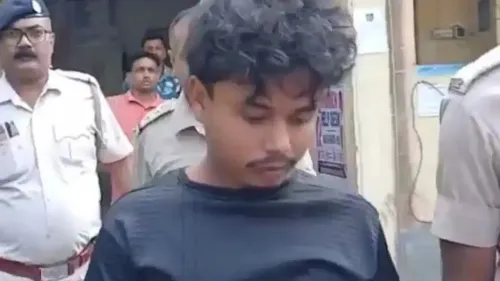
The second encounter occurred on Tuesday afternoon at Samserganj, where Samiul Sheikh — accused of murdering a local Bharatiya Janata Party (BJP) leader in Samserganj earlier this year — was shot dead under similar circumstances. In both cases, authorities stated the accused snatched police firearms and fired at on-duty officers before being killed in retaliatory fire.
Chief Minister's 'free hand' remarks
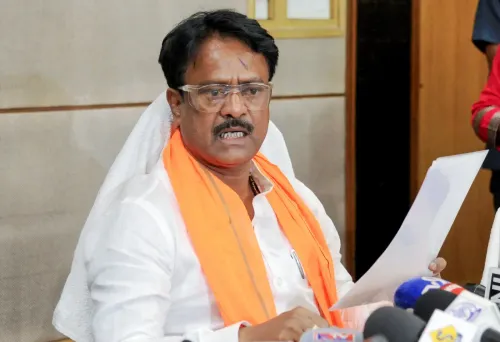
The minister's poem surfaced against the backdrop of remarks by Chief Minister Suvendu Adhikari, who reportedly claimed he had given the police a 'free hand' in tackling two specific social evils: crime against women and narcotics trafficking. This framing has drawn attention from civil liberties observers, given that encounter killings remain a contested area of law enforcement accountability in India.
Context and broader implications
Encounter killings by state police forces have long been subject to scrutiny from courts and human rights bodies across India, with the Supreme Court having laid down guidelines requiring mandatory investigations into every such death. The twin West Bengal encounters coming on the same day — and being followed so quickly by a cabinet minister's public endorsement through verse — marks an unusual convergence of executive sentiment and police action. Critics may argue that such public statements from ministers risk normalising extrajudicial outcomes before judicial processes have run their course. The state government's position, by contrast, is that the police acted in self-defence under clear threat.
What happens next
Both encounter deaths are expected to trigger mandatory magisterial and judicial inquiries under existing Supreme Court guidelines. How the state government responds to those processes will determine whether Tuesday's incidents remain isolated episodes or signal a broader shift in West Bengal's policing posture.
Frequently Asked Questions
Who is Agnimitra Paul and what did she post?
Agnimitra Paul is West Bengal's Minister for Municipal Affairs and Urban Development and a well-known fashion designer. She posted a Bengali poem titled 'Encounter' on her social media handle on 28 October 2026, with verses advocating firmness in suppressing crime — widely interpreted as an endorsement of the twin police encounter killings that occurred the same day.
What happened in the Gaighata and Samserganj encounters?
In Gaighata, North 24 Parganas, Prahlad Das — accused in the rape-murder of a minor girl — was killed on the intervening night of Monday and Tuesday after police say he snatched an officer's firearm and fired at them. In Samserganj, Murshidabad, Samiul Sheikh — accused of murdering a local BJP leader — was killed on Tuesday afternoon under similar circumstances.
What has Chief Minister Suvendu Adhikari said about police action?
Chief Minister Suvendu Adhikari has reportedly claimed he gave police a 'free hand' to tackle crime against women and narcotics trafficking in West Bengal. His remarks preceded the twin encounters and have been cited as setting the political tone for the police action.
Are these encounters legally valid? What oversight applies?
Under Supreme Court guidelines, every death in a police encounter mandates an independent magisterial inquiry and a judicial investigation. Both the Gaighata and Samserganj deaths are expected to trigger these processes. The legal validity of the encounters will hinge on those findings, not on the police's initial account.
Why is a minister backing police encounters significant?
Public endorsement of encounter killings by a sitting cabinet minister — before any independent inquiry — raises questions about executive influence over law enforcement accountability. In India, courts have repeatedly held that encounter killings must be investigated impartially, making any pre-emptive political validation a legally and constitutionally sensitive act.