Bhupender Yadav Chairs 46th CZA Meet in Coimbatore
Synopsis
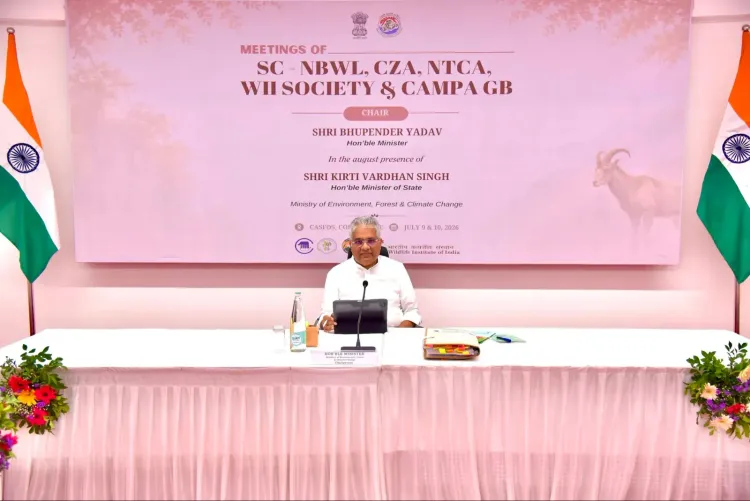
Union Environment Minister Bhupender Yadav chaired the 46th CZA meeting in Coimbatore on 9 July 2026, reviewing proposals for zoo modernisation, new facilities, visitor education, and conservation infrastructure to strengthen India's ex-situ wildlife conservation framework.
Key Takeaways
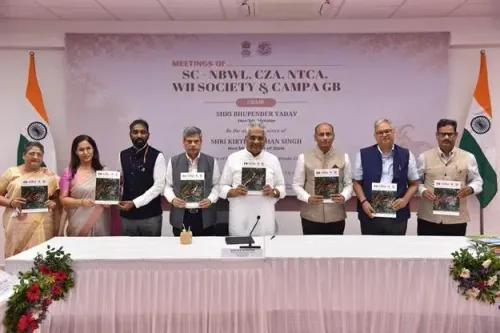
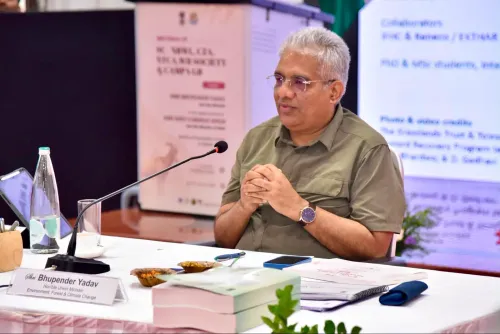
Union Environment Minister Bhupender Yadav chaired the 46th Meeting of the Central Zoo Authority in Coimbatore on 9 July 2026 .
The meeting reviewed proposals for modernisation of existing zoos and establishment of new zoological facilities across India.
Agenda items included visitor education improvements , scientific planning , and infrastructure development .
The CZA , constituted in 1992 under the Wildlife (Protection) Act, 1972, is the apex statutory body regulating Indian zoos.
The meeting reaffirms the mandate of the National Zoo Policy of 1998 , which repositioned Indian zoos as centres of conservation, education, and research.
Outcomes are expected to influence CZA guidelines and budget allocations for zoo development under the environment ministry.
Union Environment Minister Bhupender Yadav chaired the 46th Meeting of the Central Zoo Authority (CZA) in Coimbatore, Tamil Nadu, on 9 July 2026, reviewing a broad agenda of zoo modernisation, new facility establishment, and conservation-focused infrastructure development across India.
Context
The meeting, held in Coimbatore, brought together proposals spanning zoo modernisation, visitor education improvements, scientific planning, and infrastructure development. Yadav stated that the objective was to ensure Indian zoos 'continue to serve as centres of conservation, education and research' — language that echoes the foundational mandate of the National Zoo Policy of 1998.
The CZA is a statutory body constituted in 1992 under the Wildlife (Protection) Act, 1972, and functions under the Ministry of Environment, Forest and Climate Change. It is the apex regulatory authority setting standards for the operation and development of zoos across the country.
Policy Backdrop
India's zoo governance framework has evolved significantly since the colonial era, when zoological gardens were primarily recreational facilities. The National Zoo Policy of 1998 repositioned them as institutions of ex-situ conservation, scientific research, and public education — a shift that successive CZA meetings have progressively translated into regulatory standards and infrastructure norms.
India's zoo development agenda is also linked to the country's commitments under the Convention on Biological Diversity, which calls for ex-situ conservation measures to complement in-situ wildlife protection. The CZA's periodic reviews serve as the primary mechanism through which the central government exercises oversight over state-run zoological facilities.
The 46th meeting continues this pattern of incremental regulatory review, with the ministry signalling attention to both physical infrastructure and the educational role that modern zoos are expected to play for millions of visitors annually.
Stakeholders and Impact
State zoo authorities across India are the primary stakeholders, as CZA decisions directly govern standards, funding eligibility, and operational guidelines for facilities under their management. Wildlife researchers and conservation biologists also have a stake in the scientific planning and conservation breeding frameworks that emerge from such meetings.
For the general public, improved visitor education infrastructure at zoos translates into a more meaningful engagement with wildlife conservation. India's major zoos collectively receive tens of millions of visitors each year, making them significant platforms for public awareness on biodiversity.
What's Next
Attention will now turn to the rollout of any modernisation projects approved or advanced at the 46th CZA meeting, as well as any new technical guidelines the authority may issue on enclosure design, conservation breeding protocols, or digital visitor engagement. Budget allocations within the environment ministry for zoo development will be a key indicator of how quickly approved proposals are implemented.
The ministry's focus on scientific planning and infrastructure at this meeting suggests that updated CZA guidelines could be in the pipeline, potentially reshaping standards for both existing zoos and new zoological facilities proposed by state governments.
Frequently Asked Questions
What is the Central Zoo Authority of India?
The Central Zoo Authority (CZA) is a statutory body established in 1992 under the Wildlife (Protection) Act, 1972, functioning under the Ministry of Environment, Forest and Climate Change. It regulates and sets standards for the operation, development, and conservation activities of zoos across India.
What was discussed at the 46th CZA meeting in Coimbatore?
The 46th CZA meeting chaired by Union Environment Minister Bhupender Yadav on 9 July 2026 reviewed proposals for zoo modernisation, establishment of new zoological facilities, improved visitor education, scientific planning, and infrastructure development to strengthen Indian zoos as conservation and research centres.
Why was the CZA meeting held in Coimbatore?
The 46th CZA meeting was held in Coimbatore, Tamil Nadu, on 9 July 2026. The post does not specify the precise reason for the Coimbatore venue, but such meetings are periodically held across different cities as part of the authority's national outreach.
What is India's National Zoo Policy?
India's National Zoo Policy was adopted in 1998 to reposition zoological gardens from colonial-era recreational facilities to modern institutions focused on ex-situ conservation, scientific research, and public education on biodiversity.
How do CZA meetings affect state zoos in India?
CZA meetings set regulatory standards, approve modernisation proposals, and issue technical guidelines that state zoo authorities must follow. Decisions from these meetings directly influence funding eligibility, enclosure standards, conservation breeding programmes, and visitor facilities at zoos managed by state governments.