Bhupender Yadav chairs CZA meet on zoo modernisation, CSR funds
Synopsis
The 46th CZA meeting chaired by Bhupender Yadav in Coimbatore moved well beyond routine administration — tabling a biobank network proposal, a national wildlife health policy, and a push to channel CSR funds into zoo infrastructure. Taken together, these signal a structural shift in how India plans to govern and finance its zoological parks.
Key Takeaways
Bhupender Yadav chaired the 46th Central Zoo Authority (CZA) meeting in Coimbatore on 9 July .
The meeting reviewed proposals for National Zoological Park modernisation , new zoological facilities, and infrastructure development.
A concept note from CCMB-LaCONES for a network of animal biobanks with reproductive technologies was discussed to support conservation breeding.
A National Wildlife Health Policy Concept Paper was proposed to address emerging wildlife health challenges.
The report on CSR fund use and resource mobilisation for zoos was tabled; CITES enforcement on non-native species also came up.
Yadav earlier inaugurated a tiger reintroduction workshop in Alwar, Rajasthan , marking 18 years of tiger reintroduction in Sariska.
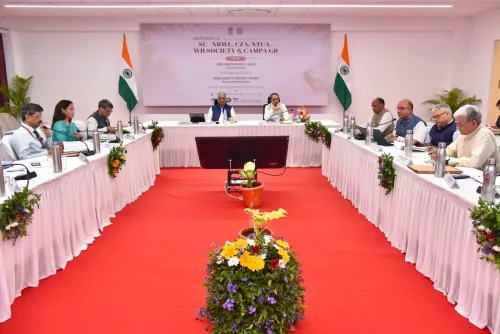
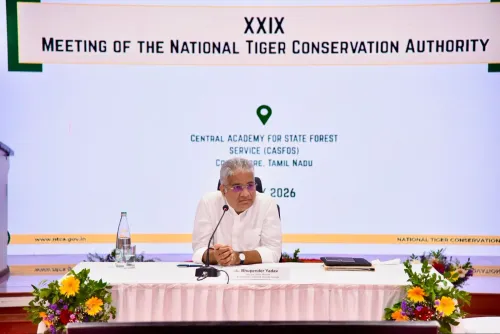
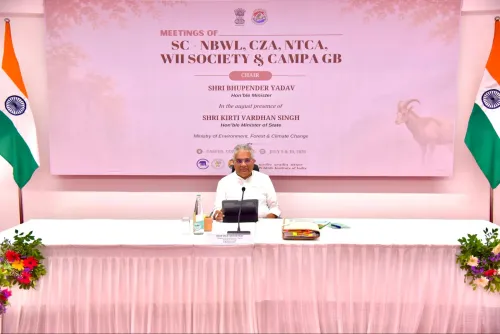
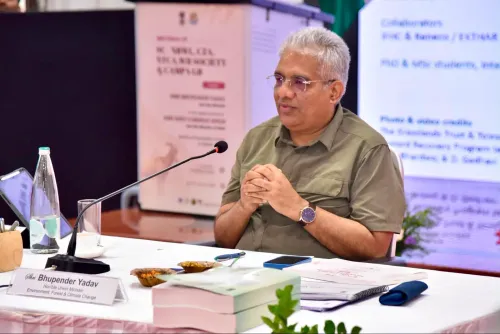
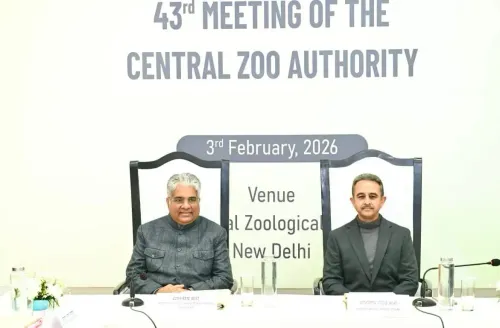
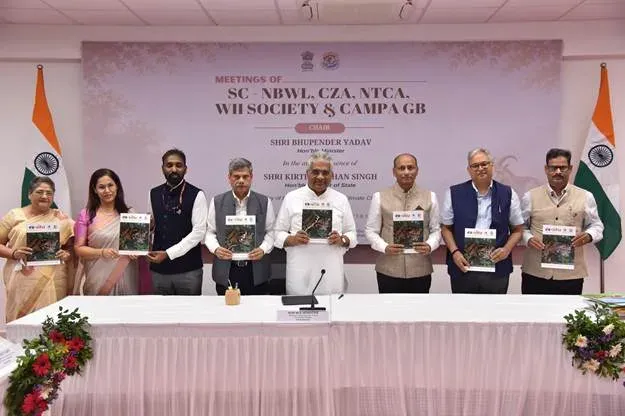
Union Minister for Environment, Forest and Climate Change Bhupender Yadav on Thursday, 9 July chaired the 46th Meeting of the Central Zoo Authority (CZA) in Coimbatore, deliberating on the modernisation of the National Zoological Park, the deployment of CSR funds, and broader resource mobilisation strategies for zoos across India. The minister also released the CZA's latest newsletter, spotlighting milestones in conservation breeding, wildlife health, and scientific management.
Key Deliberations at the CZA Meeting
The governing body reviewed proposals covering the modernisation of existing zoo infrastructure, the establishment of new zoological facilities, enhanced visitor education programmes, and scientific planning frameworks. The overarching goal, according to an official statement, is to ensure Indian zoos continue to function as centres of conservation, education, and research.
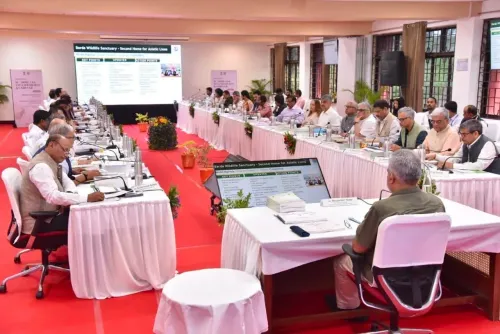
A significant agenda item was the second cycle of the Management Effectiveness Evaluation of zoos, carried out by six evaluation teams. This periodic assessment is designed to benchmark operational standards and identify gaps across the country's zoological network.
Biobanks, Veterinary Protocols, and Wildlife Health
Yadav discussed a concept note submitted by CCMB-LaCONES proposing a network of animal biobanks integrated with reproductive technologies to strengthen conservation breeding programmes in Indian zoos. The proposal, if approved, could significantly expand the genetic toolkit available to wildlife managers.
The meeting also took up Standard Operating Procedures (SOPs) for Zoo Veterinarians and Animal Handlers — a move aimed at standardising care protocols nationwide. Separately, a National Wildlife Health Policy Concept Paper was proposed to address emerging challenges in wildlife health management, signalling a more structured policy approach to zoo-based animal welfare.
CSR Funds, CITES Enforcement, and Resource Mobilisation
A dedicated committee report on the use of CSR funds and resource mobilisation for zoos was tabled and discussed. The deliberations also covered the unauthorised possession and display of non-native wild animal species listed under the appendices of CITES (Convention on International Trade in Endangered Species), with a focus on enforcing existing legal provisions more rigorously.
Tiger Reintroduction Workshop in Rajasthan
Earlier in July, Yadav inaugurated a National Workshop on 'Tiger Re-introduction: Opportunities and Challenges' in Alwar, Rajasthan, marking 18 years of tiger reintroduction in Sariska. In a post on X, Yadav said: 'On a day marking 18 years of tiger reintroduction in Sariska, I inaugurated the workshop on Tiger Re-introduction: Opportunities and Challenges, along with Rajasthan Minister @Sanjay4India1ji.'
The workshop brought together field directors, wildlife experts, and chief wildlife wardens from tiger landscapes across India to discuss key management aspects of tiger reintroduction and augmentation programmes. The event underscores the Centre's renewed emphasis on big-cat conservation as a national priority.
With the CZA meeting's outcomes expected to shape zoo policy through financial year 2026-27 and beyond, the next steps will hinge on how quickly proposals — particularly the biobank network and the wildlife health policy — move from concept to implementation.
Point of View
If implemented, would be among the most technically ambitious steps India has taken in ex-situ conservation — yet concept notes have languished before. The push to route CSR funds into zoo infrastructure is pragmatic given fiscal constraints, but without a transparent allocation framework, it risks becoming an uneven patchwork. The CITES enforcement discussion is overdue; non-native species in private and semi-public display has been a regulatory blind spot for years. Whether these deliberations translate into notified policy or remain meeting minutes will be the real test.
NationPress
8 Oct 2026
Frequently Asked Questions
What was discussed at the 46th Central Zoo Authority meeting?
The 46th CZA meeting, chaired by Bhupender Yadav in Coimbatore on 9 July, covered the modernisation of the National Zoological Park, use of CSR funds, animal biobank proposals, Standard Operating Procedures for zoo veterinarians, a National Wildlife Health Policy concept paper, and CITES enforcement on non-native species.
What is the CCMB-LaCONES animal biobank proposal?
It is a concept note proposing a network of animal biobanks equipped with reproductive technologies to support conservation breeding programmes across Indian zoos. The proposal was discussed at the 46th CZA meeting and, if approved, would expand the genetic resources available to wildlife managers in India.
Why is the use of CSR funds being discussed for Indian zoos?
A committee report on channelling Corporate Social Responsibility funds into zoo development and resource mobilisation was tabled at the CZA meeting. The discussion reflects the need for supplementary funding sources as Indian zoos seek to modernise infrastructure and improve visitor education beyond government allocations.
What is the significance of the tiger reintroduction workshop in Alwar?
The National Workshop on 'Tiger Re-introduction: Opportunities and Challenges', inaugurated by Yadav in Alwar, Rajasthan, marked 18 years of tiger reintroduction in Sariska. It brought together field directors, wildlife experts, and chief wildlife wardens from tiger landscapes across India to discuss management and augmentation strategies.
What is the Management Effectiveness Evaluation of zoos?
It is a periodic assessment conducted by evaluation teams to benchmark operational and conservation standards across Indian zoos. The second cycle of this evaluation was reviewed at the 46th CZA meeting, with six teams involved in the process.