SC-NBWL 91st meet reviews 118 proposals, flags wildlife safeguards
Synopsis
India's top wildlife clearance body reviewed a record 118 development proposals in a single sitting — from defence infrastructure to mining — while simultaneously debating survival strategies for the Great Indian Bustard and the Pygmy Hog. The dual agenda captures the central tension in India's environmental governance: clearing the path for growth without closing it for wildlife.
Key Takeaways
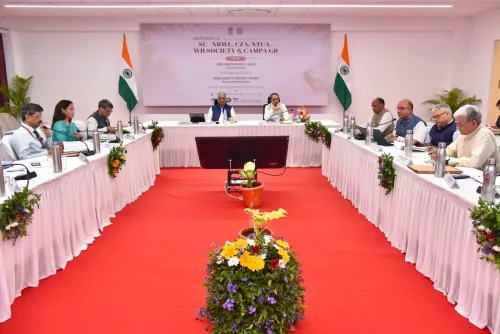
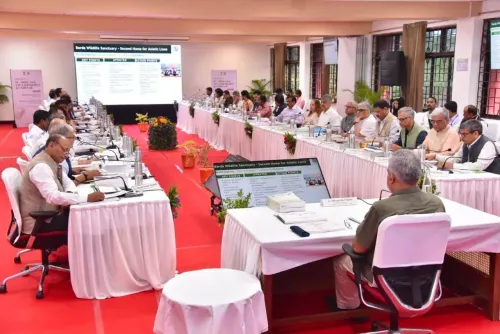
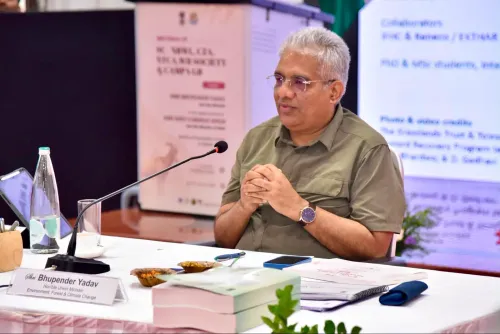
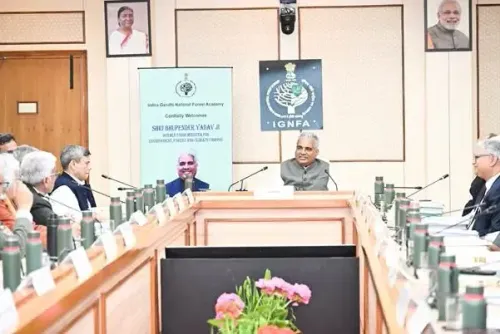
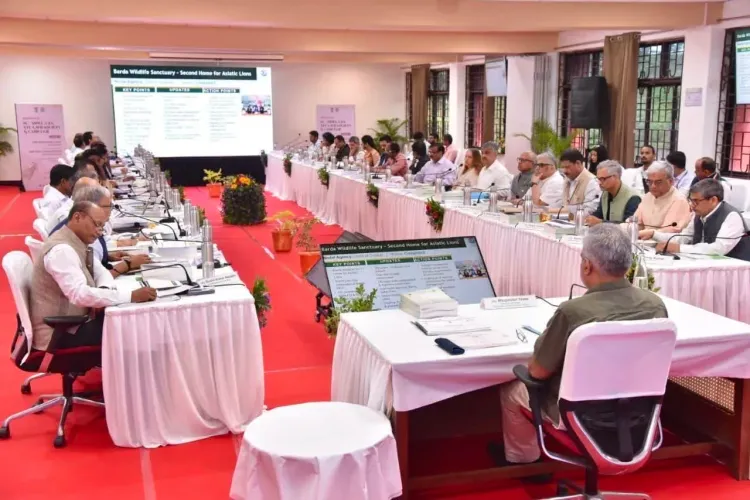
The SC-NBWL's 91st meeting was held in Coimbatore on 9 July , chaired by Union Minister Bhupender Yadav .
118 proposals covering roads, defence, mining, power lines, and other sectors were reviewed for wildlife clearance.
Conservation strategies for the Greater One-horned Rhinoceros , Great Indian Bustard , and inclusion of the Pygmy Hog in the Species Recovery Programme were discussed.
Scientific publications on the Rhinoceros , Sloth Bear , and Great Indian Bustard were released at the meeting.
Progress on decisions from the 7th NBWL meeting , chaired by the Prime Minister , was also reviewed.
The Standing Committee of the National Board for Wildlife (SC-NBWL) on Thursday, 9 July underscored that development projects of national importance must be implemented with robust safeguards to minimise adverse impacts on wildlife and their habitats, in line with the Wild Life (Protection) Act, 1972, and all applicable environmental regulations.
Key Developments at the 91st Meeting
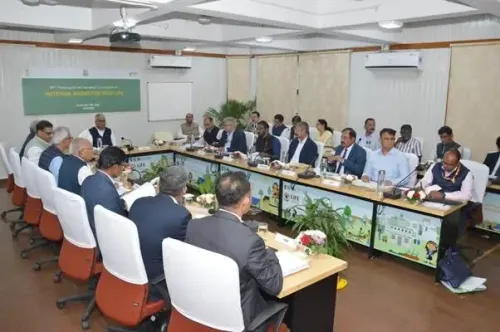
The committee's 91st meeting, held in Coimbatore, was chaired by Union Minister for Environment, Forest and Climate Change Bhupender Yadav. A total of 118 proposals from across the country were placed before the panel, spanning sectors including roads and bridges, defence infrastructure, drinking water supply, communication towers, power transmission lines, optical fibre networks, pipelines, mining, renewable energy, educational institutions, and other essential public works — all requiring wildlife clearance under the Act.
Each proposal was assessed on the basis of its ecological impact, public welfare significance, and the adequacy of proposed mitigation measures to protect wildlife and their habitats.
Species Conservation on the Agenda
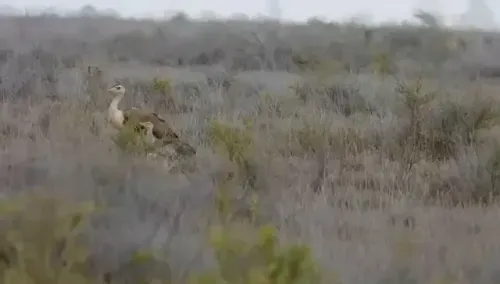
Beyond infrastructure clearances, the meeting addressed several critical wildlife conservation priorities. The long-term conservation strategy for the Greater One-horned Rhinoceros, anchored in the Rhino DNA Indexing System, was discussed alongside the future conservation roadmap for the Great Indian Bustard — a critically endangered species. The inclusion of the Pygmy Hog under the Species Recovery Programme was also taken up.
The SC-NBWL reviewed progress on conservation programmes for threatened species and released scientific publications on the Rhinoceros, Sloth Bear, and Great Indian Bustard. Notably, the committee also assessed the progress of decisions taken at the seventh meeting of the National Board for Wildlife (NBWL), which was chaired by the Prime Minister.
What the Government Said
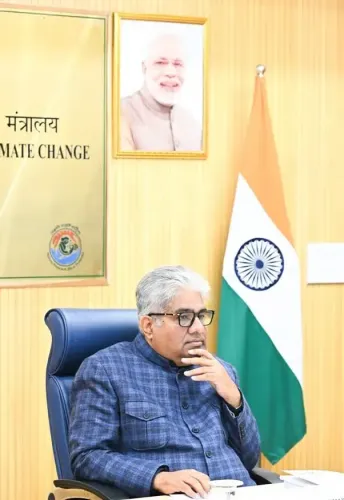
Addressing the gathering, Yadav emphasised that wildlife conservation remains central to India's environmental governance framework. He called for scientific planning, habitat connectivity, and effective mitigation measures to guide all decision-making on projects located in or near wildlife habitats.
Yadav also stressed the need for solution-based policy interventions that integrate technological and sociological research with traditional ecological knowledge. In a post on X, he wrote: 'Apart from 118 proposals related to infrastructure and defence received from state governments, programmes and policies related to species conservation, active management of tiger populations, and progress of projects emanating from the NBWL meeting were reviewed and discussed at length.'
Why This Matters
The SC-NBWL serves as the primary statutory body for granting wildlife clearances in India, making its decisions pivotal for both infrastructure development and ecological preservation. With 118 proposals reviewed in a single sitting — covering everything from defence corridors to mining operations — the meeting reflects the growing pressure on protected areas and wildlife habitats from accelerating development demands.
This comes amid sustained concerns from conservationists about habitat fragmentation and the pace of clearances granted to projects within or near ecologically sensitive zones. The committee's emphasis on mitigation and scientific planning signals an intent to balance development imperatives against conservation obligations.
What Comes Next
Decisions on the reviewed proposals are expected to be communicated to respective state governments in the coming weeks. The integration of the Pygmy Hog into the Species Recovery Programme and the updated conservation strategies for the Great Indian Bustard and the Greater One-horned Rhinoceros are likely to shape on-ground interventions in the near term.
Point of View
But the real accountability question is what percentage of these 118 proposals are approved, conditionally approved, or rejected, and on what grounds. India has a pattern of granting clearances with mitigation conditions that are rarely monitored post-approval. Until the SC-NBWL publishes outcome data — clearance rates, compliance audits, habitat impact assessments — the conservation language risks being process without consequence.
NationPress
9 Oct 2026
Frequently Asked Questions
What is the SC-NBWL and what does it do?
The Standing Committee of the National Board for Wildlife (SC-NBWL) is India's statutory body responsible for granting wildlife clearances to development projects in and around protected areas. It operates under the Wild Life (Protection) Act, 1972, and evaluates proposals based on ecological impact, public welfare, and adequacy of mitigation measures.
How many proposals were reviewed at the 91st SC-NBWL meeting?
The committee reviewed 118 proposals at its 91st meeting held in Coimbatore on 9 July. These covered a wide range of sectors including roads, defence infrastructure, mining, power transmission, and renewable energy projects.
What wildlife species were discussed at the meeting?
The meeting addressed conservation strategies for the Greater One-horned Rhinoceros using the Rhino DNA Indexing System, the future of the Great Indian Bustard, and the inclusion of the Pygmy Hog under the Species Recovery Programme. Scientific publications on the Rhinoceros, Sloth Bear, and Great Indian Bustard were also released.
Who chaired the 91st SC-NBWL meeting?
The meeting was chaired by Union Minister for Environment, Forest and Climate Change Bhupender Yadav, and was held in Coimbatore on 9 July.
What did Bhupender Yadav say about wildlife conservation?
Yadav emphasised that wildlife conservation is central to India's environmental governance, calling for scientific planning, habitat connectivity, and effective mitigation measures. He also stressed the need for policy interventions combining technology, sociological research, and traditional ecological knowledge.