Bhupender Yadav Launches NCM 2.0 Guidelines for Coastal Resilience
Synopsis
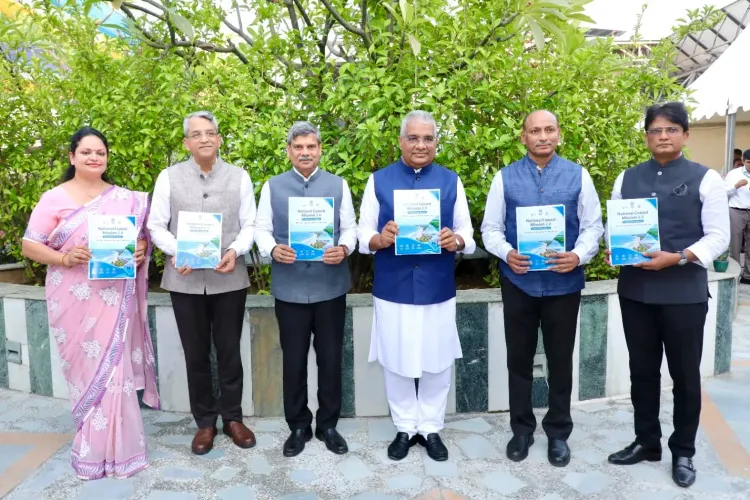
Union Environment Minister Bhupender Yadav launched the Scheme Implementation Guidelines for National Coastal Mission 2.0 on September 30, 2026, a central sector scheme linking climate resilience, coastal ecosystem management, and sustainable Blue Economy activities across India's 7,500 km coastline.
Key Takeaways
NCM 2.0 is a central sector scheme, giving the Union government direct administrative and financial control over coastal climate adaptation.
The mission targets three pillars: ecological management of coastal ecosystems, climate vulnerability assessment and adaptation , and sustainable Blue Economy promotion.
Implementation follows a phased approach , sequencing vulnerability mapping before broader economic interventions.
NCM 2.0 builds on the lineage of the National Action Plan on Climate Change (2008) and the Integrated Coastal Zone Management Project (2010) .
Primary beneficiaries include coastal communities, the fisheries sector , and state coastal zone authorities across India's maritime states.
The launch of implementation guidelines is the first step; state-level action plans and on-ground projects will determine the scheme's real-world impact.
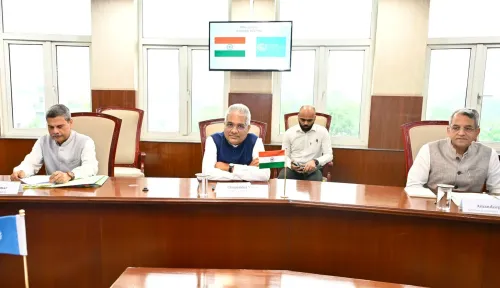
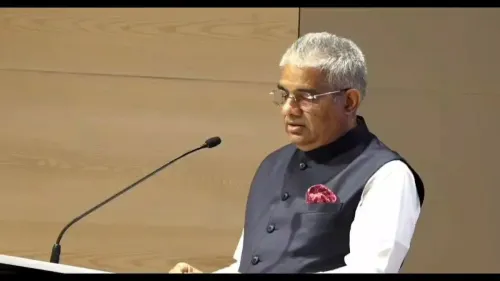
India's 7,500-kilometre coastline just got a policy upgrade. Union Environment Minister Bhupender Yadav on Wednesday, September 30, 2026, launched the Scheme Implementation Guidelines of the National Coastal Mission 2.0 (NCM 2.0) — a central sector scheme designed to fortify coastal communities against climate shocks while unlocking sustainable economic opportunity from the sea.
What NCM 2.0 Actually Does for India's Coasts
At its core, NCM 2.0 is built around three interlocking pillars: ecological management of productive coastal ecosystems, climate resilience through structured vulnerability assessments, and the promotion of sustainable Blue Economy activities for coastal regions. The scheme will roll out in a phased manner, meaning vulnerability mapping, adaptation strategies, and mitigation measures come before broader economic interventions — a sequencing that reflects hard lessons from earlier, less coordinated coastal programmes.
Minister Yadav described the mission as aiming to 'enhance the resilience and sustainability of India's coastal regions and transform the coastal marine sector through sound ecological management.' The framing is deliberate: this is not merely an environmental conservation exercise, but a growth agenda tethered to ecological discipline.
From NAPCC Roots to a Blue Economy Mandate
NCM 2.0 does not emerge from a vacuum. India's National Action Plan on Climate Change (2008) first identified coastal and marine ecosystem protection as a national priority, listing it among eight mission areas. The subsequent Integrated Coastal Zone Management Project (2010 onwards), supported by international development financing, brought vulnerability mapping and sustainable coastal practices to select states — but coverage remained patchy and funding fragmented.
NCM 2.0 represents a consolidation and elevation of that lineage. By designating it a central sector scheme, the Ministry of Environment, Forest and Climate Change retains direct administrative and financial control, signalling that coastal climate adaptation is now a Union priority rather than a state-discretion matter. The explicit linkage to the Blue Economy agenda — fisheries, aquaculture, coastal tourism, maritime logistics — also marks a departure from purely conservationist framing toward a model where ecological health and economic productivity are designed to reinforce each other.
Who Stands to Gain — and What Happens Next
The immediate beneficiaries are coastal communities, the fisheries sector, and state coastal zone authorities across India's maritime states. Sea-level rise, cyclonic intensification, and coastal erosion have accelerated pressure on these populations, making structured vulnerability assessments not just useful but urgent.
The launch of the implementation guidelines is the starting gun, not the finish line. State-level action plans, vulnerability assessment reports, and specific adaptation projects will define whether NCM 2.0 delivers on its mandate or joins a long list of well-intentioned coastal schemes that faltered at execution. The Ministry's phased rollout approach suggests it is aware of that risk — the question is how quickly the guidelines translate into ground-level change for the fishing villages and estuarine communities that need it most.
India's coastal climate architecture just got its clearest blueprint yet. Whether it holds against the next cyclone season is the real test.
Point of View
The Union government is consolidating control over a policy domain that had previously been diffuse and state-dependent, which will test federal coordination. The phased vulnerability-first approach is technically sound but administratively demanding, and the scheme's credibility will ultimately rest on how quickly state-level implementation plans materialise. With India's coastal populations facing compounding climate risks, NCM 2.0 lands at a moment when the cost of another incomplete rollout is politically and ecologically unaffordable.
NationPress
30 Sept 2026
Frequently Asked Questions
What is National Coastal Mission 2.0?
National Coastal Mission 2.0 is a central sector scheme launched by the Union Environment Ministry to enhance the resilience of India's coastal regions through ecological management, climate adaptation, and sustainable Blue Economy activities, implemented in a phased manner.
Who launched NCM 2.0 and when?
Union Environment Minister Bhupender Yadav launched the Scheme Implementation Guidelines of NCM 2.0 on September 30, 2026.
What is the Blue Economy connection in NCM 2.0?
NCM 2.0 explicitly promotes sustainable Blue Economy activities — such as fisheries, aquaculture, and coastal enterprise — as part of its mandate, framing ecological health and coastal economic productivity as mutually reinforcing goals.
How is NCM 2.0 different from the original National Coastal Mission?
NCM 2.0 is designated as a central sector scheme, giving the Union government direct funding and administrative control, and more explicitly integrates climate vulnerability assessments, adaptation planning, and Blue Economy linkages compared to earlier coastal programmes.
Who benefits from India's National Coastal Mission 2.0?
Coastal communities, the fisheries sector, and state coastal zone authorities across India's maritime states are the primary beneficiaries, particularly those facing risks from sea-level rise, cyclones, and coastal erosion.