Bihar Traffic Police bars constables, ASIs from vehicle checks in Patna
Synopsis
Bihar has quietly but significantly curtailed the powers of its lowest-ranked traffic officers — constables and ASIs can no longer stop or inspect vehicles. Paired with mandatory body cameras, a Kolkata-inspired road-stretch model, and DigiLocker acceptance, the overhaul is one of the most structural reforms to Bihar's traffic policing in recent years.
Key Takeaways
Bihar Police Headquarters on 31 July restricted vehicle inspection powers to Sub-Inspectors (SIs) and above — constables and ASIs are barred from conducting checks.
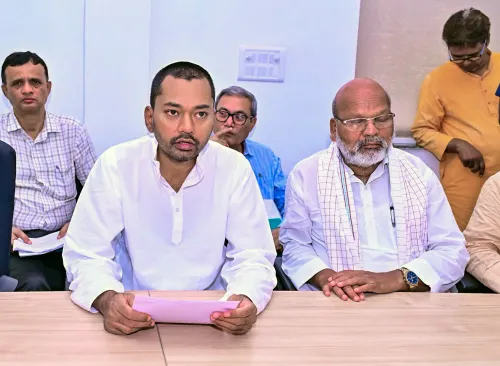
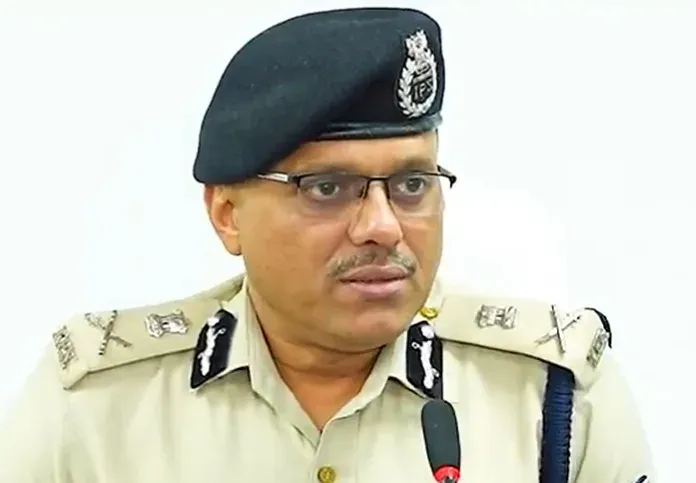
ADG (Traffic) Sudhanshu Kumar announced the directives at a press conference in Patna ; violations could invite immediate disciplinary action.
All traffic and inspection personnel must keep body-worn cameras switched on ; officers whose cameras are off during a disputed inspection bear personal responsibility.
Patna will pilot a 'Stretch Model' of traffic management inspired by Kolkata , with a QRT deployed to congestion hotspots.
DigiLocker documents will be accepted during inspections, removing the obligation to carry physical copies.
The 'Roko-Toko' campaign continues alongside intensified anti-encroachment drives on major roads.
Bihar Police Headquarters on 31 July announced sweeping changes to roadside vehicle inspections across the state, restricting the power to stop and check vehicles exclusively to Sub-Inspectors (SIs) and officers of higher rank. Constables and Assistant Sub-Inspectors (ASIs) will no longer be authorised to conduct such checks under any circumstances.
Key Directives Issued
The new instructions were announced by Additional Director General (Traffic) Sudhanshu Kumar at a press conference in Patna. Kumar stated unequivocally that police personnel below the rank of Sub-Inspector must not carry out vehicle inspections. Constables and ASIs will instead be redeployed to traffic regulation duties — managing congestion and ensuring smooth vehicular movement.
Bihar Police Headquarters will constitute a special inspection team to monitor compliance. Any constable or ASI found conducting unauthorised vehicle checks, or against whom a complaint is received, could face immediate disciplinary action.
Body Cameras and Supervisory Presence Made Mandatory
The department has made it mandatory for all traffic and inspection personnel on duty to keep their body-worn cameras switched on at all times. If a camera is found switched off during an inspection and a dispute subsequently arises with a motorist, the responsibility will rest with the concerned officer. Supervisory officers have also been directed to remain physically present on roads during peak traffic hours, rather than managing operations solely from their offices.
Patna to Pilot Kolkata-Inspired 'Stretch Model'
Bihar Traffic Police will initially roll out a 'Stretch Model' in Patna, modelled on the traffic management system followed in Kolkata. Under this approach, personnel will be assigned responsibility for an entire stretch of road rather than a single traffic point, enabling continuous monitoring and faster intervention when congestion builds. A Quick Response Team (QRT) will be dispatched immediately to locations reporting significant traffic jams.
If the pilot delivers satisfactory results in Patna, the model may be extended to other parts of Bihar. Officials noted that several areas of Patna are currently under traffic pressure due to ongoing Metro construction, prompting one-way traffic arrangements at multiple locations.
DigiLocker Documents to Be Accepted; 'Roko-Toko' Campaign to Continue
In a move aimed at reducing inconvenience for motorists, documents available through DigiLocker will now be accepted during vehicle inspections, eliminating the need to carry physical copies of legally recognised digital documents. The department will also continue regular inspections under the 'Roko-Toko' campaign.
Traffic police will intensify drives to remove encroachments from major roads, and officials will recommend measures such as no-parking zones, one-way systems, and road-clearance initiatives to relevant authorities wherever required.
What the Reforms Aim to Achieve
The combined set of measures is designed to make vehicle checking more transparent, reduce opportunities for arbitrary stops at lower ranks, and increase accountability among traffic personnel. This comes amid broader concerns in several Indian states about unchecked authority exercised by lower-ranked police personnel during roadside inspections. How effectively Bihar enforces these directives — particularly the body-camera mandate — will determine whether the reforms deliver meaningful change on the ground.
Point of View
Not the motorist. The real test, however, is enforcement. Bihar's track record on internal police discipline is mixed, and a special compliance team alone may not deter violations if the consequences remain notional. The Kolkata Stretch Model is a sound operational idea, but its success in Patna will hinge on whether supervisory officers actually leave their offices during peak hours — something the directive now formally requires but cannot guarantee.
NationPress
15 Sept 2026
Frequently Asked Questions
What is the new Bihar Traffic Police vehicle inspection rule?
Bihar Police Headquarters has directed that only Sub-Inspectors and officers of higher rank may stop and inspect vehicles. Constables and ASIs are no longer authorised to conduct vehicle checks and face disciplinary action if they do so.
Why has Bihar barred constables and ASIs from vehicle checks?
The reform is aimed at increasing transparency and reducing arbitrary roadside stops by lower-ranked personnel. It is part of a broader overhaul that also mandates body-worn cameras and supervisory presence on roads during peak hours.
What is the 'Stretch Model' that Bihar Traffic Police plans to introduce?
The Stretch Model, inspired by Kolkata's traffic management system, assigns officers responsibility for an entire stretch of road rather than a single traffic point. It will first be piloted in Patna, with possible expansion to other parts of Bihar if results are satisfactory.
Will DigiLocker documents be accepted during vehicle inspections in Bihar?
Yes. Bihar Traffic Police will now accept documents available through DigiLocker during inspections, meaning motorists are not required to carry physical copies of documents that are legally available on the digital platform.
What happens if a traffic officer's body camera is switched off during an inspection?
If a body-worn camera is found switched off during an inspection and a dispute subsequently arises with a motorist, the responsibility for the incident will rest with the concerned officer, according to the new directives.