CM Samrat Choudhary approves ₹11,200 cr loan guarantee for Bihar grain procurement
Synopsis
Bihar CM Samrat Choudhary's cabinet has approved a ₹11,200 crore state guarantee for the Bihar State Food and Civil Supplies Corporation, enabling uninterrupted food grain procurement at MSP across both rabi and kharif seasons in FY 2026-27 and ensuring timely payments to farmers.
Key Takeaways
Bihar cabinet approved a ₹11,200 crore state loan guarantee for the Bihar State Food and Civil Supplies Corporation on 18 November 2026 .
The guarantee covers food grain procurement operations across both the rabi and kharif marketing seasons of financial year 2026-27.
The move is designed to ensure the BSFCSC has sufficient liquidity to pay farmers at Minimum Support Price (MSP) without delays.
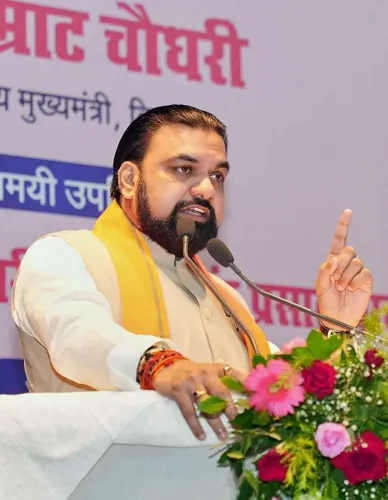
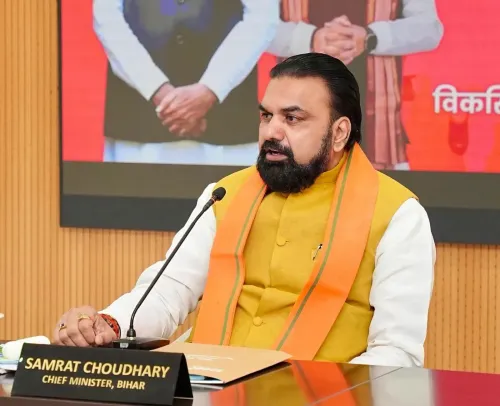
CM Samrat Choudhary said the decision will strengthen procurement systems and boost farmers' economic prosperity.
Bihar has extended similar sovereign guarantees in prior fiscal years; Indian states routinely use this mechanism to supplement central FCI procurement operations.
The real test will be procurement volumes and MSP realisation figures reported once the marketing seasons conclude.
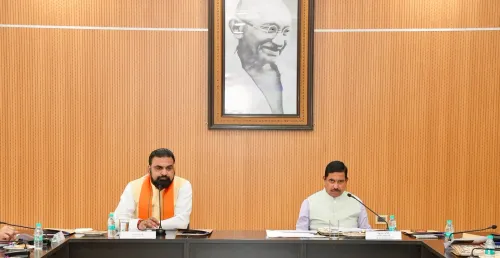
A ₹11,200 crore state guarantee — that is the size of the financial backstop Bihar Chief Minister Samrat Choudhary has just placed behind the state's food grain procurement machinery, in a cabinet decision announced on Wednesday, 18 November 2026. The move is designed to keep procurement operations running without interruption through both the rabi and kharif marketing seasons of financial year 2026-27.
What the cabinet approved — and why it matters to farmers
The state government has sanctioned a sovereign guarantee on a loan of ₹11,200 crore to the Bihar State Food and Civil Supplies Corporation (BSFCSC), the agency responsible for procuring, storing, and distributing food grains under Bihar's public distribution system. CM Choudhary stated that the decision will 'strengthen the food grain procurement system, ensure farmers receive a fair price for their produce, and give new momentum to their economic prosperity.'
In plain terms, the guarantee allows the corporation to borrow at scale from lenders — using the state's creditworthiness as collateral — so that it has the liquidity to pay farmers at Minimum Support Price (MSP) on time, rather than leaving them waiting weeks or months for cash. That delay risk is precisely what drives distress sales in procurement-heavy seasons. This guarantee eliminates it at the institutional level.
How Bihar's procurement guarantee fits a national pattern
Bihar is not writing a new playbook here — it is executing a well-established one. Indian states routinely extend sovereign guarantees to their food agencies to supplement central Food Corporation of India (FCI) operations, particularly as decentralised procurement has expanded over the past decade. The logic is simple: state corporations cannot always raise large short-term loans on their own balance sheets, but a state guarantee unlocks bank credit at scale and speed.
What is notable in this instance is the quantum — ₹11,200 crore — covering both rabi (winter crop, primarily wheat) and kharif (summer crop, primarily paddy) seasons within a single fiscal year. Bihar governments have extended similar guarantees in prior years, though exact historical figures are not on the public record. The scale here signals an intent to increase procurement volumes and widen the net of farmers who actually benefit from MSP operations, rather than being forced to sell to private traders at below-floor prices.
The road the guarantee must now travel
Approval is the first step. The measure's real test will be in execution: how quickly the BSFCSC draws down on the guaranteed facility, how efficiently procurement centres are activated in the rabi season that is already approaching, and whether the resulting volumes show up in higher MSP realisation for Bihar's farmers compared to previous years. Those procurement numbers, once the marketing seasons close, will be the true scorecard of this cabinet call.
Bihar's farm economy is dominated by smallholders for whom a gap of even a few weeks between harvest and payment can mean distress. Bridging that gap at ₹11,200 crore scale is, at minimum, a serious institutional commitment — and the kharif and rabi seasons ahead will show whether the commitment converts into cash in farmers' accounts.
Point of View
200 crore guarantee is a consequential but structurally routine instrument — its political significance lies in scale and timing, arriving as Bihar approaches a rabi procurement season with heightened farmer-welfare optics ahead of the state's political calendar. For CM Samrat Choudhary and the BJP in Bihar, anchoring the decision to MSP assurance directly targets the smallholder vote bloc that has been a persistent battleground between the NDA and Opposition parties. The broader policy arc is one of decentralised procurement expansion: states are progressively taking on more of the procurement burden that the FCI alone cannot absorb, and sovereign guarantees are the financial mechanism that makes that possible. The critical question is whether institutional approval translates into on-ground procurement efficiency — a gap that has historically undercut similar announcements in the state.
NationPress
18 Nov 2026
Frequently Asked Questions
What did the Bihar cabinet decide on 18 November 2026?
The Bihar cabinet approved a state guarantee on a loan of ₹11,200 crore for the Bihar State Food and Civil Supplies Corporation, enabling it to finance food grain procurement operations during both the rabi and kharif marketing seasons of FY 2026-27.
What is the Bihar State Food and Civil Supplies Corporation?
The Bihar State Food and Civil Supplies Corporation (BSFCSC) is a state government agency responsible for procuring, storing, and distributing food grains under Bihar's public distribution system, including MSP-based purchases from farmers.
How does a state loan guarantee help farmers?
A state guarantee allows the food corporation to borrow large sums from banks using the government's creditworthiness as collateral. This gives the agency the cash flow to pay farmers at Minimum Support Price on time, reducing the risk of distress sales to private traders at lower prices.
What are rabi and kharif marketing seasons?
Rabi refers to the winter crop season, primarily covering wheat, while kharif refers to the summer or monsoon crop season, primarily covering paddy. Both seasons have dedicated procurement windows when government agencies purchase grain from farmers at MSP.
Is this the first time Bihar has given such a guarantee?
Bihar governments have extended state guarantees to the food corporation in prior fiscal years to maintain procurement liquidity. The specific historical amounts are not on the verified public record, but such guarantees are part of a recurring practice across Indian states.