CM Samrat Choudhary unlocks Bihar mineral blocks for e-auction
Synopsis
Bihar CM Samrat Choudhary's cabinet on November 18, 2026, cleared resource assessment and e-auction groundwork for Jamui's magnetite iron ore blocks and Banka's copper-lead-zinc block, aiming to attract investment and generate employment in two of Bihar's least industrialised districts.
Key Takeaways
Bihar cabinet approved e-auction preparatory steps for Majos and Bhanta magnetite (iron ore) blocks in Jamui and the Pindara copper-lead-zinc block in Banka on November 18, 2026 .
Approval covers resource evaluation, reserve price setting, and timeline determination — prerequisites before formal e-auction notices can be issued.
The move aligns with India's MMDR Amendment Act of 2015 , which mandates transparent competitive e-auctions for major mineral blocks.
Bihar has limited large-scale mining history after losing mineral-rich territory to Jharkhand in the 2000 bifurcation.
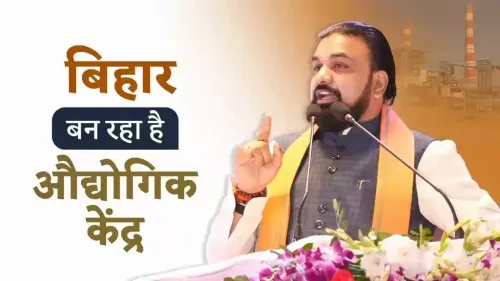
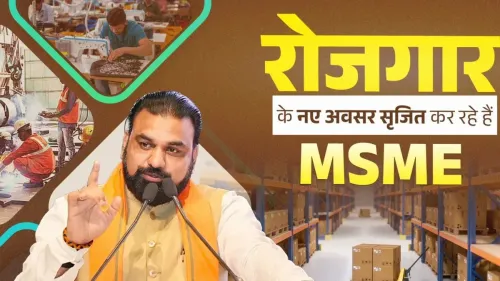
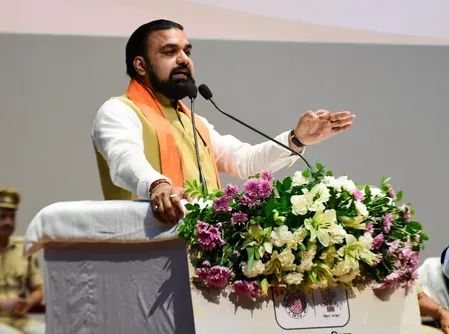
CM Choudhary says the decision will boost investment and create new employment opportunities in the two districts.
Actual e-auction launch depends on completion of resource assessment and regulatory clearances — a process that could take several months.
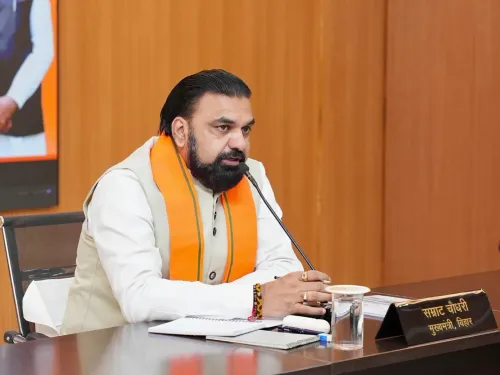
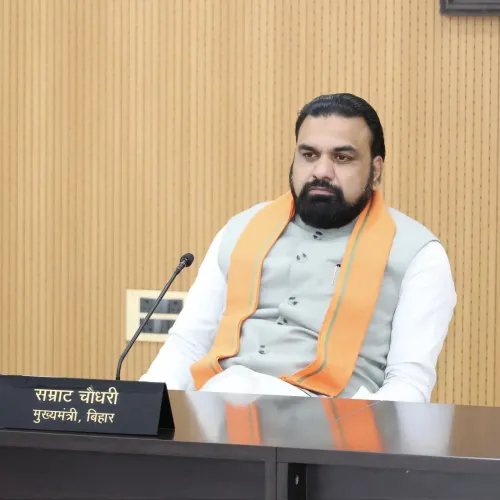
Bihar is sitting on iron ore and copper-lead-zinc deposits that have largely gone untapped — and Bihar Chief Minister Samrat Choudhary has now moved to change that. On Wednesday, November 18, 2026, his cabinet cleared the groundwork for e-auctions of key mineral blocks in Jamui and Banka districts, marking one of the most concrete steps the state has taken toward unlocking its mineral economy.
The blocks on the table — and what they hold
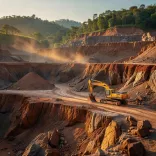
The cabinet approval covers three identified mineral blocks: the Majos and Bhanta magnetite (iron ore) blocks in Jamui, and the Pindara copper-lead-zinc block in Banka. The go-ahead authorises resource assessment, reserve price determination, and timeline setting — the prerequisite steps before formal e-auction notifications can go out.
Jamui, nestled in southern Bihar, has long been recognised for its magnetite iron ore potential. Banka, its neighbour, carries identified copper-lead-zinc mineralisation that has attracted geological interest but little commercial development. Together, these blocks represent the kind of multi-metal inventory that could anchor an entirely new industrial corridor in a region that has historically exported labour rather than minerals.
Bihar's mining gap — and why Jharkhand comparisons sting
Bihar's mining story is largely a story of missed opportunity. When the state bifurcated in 2000 and Jharkhand was carved out, Bihar lost the bulk of its mineral-rich territory. What remained has been slow to develop, leaving Bihar dependent on agriculture and remittances while Jharkhand built a mining and steel economy.
That gap is precisely what the Choudhary government is trying to close. The e-auction route is not new — India's MMDR Amendment Act of 2015 mandated competitive electronic auctions for major mineral blocks to ensure transparency and maximise state revenue. But Bihar's ability to actually fill that pipeline has lagged behind states like Odisha, Chhattisgarh, and Rajasthan. Getting the cabinet to formally initiate the valuation process is the unglamorous but essential first step.
Jobs, investment, and what the state expects to gain
CM Choudhary said the decision would 'nivesh badhega, rojgar ke naye avsar srujit honge' — 'increase investment and create new employment opportunities' — alongside accelerating Bihar's industrial and economic growth. For a state whose industrial base remains thin, mineral-linked downstream industries — steel processing, cable manufacturing, chemical inputs — could generate the kind of manufacturing jobs that have so far eluded it.
Mining investors and local employment seekers are the two most direct stakeholders. For investors, a transparent e-auction with a published reserve price and clear timeline removes the discretionary opacity that has historically deterred capital. For the districts of Jamui and Banka — both among Bihar's less urbanised regions — royalty flows and ancillary jobs could represent a step-change in local economic activity.
What has to happen before a single bid is placed
Cabinet approval is authorisation to begin preparation, not to begin the auction. The state now needs to complete resource evaluation of each block, set reserve prices, and fix a formal auction timeline — a process that in other states has taken anywhere from several months to over a year. Environmental clearance and land acquisition groundwork will follow if and when bidders are found. The pace at which Bihar moves through these stages will determine whether today's announcement translates into real industrial activity — or joins a long list of announced intentions.
Bihar has identified the ore. The clock is now running on whether it can convert geology into growth.
Point of View
And competitive e-auctions are the credible policy mechanism to change that. However, the gap between cabinet approval and a live auction is where such initiatives have historically stalled in Bihar, making execution speed the true test of this announcement. If the state moves swiftly through resource assessment and clearances, it could use Jamui and Banka as proof-of-concept for a broader minerals-to-industry pipeline that reshapes its economic identity.
NationPress
18 Nov 2026
Frequently Asked Questions
What mineral blocks did Bihar cabinet approve for e-auction in 2026?
Bihar's cabinet approved preparatory steps — resource assessment, reserve price setting, and timeline determination — for the Majos and Bhanta magnetite (iron ore) blocks in Jamui and the Pindara copper-lead-zinc block in Banka on November 18, 2026.
What is a mineral block e-auction in India?
Under India's MMDR Amendment Act of 2015, major mineral blocks must be allotted through transparent competitive electronic auctions rather than discretionary grants, ensuring the state maximises royalty revenue and reduces corruption risk.
Which district in Bihar has iron ore deposits?
Jamui district in southern Bihar has known magnetite iron ore deposits, including the Majos and Bhanta blocks that have now been cleared for e-auction preparation.
Does Bihar have copper or zinc mining potential?
Yes. Banka district in Bihar has identified copper-lead-zinc mineralisation. The Pindara block in Banka has now been approved for resource assessment ahead of a formal e-auction.
How long does it take to hold a mineral block e-auction after cabinet approval in India?
Cabinet approval only authorises the preparatory phase. Completing resource evaluation, setting reserve prices, obtaining regulatory clearances, and issuing auction notices typically takes several months to over a year, depending on the state's pace of execution.