Bihar CM Orders Digital Portal for MLA, MLC Scheme Monitoring
Synopsis
The Chief Minister's Office of Bihar has directed the development of a dedicated digital portal for MLAs and MLCs to enable online management, monitoring, and progress tracking of legislators' schemes, advancing the state's e-governance push.
Key Takeaways
The Chief Minister's Office of Bihar announced on 4 July 2026 a directive to develop a dedicated digital portal for legislators.
The portal will serve both MLAs (Members of the Legislative Assembly) and MLCs (Members of the Legislative Council) .
The platform is intended to provide online management of scheme information, monitoring, and progress tracking.
The move aligns with the national Digital India programme and Bihar's prior e-governance modules.
Improved transparency in fund utilisation and scheme delivery for constituency-level beneficiaries is a stated goal.
The timeline, features, and integration with existing Bihar government IT systems are yet to be publicly detailed.
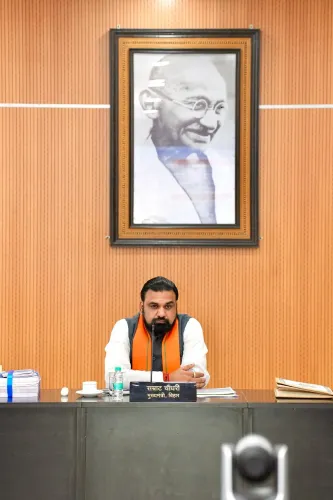
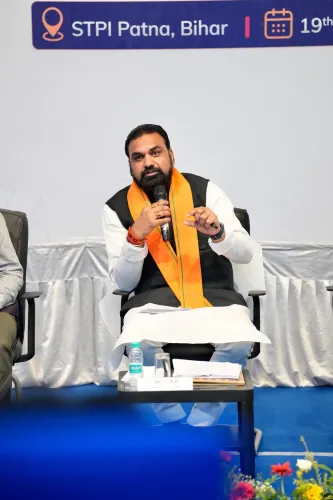
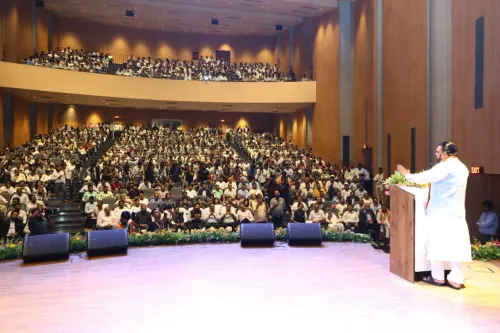
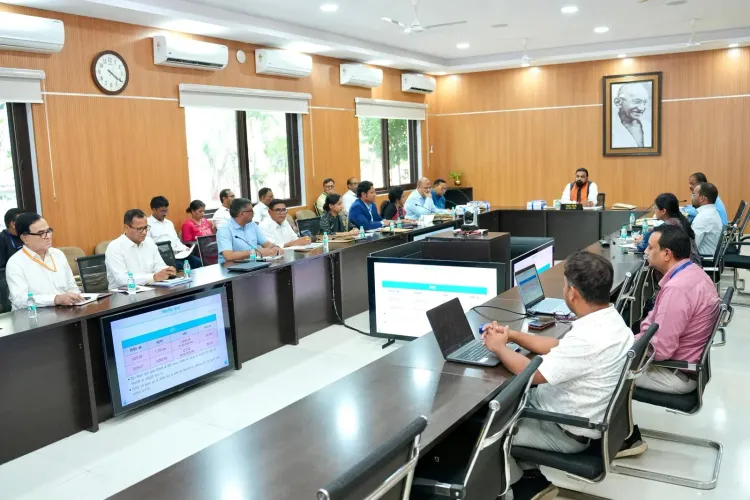
The Chief Minister's Office of Bihar, on Saturday, 4 July 2026, announced that the Chief Minister has directed the development of a dedicated digital portal for Members of the Legislative Assembly (MLAs) and Members of the Legislative Council (MLCs) to ensure transparent and effective management of legislators' schemes.
The official post stated: 'उन्होंने जनप्रतिनिधियों की योजनाओं के पारदर्शी एवं प्रभावी संचालन के लिए विधायकों एवं विधान परिषद् सदस्यों हेतु एक समर्पित डिजिटल पोर्टल विकसित करने के निर्देश दिए' — meaning he directed the development of a dedicated digital portal for MLAs and MLCs to ensure transparent and effective operation of legislators' schemes, with online management of scheme information, monitoring, and progress.
Context
The directive calls for a single platform through which elected representatives can access information about their constituency-level schemes, track progress, and manage monitoring — all online. The move is framed as an effort to bring greater accountability to the utilisation of funds allocated to legislators for local development work. The Bihar Legislative Assembly and the Bihar Legislative Council together constitute the state's bicameral legislature. MLAs and MLCs are entrusted with overseeing the implementation of a range of welfare and development schemes in their respective constituencies, making real-time digital oversight a significant governance upgrade.Policy Backdrop
The directive aligns with the broader Digital India programme, launched nationally in 2015, which has encouraged state governments to build online monitoring platforms for government schemes. Bihar has previously implemented multiple e-governance modules for departmental oversight, and this proposed portal would extend that architecture to elected representatives themselves. Across Indian states, digital dashboards for scheme tracking have progressively been adopted to reduce leakages, improve fund utilisation, and give legislators real-time visibility into on-ground implementation. A dedicated portal for MLAs and MLCs represents a step beyond departmental monitoring, placing accountability tools directly in the hands of elected officials.Stakeholders and Impact
The primary beneficiaries of this initiative are the elected legislators of Bihar — both from the lower house and the upper house — who will gain a structured, centralised view of scheme status under their purview. Scheme beneficiaries at the grassroots level stand to gain indirectly, as closer monitoring by representatives is expected to improve delivery timelines and reduce administrative gaps. Civil society and governance watchdogs have long called for greater transparency in how legislators' local area development funds and associated schemes are managed. A digital portal with real-time progress tracking could serve as a tool for public accountability if data is made accessible beyond the legislators themselves.What's Next
The immediate focus will be on the timeline for developing and deploying the portal, the features it will carry — such as scheme dashboards, fund-utilisation trackers, and progress alerts — and whether it will be integrated into Bihar's existing government IT infrastructure. Stakeholders will also watch for whether the portal's data will be made publicly accessible, which would significantly enhance its accountability value. If implemented effectively, the portal could serve as a model for other Indian states looking to digitise legislator-level scheme oversight, reinforcing Bihar's stated push toward transparent, technology-driven governance.Point of View
The government is attempting to close the accountability gap between fund allocation and on-ground delivery. This fits a broader national pattern where digital dashboards are increasingly used to pre-empt audit failures and reduce leakages before they become political liabilities. The real test will be whether the portal's data is made publicly accessible, which would transform it from an internal management tool into a genuine instrument of democratic accountability.
NationPress
5 Jul 2026
Frequently Asked Questions
What is the Bihar digital portal for MLAs and MLCs?
It is a dedicated online platform directed by the Bihar Chief Minister to allow MLAs and MLCs to access information, monitor, and track the progress of legislators' schemes in their constituencies.
Why is Bihar developing a digital portal for legislators?
The portal aims to ensure transparent and effective management of legislators' schemes by enabling online monitoring and reducing administrative gaps in scheme delivery.
Who will use the Bihar MLA-MLC digital portal?
Members of the Bihar Legislative Assembly (MLAs) and Members of the Bihar Legislative Council (MLCs) are the intended users of the portal.
How does this portal relate to Digital India?
The initiative aligns with the national Digital India programme launched in 2015, which promotes online monitoring platforms for government schemes across states.
What schemes will the Bihar legislators' portal cover?
The portal is expected to cover constituency-level welfare and development schemes managed by MLAs and MLCs, though the full list of covered schemes has not yet been publicly detailed.