Bihar CM Orders District Hospital Upgrades, Patna Ayurvedic College Modernisation
Synopsis
Bihar's Chief Minister has directed upgrades to district headquarters hospitals for better patient care and the modernisation of Patna's Rajkiya Ayurvedic College, including formal linkages with leading national Ayurvedic institutions.
Key Takeaways
The Chief Minister of Bihar has issued directives to modernise and strengthen district headquarters hospitals across the state.
Patients at district-level facilities are to receive improved medical services as part of the push.
The Rajkiya Ayurvedic College and Hospital, Patna is targeted for modernisation under the same directive.
The CM emphasised connecting the Patna Ayurvedic College with the country's leading Ayurvedic institutions .
Bihar's health infrastructure push aligns with the National Health Mission framework active since 2005.
Follow-up government orders, budget provisions, and formal institutional tie-ups will be the key indicators of implementation.
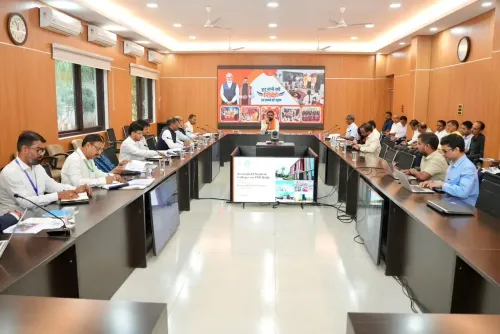
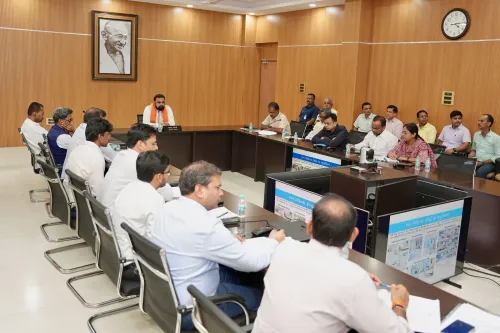
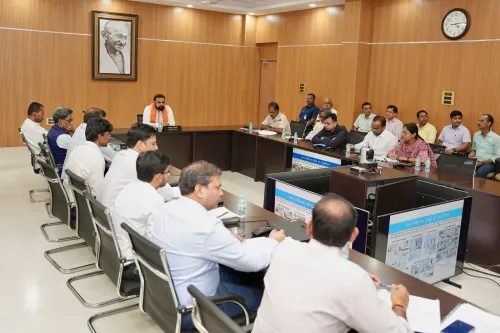
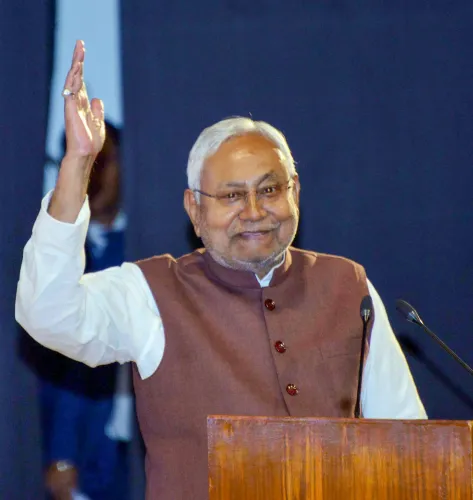
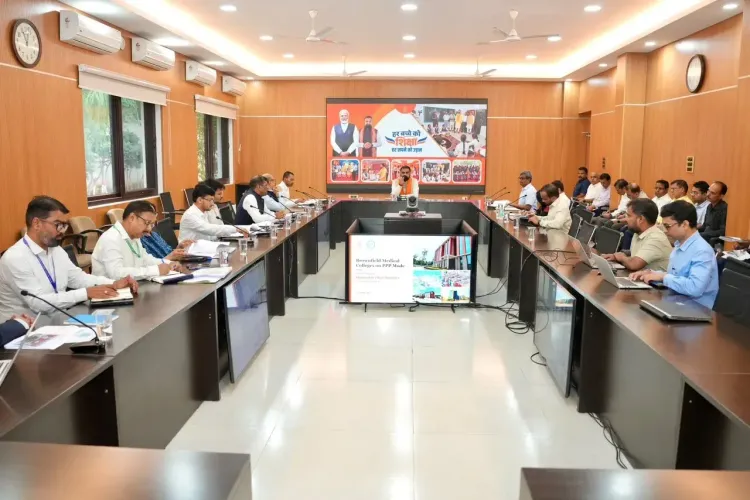
Bihar's public healthcare network is about to get a serious push from the top. The Chief Minister's Office of Bihar announced on Friday, October 16, 2026 that the Chief Minister has directed a sweeping upgrade of district headquarters hospitals and a landmark modernisation of the Rajkiya Ayurvedic College and Hospital in Patna, including formal linkages with the country's leading Ayurvedic institutions.
The directive, shared by the official CMO account, calls for district hospitals to be made 'modern and robust' — aadhunik evam sudridh — so that patients receive better medical facilities. The statement signals a focused intent to close the quality gap between Bihar's district-level public health infrastructure and urban tertiary centres.
What the district hospital directive means on the ground
Bihar's 38 district headquarters hospitals serve as the first serious point of referral for millions of patients who cannot reach Patna's major facilities. For years, these hospitals have struggled with equipment shortfalls, staffing gaps, and ageing infrastructure. The Chief Minister's explicit direction to modernise them aligns with Bihar's participation in the National Health Mission, launched nationally in 2005, which has long earmarked funds for district-level health infrastructure strengthening.
The stakes are straightforward: for a patient in Sitamarhi, Araria, or Jamui, a stronger district hospital is the difference between a manageable illness and a ruinous journey to Patna. A top-level directive of this kind typically precedes budget provisions and departmental orders — the follow-through will be the real test.
Patna's Ayurvedic College and its national ambition
The second, and arguably more distinctive, strand of the announcement concerns the Rajkiya Ayurvedic College and Hospital, Patna — a state-run institution for Ayurvedic education and treatment. The Chief Minister stressed the need to modernise its facilities and, crucially, to connect it with the country's premier Ayurvedic institutions.
This is consistent with a broader national policy direction that has pushed AYUSH systems — Ayurveda, Yoga, Unani, Siddha, and Homeopathy — into the mainstream of Indian public health planning. Linking a state institution to national centres of excellence would give Patna's Ayurvedic college access to updated curricula, clinical protocols, and research networks that have so far remained out of reach.
For students and practitioners at the college, the potential upgrade is significant. For patients, it could mean access to evidence-informed traditional medicine delivered in a modernised clinical setting — rather than facilities frozen decades in the past.
Words vs. orders: what to watch next
High-level directives in state governance frequently mark the beginning, not the end, of a process. The critical next steps will be formal government orders from the Bihar Health Department, dedicated budget allocations, and publicly announced memoranda of understanding with national Ayurvedic institutes. Whether district hospital upgrades receive phased timelines and accountability mechanisms will determine whether this directive translates into beds, equipment, and trained staff — or remains an aspiration on record.
Bihar has signalled its direction. The paperwork — and the funding — will tell the real story.
Point of View
And the gap between directive and delivery has historically been wide. Tying the Ayurvedic college to national institutions could be transformative if formalised — or symbolic if it stalls at the announcement stage.
NationPress
16 Oct 2026
Frequently Asked Questions
What did Bihar CM direct regarding district hospitals?
The Chief Minister of Bihar directed that district headquarters hospitals be modernised and strengthened to provide better medical facilities to patients across the state's districts.
What is the Rajkiya Ayurvedic College and Hospital in Patna?
The Rajkiya Ayurvedic College and Hospital in Patna is a state-run institution providing Ayurvedic education and treatment. The Bihar CM has now directed its modernisation and linkage with leading national Ayurvedic institutes.
How many district hospitals does Bihar have?
Bihar has 38 districts, each with a district headquarters hospital that serves as a primary referral point for public patients in that region.
What is the National Health Mission and how does Bihar relate to it?
The National Health Mission, launched in 2005, is a central government programme to strengthen public health infrastructure including at the district level. Bihar participates in the mission, and the CM's hospital modernisation directive aligns with its objectives.
What should be watched for after this Bihar health directive?
Key follow-up steps include formal government orders from the Bihar Health Department, dedicated budget allocations, and signed agreements with national Ayurvedic institutions confirming the Patna college's new linkages.