Bihar CM Orders Time-Bound Push on Rural Infrastructure
Synopsis
The Chief Minister's Office of Bihar announced on 5 November 2026 that the Chief Minister has directed time-bound completion of anganwadi centres, rural haats, school classrooms, canal renovation, tree plantation, and water conservation works, with district magistrates mandated to continuously monitor progress.
Key Takeaways
Bihar's Chief Minister issued instructions for six categories of rural infrastructure works to be completed on a strict time-bound basis.
Works covered include anganwadi centres , rural haats, additional classrooms in schools, canal and reservoir renovation, tree plantation, and water conservation.
District Magistrates across all Bihar districts have been tasked with ensuring continuous monitoring of these schemes.
Anganwadi centres operate under the central Integrated Child Development Services programme and are critical to rural nutrition and child welfare.
The bundled, DM-monitored directive follows a long-standing Bihar governance pattern of convergence-based rural delivery accountability.
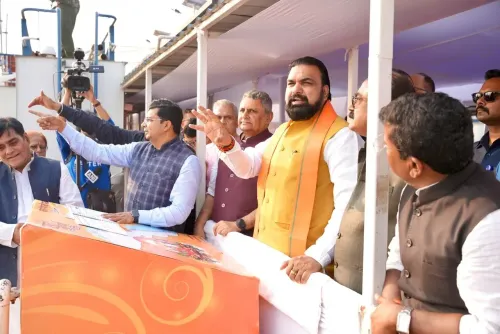
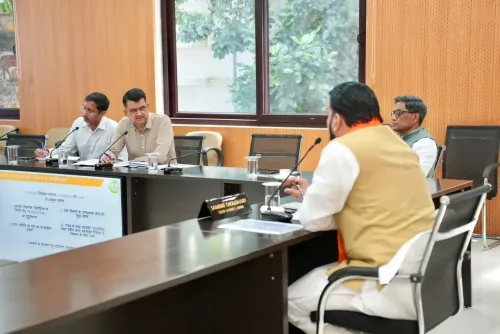
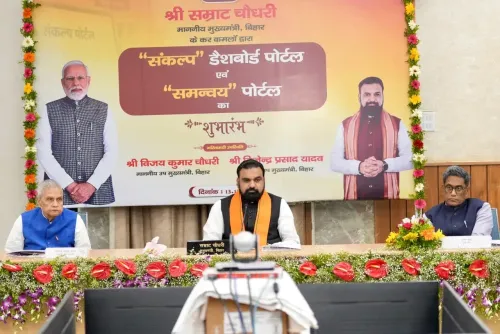
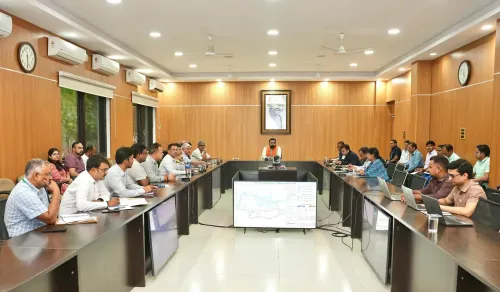
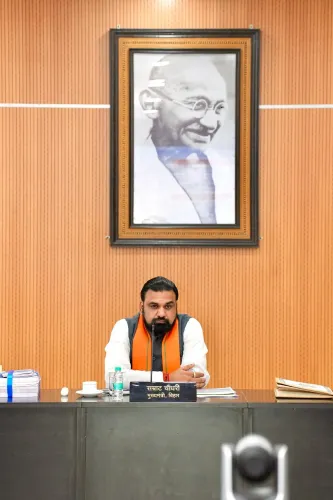
From anganwadi centres to canal restoration, Bihar's Chief Minister has issued a sweeping time-bound directive covering some of the most critical pillars of rural life — and placed district magistrates squarely on the hook for delivery. The Chief Minister's Office of Bihar posted on X on 5 November 2026 outlining the instructions issued by the Chief Minister to ensure completion of a bundled set of rural development works across the state.
The post, written in Hindi, states that the Chief Minister directed that works related to 'anganwadi kendron, gramin haat, vidyalayon mein atirikt classroom, nahalon evam jalashyon ke jirnoddhaar, vriksharopan, jal sanrakshan' — anganwadi centres, rural haats, additional classrooms in schools, renovation of canals and reservoirs, tree plantation, and water conservation — be completed in a time-bound manner. All district magistrates across Bihar's districts have been asked to ensure continuous monitoring of these schemes.Six Works, One Deadline Mandate
What makes this directive notable is its breadth. The Chief Minister has bundled six distinct categories of rural infrastructure — childcare, local commerce, school expansion, irrigation, greening, and water conservation — under a single time-bound completion order. That is not a coincidence; it reflects a deliberate strategy of convergence, pushing multiple welfare and environmental programmes forward simultaneously rather than in departmental silos.
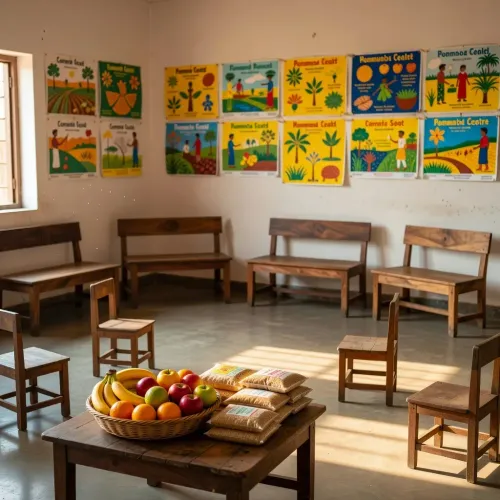
Anganwadi centres operate under the centrally-sponsored Integrated Child Development Services programme and serve as the frontline of nutrition and early childhood care in rural Bihar. Rural haats — periodic local markets — are a lifeline for small farmers and village traders. Additional classrooms address chronic overcrowding in government schools. Canal and reservoir renovation directly determines irrigation access for the state's large agrarian population.
DMs as the Delivery Mechanism
Directing District Magistrates to ensure 'continuous monitoring' is a standard — but meaningful — accountability lever in Bihar's governance architecture. The DM is the senior-most executive officer in each district, with authority to coordinate across line departments. When the Chief Minister explicitly names this tier of officialdom, it signals that implementation will be tracked at the top, and that delays will be difficult to obscure behind departmental reporting chains.
Bihar administrations have repeatedly used bundled, time-bound completion orders for rural infrastructure as a mechanism to accelerate delivery across welfare, education, and irrigation sectors — a pattern that reflects the state's ongoing effort to close gaps in basic service infrastructure in its villages.
The question now is whether district-level progress reports translate these instructions into visible outcomes on the ground — and how quickly the Chief Minister's Office calls the next review.
Point of View
A persistent challenge in large welfare states. Placing district magistrates at the monitoring centre is a classic Bihar governance move that concentrates accountability at the field level, where delivery gaps tend to surface first. The directive fits neatly into the state's broader arc of trying to accelerate basic service delivery ahead of electoral cycles, though its real test will come in the follow-through: whether review mechanisms are actually enforced or quietly shelved. Progress on canal restoration and water conservation in particular will be watched by agricultural communities whose irrigation access hangs directly on these works.
NationPress
5 Nov 2026
Frequently Asked Questions
What instructions did the Bihar Chief Minister give on 5 November 2026?
The Bihar Chief Minister directed that works related to anganwadi centres, rural haats, additional classrooms in schools, canal and reservoir renovation, tree plantation, and water conservation be completed in a time-bound manner across the state.
What is the role of District Magistrates in this Bihar scheme directive?
District Magistrates in all Bihar districts have been asked to ensure continuous and sustained monitoring of the listed welfare and infrastructure schemes to ensure timely delivery.
What are anganwadi centres and why are they important in Bihar?
Anganwadi centres are childcare and nutrition facilities run under the central Integrated Child Development Services programme. They serve as the frontline of early childhood care and maternal nutrition in rural Bihar.
What does Bihar's rural haat development involve?
Rural haats are periodic local markets that support agricultural produce trade and rural livelihoods. Their development aims to give small farmers and village traders better access to commerce.
Is this a new policy or an ongoing Bihar governance practice?
Bihar administrations have regularly issued time-bound completion orders for bundled rural infrastructure works. This directive follows an established pattern of convergence-based monitoring via district magistrates.