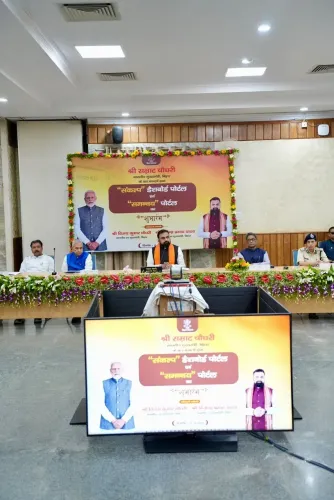
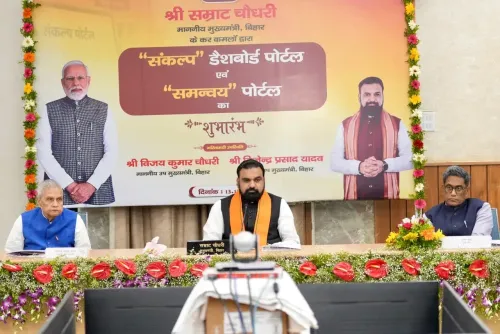
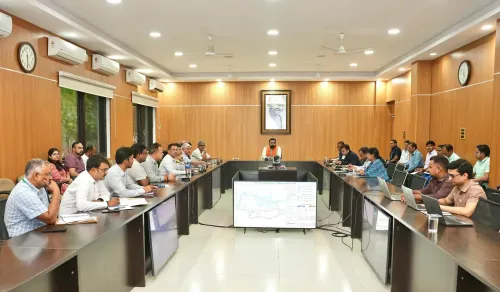
Bihar CMO Directs Better Grievance Management at Panchayat Level
Synopsis
The Chief Minister's Office of Bihar on 22 October 2026 directed improved management and rigorous monitoring of citizen feedback, suggestions, and grievances across departmental, district, and panchayat levels — targeting accountability at all three tiers of local governance.
Key Takeaways
The Chief Minister's Office of Bihar issued a directive on 22 October 2026 for better grievance management.
The order covers all three administrative tiers: departmental, district, and panchayat levels .
The directive specifically calls for 'effective monitoring' — not just the existence of feedback channels but follow-through on complaints.
Panchayati Raj Institutions in Bihar include gram panchayats, block panchayats, and zila parishads — the primary interface for rural citizens.
Details of any new portals, helplines, or reporting formats to operationalise the directive are yet to be announced.
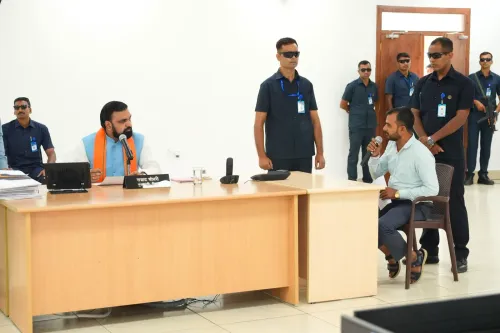
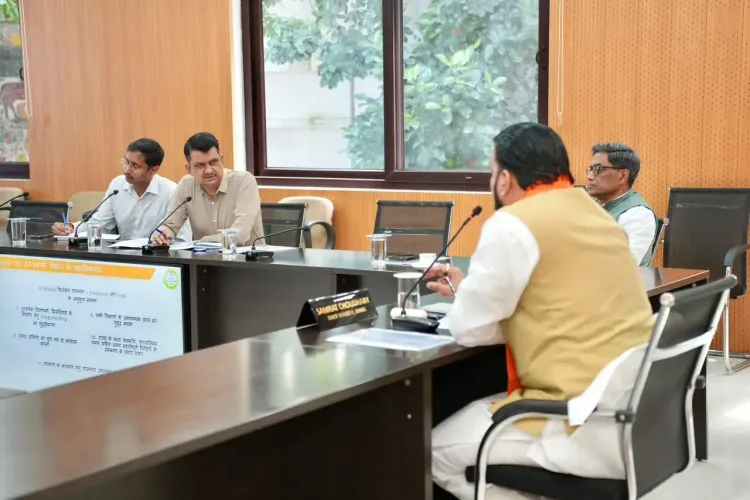
A clear signal from Patna that the government intends to close the gap between citizens and the state: the Chief Minister's Office of Bihar on Thursday, 22 October 2026, directed that feedback, suggestions, and complaints from ordinary citizens be managed more effectively — and monitored more rigorously — at the departmental, district, and panchayat levels.
The directive, shared on X by the official Chief Minister's Office account, stated: 'विभागीय, जिला एवं पंचायत स्तर पर आम लोगों के फीडबैक, सुझावों एवं शिकायतों के बेहतर प्रबंधन और प्रभावी निगरानी व्यवस्था सुनिश्चित करने का निर्देश दिया' — instructions have been issued to ensure better management and effective monitoring of public feedback, suggestions, and grievances at the departmental, district, and panchayat levels.
Three Tiers, One Accountability Chain
The order targets all three administrative rungs that touch a Bihar resident's daily life. At the top, state departments bear responsibility for systemic issues; below them, district administrations handle on-the-ground implementation; and at the base, Panchayati Raj Institutions — Bihar's gram panchayats, block panchayats, and zila parishads — are the first port of call for most rural citizens. By explicitly naming all three tiers, the directive signals that accountability is expected to flow downward without breaking at any link in the chain.A Pattern of Periodic Pushes on Grievance Redressal
This is not Bihar's first such directive. The state administration has periodically issued instructions to strengthen grievance redressal and public feedback mechanisms across its governance architecture — an acknowledgment that structural gaps between citizens and local bodies persist and require active course-correction. The emphasis on 'effective monitoring' is notable: it suggests that the problem is not merely the absence of complaint channels, but the follow-through once a grievance is lodged. What will define the real impact of this order is what comes next — whether new monitoring portals, dedicated helplines, or standardised reporting formats are rolled out at the panchayat and district levels to give the directive teeth. A direction without a dashboard is only half the governance story. For Bihar's vast rural population, the difference between a complaint filed and a complaint resolved can mean access to a scheme benefit, a road repaired, or a dispute settled. This order, if implemented with the monitoring rigour it promises, is a step toward that last mile.Point of View
The order attempts to pre-empt the classic blame-shifting between departments and local bodies. The emphasis on monitoring — not just management — suggests an awareness that the bottleneck is enforcement, not intake. Whether this translates into measurable outcomes will depend on the institutional infrastructure built to back it up.
NationPress
22 Oct 2026
Frequently Asked Questions
What did the Bihar Chief Minister's Office direct on 22 October 2026?
The Bihar CMO directed that public feedback, suggestions, and complaints be managed more effectively and monitored rigorously at the departmental, district, and panchayat levels.
Which levels of government does Bihar's grievance directive cover?
The directive covers three tiers: state departmental level, district administration level, and panchayat (local self-government) level.
What are Panchayati Raj Institutions in Bihar?
Bihar's Panchayati Raj Institutions are three-tier rural local self-government bodies comprising gram panchayats, block panchayats, and zila parishads — the closest governance layer for most rural residents.
Why is monitoring emphasis significant in Bihar's grievance order?
Focusing on 'effective monitoring' signals that the government recognises complaints are being lodged but not necessarily resolved — targeting follow-through, not just intake.
What new systems might Bihar roll out under this directive?
Possible implementations include new monitoring portals, dedicated helplines, or standardised reporting formats at the panchayat and district levels, though specific tools have not yet been announced.