Bihar Cabinet clears 19 SC/ST special courts and PPP healthcare plan
Synopsis
The Bihar Cabinet cleared 19 new SC/ST special courts across 19 districts and backed a PPP model for 16 medical colleges in a single sitting — a sweeping administrative push that touches justice delivery, healthcare access, and elite sports infrastructure all at once.
Key Takeaways
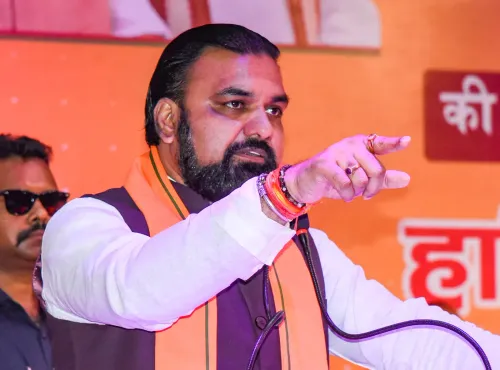
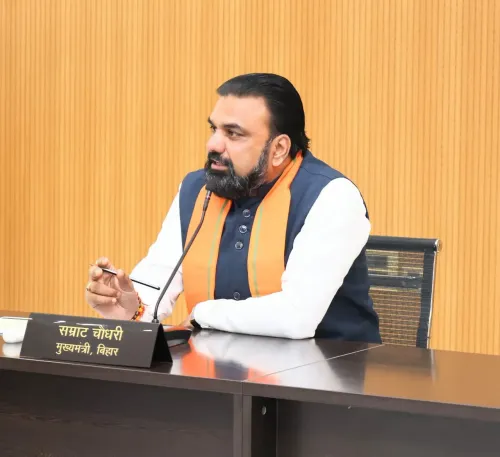
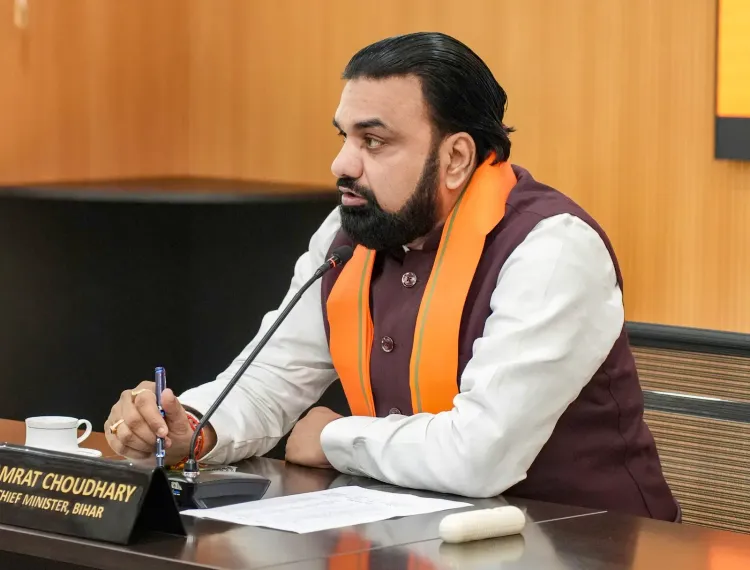
Bihar Cabinet approved 17 key decisions on 5 August , chaired by CM Samrat Choudhary .
19 exclusive special courts to be set up across 19 districts to fast-track cases under the SC/ST (Prevention of Atrocities) Act, 1989 .
171 non-gazetted posts created to staff District and Additional Sessions Judge courts supporting the new benches.
Patna Women's College appointed as transaction advisor for PPP operation of 16 medical colleges and hospitals .
A Sports Science Centre approved at the State Sports Academy, Rajgir , covering training, injury management, and modern equipment. 'Har Ghar Tiranga' 2026 campaign approved to promote national unity and public participation.
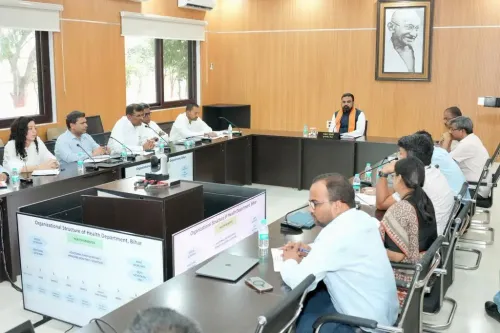
The Bihar Cabinet, chaired by Chief Minister Samrat Choudhary, on Wednesday, 5 August approved decisions on 17 key issues, including the creation of 19 exclusive special courts to fast-track cases under the Scheduled Castes and Scheduled Tribes (Prevention of Atrocities) Act, 1989, and a Public-Private Partnership (PPP) model for operating 16 medical colleges and hospitals across the state.
19 New Special Courts for SC/ST Cases
The Cabinet approved the establishment of 19 additional exclusive special courts spread across Bettiah (West Champaran), Madhubani, Ara (Bhojpur), Siwan, Araria, Supaul, Khagaria, Jehanabad, Buxar, Jamui, Bhabua (Kaimur), Katihar, Sitamarhi, Munger, Madhepura, Banka, Sheikhpura, Aurangabad, and Lakhisarai. The move is aimed at expediting the disposal of long-pending atrocity cases and strengthening legal safeguards for victims from marginalised communities.
To support the functioning of these courts, the state government also approved the creation of 171 non-gazetted posts in District and Additional Sessions Judge courts. This is a significant administrative step, as understaffing has historically been cited as a primary bottleneck in the timely hearing of SC/ST cases across Bihar's districts.
PPP Model for 16 Medical Colleges
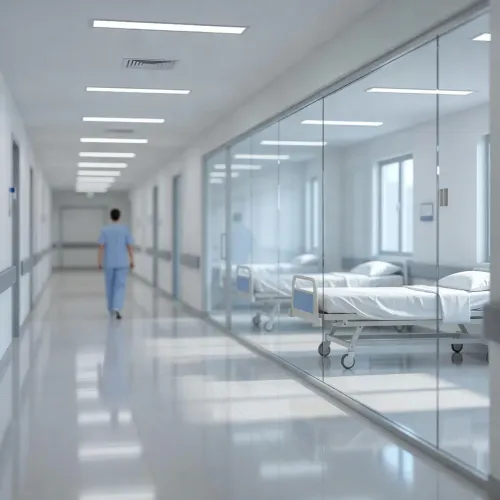
In the healthcare sector, the Cabinet granted administrative approval for the appointment of Patna Women's College as the transaction advisor for the operation of 16 medical colleges and hospitals — including dental colleges and hospitals — under the PPP framework. The initiative is intended to modernise healthcare infrastructure and improve the quality and availability of medical services across the state.
This comes amid Bihar's longstanding challenges with public health delivery, where doctor-to-patient ratios and institutional capacity have remained under pressure. The PPP route, if executed effectively, could draw private sector efficiencies into publicly funded institutions.
Sports Science Centre at Rajgir
The Council of Ministers also approved the establishment, operation, and maintenance of a Sports Science Centre at the State Sports Academy complex in Rajgir. The high-performance facility will cover scientific training, injury management, human resource provisions, and the procurement of modern equipment — giving Bihar's athletes access to infrastructure comparable to national-level academies.
Separately, a state-of-the-art cricket stadium is reportedly in its final stage of development, with international matches expected to be hosted in Bihar in the near future.
Har Ghar Tiranga and Other Approvals
The Cabinet also cleared the successful organisation of the 'Har Ghar Tiranga' campaign in 2026, aimed at promoting patriotism, national unity, and widespread public participation in honouring the Tricolour. The remaining decisions from the 17-point agenda were approved without detailed public disclosure at the time of reporting.
With this cluster of approvals — spanning judiciary, healthcare, sports, and civic campaigns — the Bihar government signals a broad administrative push ahead of what is expected to be a politically active period for the state.
Point of View
But Bihar's track record on filling judicial vacancies and supporting staff should temper optimism — 171 posts created on paper is not 171 posts filled. The PPP model for medical colleges is similarly a bet on private-sector execution in a state where public health delivery has struggled for decades. The real test will be whether these decisions translate into operational courts and functional hospitals within a credible timeframe, or whether they join a long list of well-intentioned Bihar Cabinet approvals that stalled at implementation.
NationPress
20 Sept 2026
Frequently Asked Questions
Why is Bihar setting up 19 new special courts?
Bihar is establishing 19 exclusive special courts to fast-track the disposal of pending cases filed under the Scheduled Castes and Scheduled Tribes (Prevention of Atrocities) Act, 1989. The courts will be spread across 19 districts, supported by 171 newly created non-gazetted posts.
What is the PPP model approved for Bihar's medical colleges?
The Bihar Cabinet approved a Public-Private Partnership model for the operation of 16 medical colleges and hospitals, including dental institutions. Patna Women's College has been appointed as the transaction advisor to facilitate the process, with the aim of improving healthcare quality and availability across the state.
What is the Sports Science Centre approved in Rajgir?
The Cabinet approved a Sports Science Centre at the State Sports Academy complex in Rajgir. It will provide Bihar's athletes with high-performance training, scientific coaching, injury management facilities, and state-of-the-art equipment.
Who chaired the Bihar Cabinet meeting on 5 August?
Chief Minister Samrat Choudhary chaired the Bihar Cabinet meeting on 5 August, during which 17 key decisions were approved covering judiciary, healthcare, sports infrastructure, and civic initiatives.
What is the 'Har Ghar Tiranga' campaign approved by the Bihar Cabinet?
'Har Ghar Tiranga' is a national campaign aimed at promoting patriotism, respect for the Tricolour, and national unity. The Bihar Cabinet approved its organisation in 2026, encouraging widespread citizen participation across the state.