Bihar CM Office: State to Buy Solar Power Beyond 125 Units
Synopsis
The Chief Minister's Office of Bihar announced on 14 June 2026 that the state will purchase solar electricity generated beyond 125 units per household, turning rooftop panels into an income source for rural residents and advancing Bihar's renewable energy goals.
Key Takeaways
The Chief Minister's Office of Bihar announced on 14 June 2026 that the state will buy back solar electricity generated beyond 125 units per household.
The buyback is designed to increase household income and promote economic empowerment among solar panel owners.
The policy fits a national pattern of state-level renewable energy incentives, building on the Jawaharlal Nehru National Solar Mission launched in 2010 .
Similar surplus-power purchase mechanisms are already in place in Gujarat and Maharashtra .
Key implementation details — including tariff rates and enrolment guidelines — are yet to be announced by the Bihar Energy Department .
Primary beneficiaries are rural households and small-scale solar panel owners across Bihar .
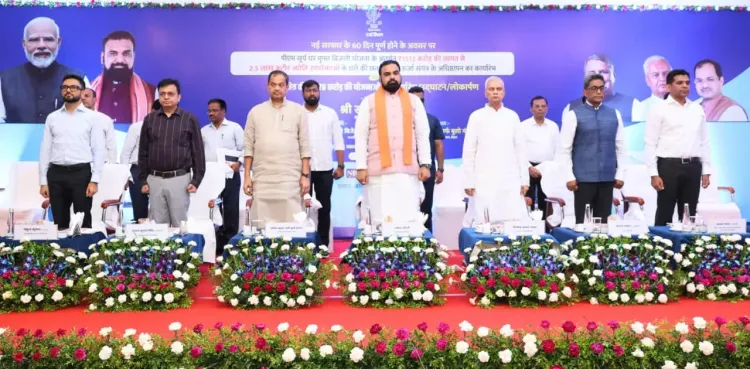
The Chief Minister's Office of Bihar announced on Sunday, 14 June 2026 that the state government will purchase surplus electricity generated through solar panels beyond 125 units, a move aimed at boosting household incomes and advancing rural energy self-sufficiency.
Context
The post, shared from the official @officecmbihar account, quotes a statement — 'सोलर पैनलों के माध्यम से 125 यूनिट से अधिक उत्पादित होने वाली बिजली को राज्य सरकार खरीदेगी' ('electricity produced in excess of 125 units through solar panels will be purchased by the state government') — indicating a formal buyback commitment for rooftop solar adopters. The announcement further states that this arrangement will increase people's income and make them economically empowered.
Bihar, an eastern Indian state with significant rural populations, has long grappled with energy access challenges. A guaranteed power-purchase mechanism directly addresses both the supply and income dimensions of that challenge.
Policy Backdrop
India's push for distributed solar generation traces back to the Jawaharlal Nehru National Solar Mission, launched in 2010, which set the foundation for rooftop solar expansion and net-metering frameworks across the country. After 2015, several states introduced excess-power buyback rules to incentivise household-level solar adoption.
Bihar's proposed arrangement follows a pattern already established in states such as Gujarat and Maharashtra, where surplus-power purchase guarantees have been used to raise rural incomes while simultaneously helping states meet renewable energy targets. The 125-unit threshold effectively ensures that domestic consumption is met first, with the surplus channelled back to the grid for payment.
Stakeholders and Impact
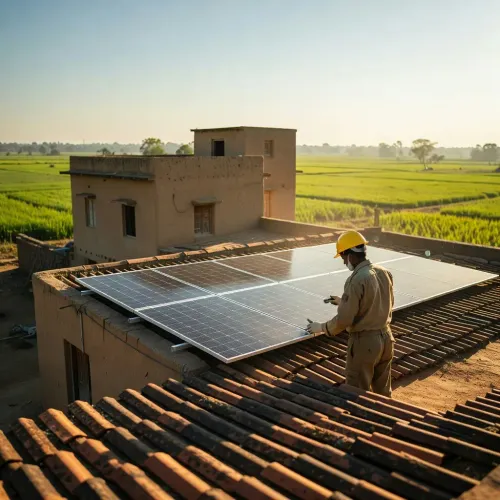
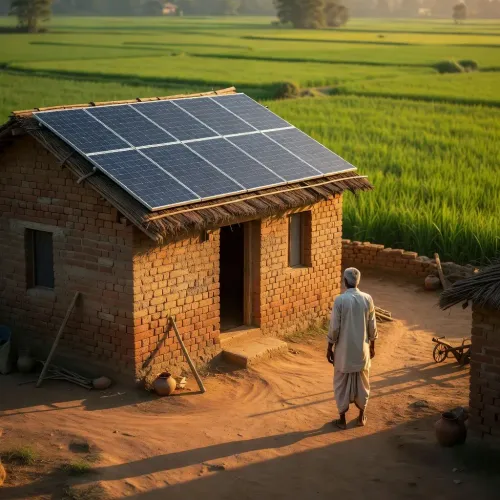
The primary beneficiaries of this policy are rural households and small solar panel owners who currently have no monetisation route for the electricity they generate beyond their own needs. By converting surplus generation into a revenue stream, the scheme positions solar panels as an income-generating asset, not merely an energy-saving tool.
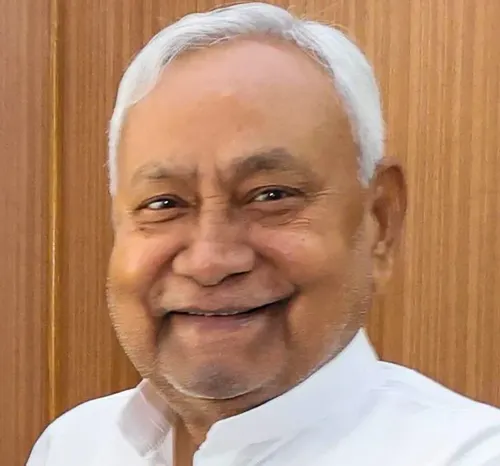
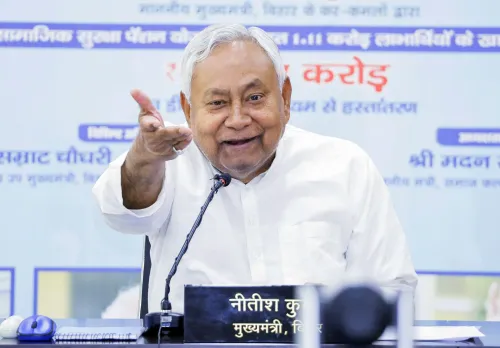
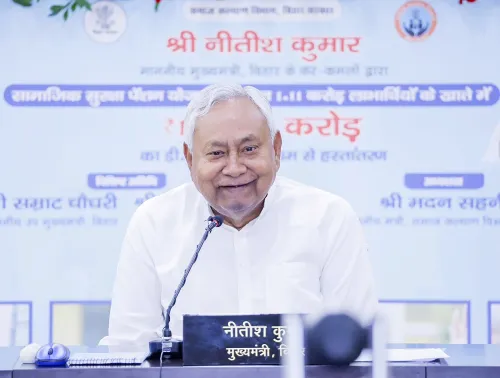
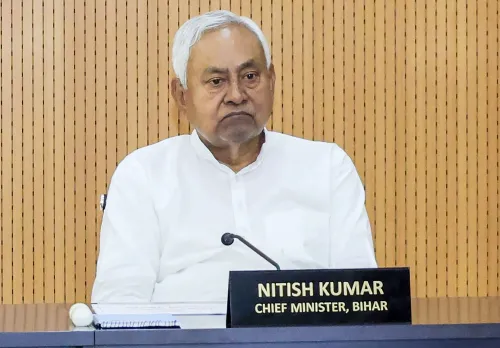
The announcement aligns with Chief Minister Nitish Kumar's broader development agenda for Bihar, which has emphasised infrastructure investment and rural economic uplift. If implemented with clear tariff rates and accessible enrolment, the scheme could meaningfully reduce energy poverty while advancing the state's renewable capacity.
What's Next
Specifics on tariff rates, implementation guidelines, and district-level rollout timelines are expected from the Bihar Energy Department. The announcement does not yet detail how households will register, how metering will be conducted, or when payments will begin.
The success of the scheme will depend on the speed of grid infrastructure upgrades and the accessibility of solar panel financing for low-income households — both areas where state support will be critical to translating policy intent into measurable income gains.
Point of View
The scheme reinforces a governance narrative centred on rural economic empowerment ahead of what remains a politically competitive landscape in Bihar. The critical variable, however, is implementation: tariff rates set too low or enrolment processes too cumbersome have historically undermined similar schemes elsewhere. Whether Bihar's Energy Department can deliver the administrative infrastructure to match the political ambition will determine whether this becomes a genuine income-transfer mechanism or remains an aspirational announcement.
NationPress
20 Sept 2026
Frequently Asked Questions
What is Bihar's solar electricity buyback scheme?
Under the scheme announced by the Chief Minister's Office of Bihar, the state government will purchase any electricity generated through solar panels that exceeds 125 units, providing a direct income stream for households with rooftop solar installations.
Who benefits from Bihar's solar power purchase policy?
Rural households and small solar panel owners in Bihar stand to benefit most, as they will be able to sell surplus electricity — beyond the 125-unit threshold — back to the state government, boosting their income.
How does Bihar's solar buyback compare to other Indian states?
States such as Gujarat and Maharashtra have operated similar excess-power purchase mechanisms for rooftop solar users. Bihar's scheme follows this established pattern of using power-purchase guarantees to raise rural incomes and meet renewable energy targets.
What is the 125-unit threshold in Bihar's solar scheme?
The 125-unit threshold means that the first 125 units of solar electricity generated are considered for household consumption; any electricity produced beyond that level will be purchased by the Bihar state government.
When will Bihar's solar power buyback scheme be implemented?
The Chief Minister's Office has announced the policy intent, but specific tariff rates, enrolment procedures, and district-level rollout timelines are yet to be detailed by the Bihar Energy Department.