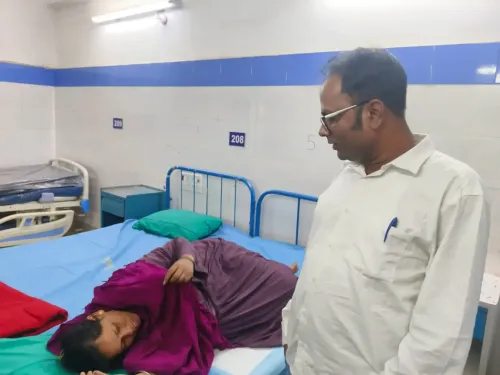
Bengali migrant workers from Birbhum return after alleged Bangladesh pushback
Synopsis
Nearly a year after being allegedly pushed into Bangladesh as suspected infiltrators, Bengali migrant workers from Birbhum — including Sweety Bibi and her two minor children — returned home through the Mahadipur border on 8 July, ending a cross-border ordeal that required Supreme Court intervention to resolve.
Key Takeaways
Sweety Bibi , her two minor children, Danesh Sheikh , and others from Paikar village, Birbhum returned to India on 8 July via the Mahadipur border, Malda .
The group was allegedly detained by Delhi Police in June 2024 on suspicion of being illegal infiltrators and pushed into Bangladesh through the Assam border.
Sonali Bibi had already returned in December 2024 ; her husband Danesh Sheikh returned on Wednesday.
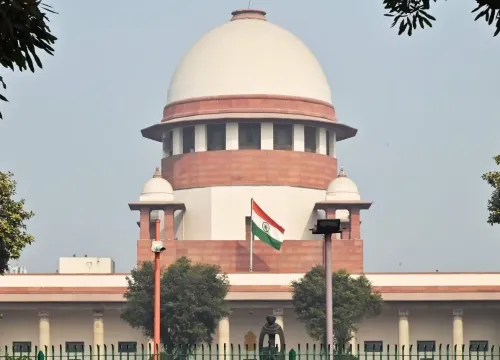
The Supreme Court ordered their immediate return on 22 May , though the order took weeks to be executed.
TMC Rajya Sabha MP Samirul Islam hailed the return as 'the victory of truth, the victory of justice.'
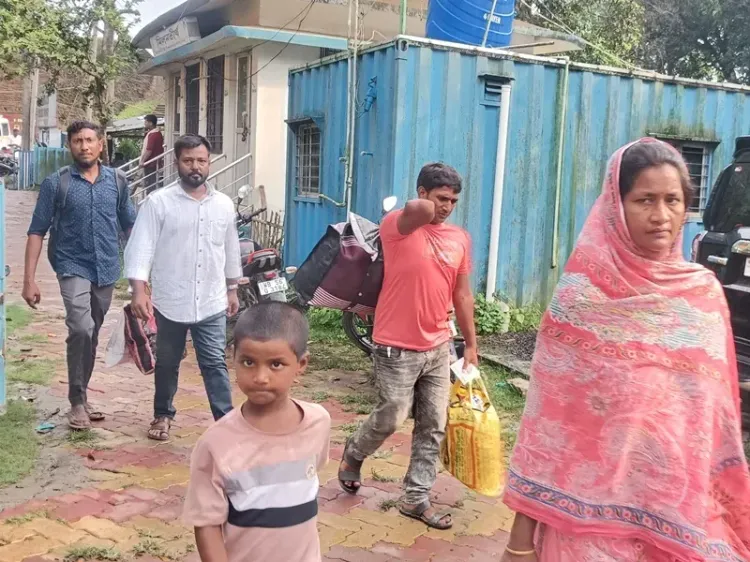
Nearly a year after they were allegedly pushed into Bangladesh on suspicion of being illegal infiltrators, Bengali migrant worker Sweety Bibi and four others from Paikar village in Birbhum district returned to India on Wednesday, 8 July, along with her two minor children. The group re-entered the country through the Mahadipur border in Malda district, bringing relief to families who had waged a prolonged legal battle before the Supreme Court.
What Allegedly Happened
According to government officials, Sweety Bibi and fellow migrant worker Sonali Bibi had been residing in Delhi with their families for work. In June last year, they were allegedly detained by the Delhi Police on suspicion of being illegal infiltrators and subsequently pushed into Bangladesh through the Assam border. Their families maintained that both women are Indian citizens and were wrongfully expelled.
The two were imprisoned in Bangladesh for a period before legal proceedings were initiated through the Calcutta High Court and later pursued before the Supreme Court of India. This is not an isolated case — rights groups have documented multiple instances of Bengali-speaking migrant workers being detained and deported in circumstances their families contest.
The Legal Battle and Returns
Sonali Bibi was the first to return, re-entering India in December last year following court intervention. On Wednesday afternoon, her husband, Danesh Sheikh, along with Sweety Bibi, her two minor children, and others from the group crossed back through the Mahadipur border checkpoint in Malda.
The families credited the Supreme Court's intervention as decisive. On 22 May, the apex court had reportedly ordered the immediate return of those stranded in Bangladesh, though the order took several weeks to be executed.
Political Response
All India Trinamool Congress (TMC) Rajya Sabha MP Samirul Islam posted on social media expressing relief at the outcome. 'The end of the long legal battle, the joy of returning to the country. The victory of truth, the victory of justice! The tears in the eyes of those helpless people of Birbhum today are of relief, of the joy of returning to their homeland,' he wrote.
Islam also noted that the Supreme Court had ordered the immediate return of the stranded individuals on 22 May, adding: 'Although that order took some time to take effect, justice has finally triumphed today.'
Broader Context
The case has drawn attention to the vulnerability of Bengali-speaking migrant workers in other states, who critics argue are disproportionately suspected of being undocumented Bangladeshi nationals. The alleged detention and cross-border pushback of individuals who claim Indian citizenship raises serious questions about due process in deportation proceedings. With the families now reunited, attention is likely to shift to accountability for the alleged pushback and whether systemic safeguards exist to prevent recurrence.
Point of View
Not an aberration. The Supreme Court's May order took weeks to execute, which itself warrants scrutiny. As long as linguistic profiling substitutes for due process at the point of detention, cases like Sweety Bibi's will keep recurring, and the courts will remain the last resort for people who should never have needed one.
NationPress
7 Oct 2026
Frequently Asked Questions
Who are Sweety Bibi and Danesh Sheikh, and why were they in Bangladesh?
Sweety Bibi is a Bengali migrant worker from Paikar village in Birbhum district, West Bengal, and Danesh Sheikh is the husband of fellow migrant worker Sonali Bibi. According to their families, both women were allegedly detained by Delhi Police in June 2024 on suspicion of being illegal Bangladeshi infiltrators and were pushed into Bangladesh through the Assam border, despite their families' claims that they are Indian citizens.
How did Sweety Bibi and the others return to India?
Their return followed a legal battle initiated through the Calcutta High Court and pursued before the Supreme Court of India. The Supreme Court ordered their immediate return on 22 May, and on 8 July, Sweety Bibi, her two minor children, Danesh Sheikh, and others re-entered India through the Mahadipur border checkpoint in Malda district.
When did Sonali Bibi return, and what happened to her husband?
Sonali Bibi returned to India in December last year after earlier court intervention. Her husband, Danesh Sheikh, remained in Bangladesh and returned on Wednesday, 8 July, along with Sweety Bibi and the others in the group.
What did the Supreme Court order in this case?
The Supreme Court reportedly ordered the immediate return of those stranded in Bangladesh on 22 May. Though the order took several weeks to be executed, it is credited by the families and TMC MP Samirul Islam as the decisive intervention that enabled Wednesday's return.
What is the political reaction to the workers' return?
TMC Rajya Sabha MP Samirul Islam publicly welcomed the development on social media, calling it 'the victory of truth, the victory of justice' and noting that the Supreme Court's May order had finally been fulfilled. The case has also drawn broader attention to the treatment of Bengali-speaking migrant workers in other states.