AAP's Rohini Sundarkand Paath draws under 600, BJP calls it a flop
Synopsis
Delhi BJP says Kejriwal's Rohini Sundarkand Paath on 12 July attracted fewer than 600 people despite bus deployment — and that senior AAP leaders including Atishi Marlena and Gopal Rai stayed away entirely. The BJP is now tying Sunday's event to two unfulfilled 2024 religious outreach pledges, framing the pattern as election-time Hindutva theatre.
Key Takeaways
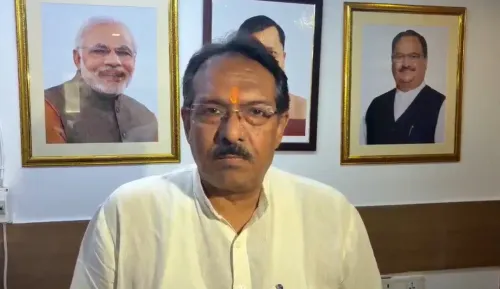
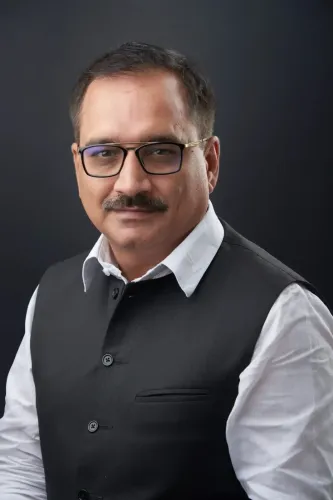
AAP 's Shri Sundarkand Paath in Rohini on 12 July drew fewer than 500–600 attendees , according to Delhi BJP spokesperson Praveen Shankar Kapoor .
The BJP alleged buses were deployed to ferry devotees, yet turnout remained low at a venue that usually hosts thousands.
Former Delhi CM Atishi Marlena , former Minister Gopal Rai , and most AAP MLAs reportedly did not attend the event.
Delhi BJP President Harsh Malhotra cited two lapsed 2024 pledges: recitations in all 70 Assembly constituencies that were quietly abandoned, and a 2,600-location event where 26 venues reportedly held no programme.
The BJP accused Kejriwal of embracing Hindutva only before elections, pointing to his shift after the Ayodhya Ram Temple consecration in 2024 .
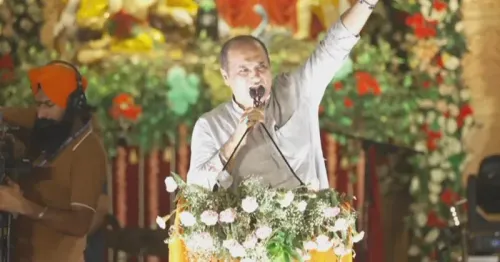
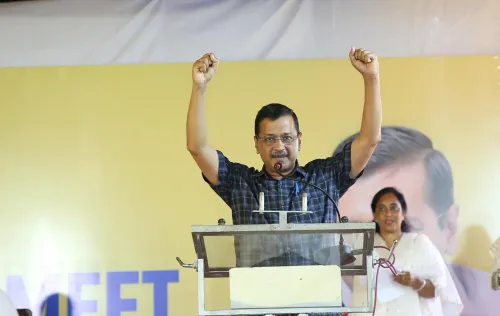
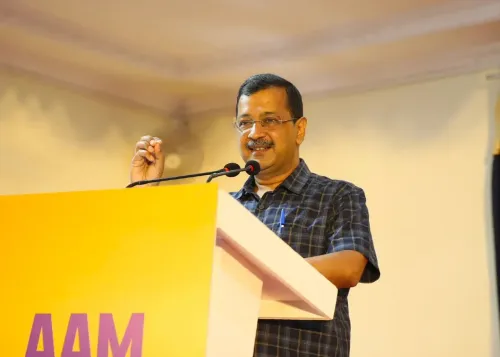
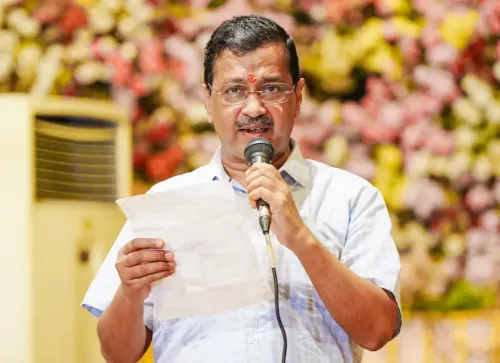
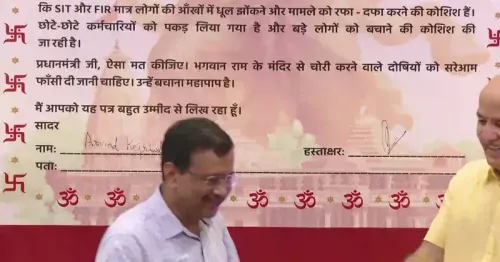
The Aam Aadmi Party (AAP)'s Shri Sundarkand Paath event in Rohini, New Delhi, organised by former Chief Minister Arvind Kejriwal on Sunday, 12 July, drew fewer than 500 to 600 attendees, according to Delhi Bharatiya Janata Party (BJP) spokesperson Praveen Shankar Kapoor — a turnout he described as a 'complete failure' at a venue that typically hosts religious gatherings of thousands.
BJP's Charge: Low Turnout Despite Bus Deployment
Kapoor alleged that the AAP pressed buses into service to ferry devotees to the Rohini pandal, yet still could not fill the venue. He claimed that even AAP workers stayed away, interpreting the thin attendance as a rejection of what he called Kejriwal's 'opportunistic display of devotion.'
'Not only the people of Delhi, but even AAP workers rejected Kejriwal's invitation to attend the Shri Sundarkand Paath, thereby, refusing to endorse what they described as his opportunistic display of devotion,' Kapoor said.
Senior AAP Leaders Absent from the Event
The BJP spokesperson noted that despite the event being announced well in advance, senior AAP figures — including former Delhi Chief Minister Atishi Marlena, former Minister Gopal Rai, and most of the party's MLAs — did not attend. The BJP argued their absence amounted to an internal repudiation of Kejriwal's 'Hindu Avatar' ahead of elections.
BJP Recalls 2024 Sundarkand Paath Pledges That Fizzled
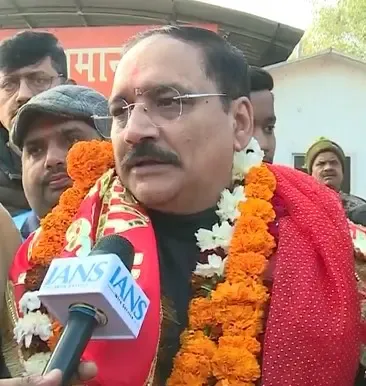
Delhi BJP President Harsh Malhotra broadened the attack, alleging a pattern of religious outreach that the AAP launches before elections and then quietly shelves. He pointed to two specific instances from 2024: in January 2024, the then-AAP government conducted Shri Sundarkand Paath recitations in around 50 of Delhi's 70 Assembly constituencies but held only a handful of programmes thereafter before the initiative was abandoned. Separately, in March 2024, the AAP government announced simultaneous recitations at 2,600 locations across the city; Malhotra claimed the event did not take place at 26 of those locations.
Malhotra also cited Kejriwal's earlier remarks — in which the AAP leader, quoting his maternal grandmother, had said he did not wish to visit a temple he believed had been built after demolishing a mosque — as evidence of what the BJP characterises as inconsistency on religious matters. The BJP president further alleged that Kejriwal's embrace of Hindutva accelerated visibly after the consecration of the Shri Ram Temple in Ayodhya in 2024.
The Political Context
The BJP's coordinated response — with both the party's Delhi spokesperson and its president issuing statements on the same day — signals a deliberate effort to frame the Rohini event as electoral posturing rather than genuine religious observance. Critics argue that such charges are themselves a form of competitive identity politics. The AAP has not yet issued a formal rebuttal to the BJP's claims about attendance figures or the 2024 programme lapses. With Delhi's political calendar heating up, the dispute over the Sundarkand Paath is likely a preview of the religious-outreach battles ahead.
Point of View
Which, if inaccurate, would be easy to dispute. The deeper story is structural: both parties are now competing on religious optics in Delhi, a city where such symbolism has historically had limited electoral traction compared to governance issues. The BJP's own record on religious event delivery is rarely subjected to the same scrutiny it applies to AAP's. That asymmetry is worth watching as the election cycle intensifies.
NationPress
11 Oct 2026
Frequently Asked Questions
What happened at AAP's Sundarkand Paath event in Rohini on 12 July?
According to Delhi BJP spokesperson Praveen Shankar Kapoor, the Shri Sundarkand Paath organised by former Chief Minister Arvind Kejriwal in Rohini drew fewer than 500 to 600 people, despite buses being deployed to bring attendees. The BJP characterised the turnout as a 'complete failure' at a venue that typically hosts thousands for religious events.
Which AAP leaders were absent from the Rohini event?
The BJP claimed that former Delhi Chief Minister Atishi Marlena, former Minister Gopal Rai, and most AAP MLAs did not attend the event, despite it being announced well in advance. The BJP interpreted their absence as an internal rejection of Kejriwal's religious outreach.
What are the 2024 Sundarkand Paath pledges the BJP is referencing?
Delhi BJP President Harsh Malhotra cited two instances: first, a January 2024 initiative to hold weekly Shri Sundarkand Paath in all 70 Delhi Assembly constituencies, which the BJP says was largely abandoned after recitations in around 50 constituencies on 16 January 2024. Second, a March 2024 announcement of simultaneous recitations at 2,600 locations, which Malhotra claims did not take place at 26 of those venues.
Why is the BJP accusing Kejriwal of political opportunism over the event?
The BJP argues Kejriwal embraces Hindutva only before elections, pointing to his post-Ayodhya Ram Temple shift in 2024 and his earlier remarks — quoting his maternal grandmother — about not wishing to visit a temple he believed was built after demolishing a mosque. The party says this pattern reveals inconsistency on religious matters.
Has the AAP responded to the BJP's claims about the Rohini event?
As of the time of reporting, the AAP had not issued a formal rebuttal to the BJP's claims about attendance figures or the alleged lapses in the 2024 Sundarkand Paath programme.