BJP accuses Rahul Gandhi of plotting regime change after AISA chief praises Bangladesh Gen-Z protest
Synopsis
BJP has turned AISA chief Neha Bora's praise for Bangladesh's Gen-Z movement into a full-scale political offensive against Rahul Gandhi, accusing him of seeking 'regime change' rather than democratic opposition. With the INDIA bloc already targeting the Election Commission over electoral roll irregularities — and Gandhi publicly backing Bora — the BJP is framing the entire protest network as a constitutional threat.
Key Takeaways
BJP on 15 October 2026 accused Rahul Gandhi and the Congress ecosystem of plotting 'regime change' in India.
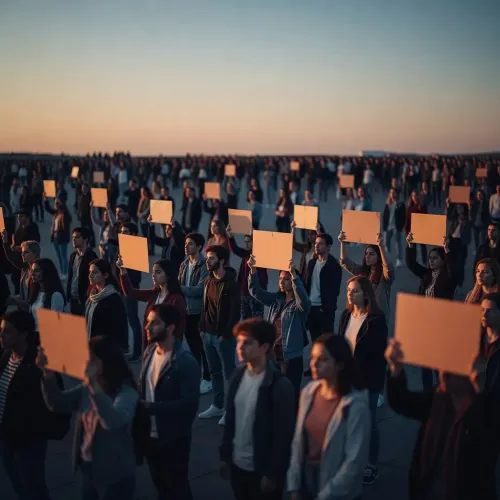
AISA President Neha Bora praised Bangladesh's Gen-Z movement as inspiration for Indian youth at a student conference on Wednesday .
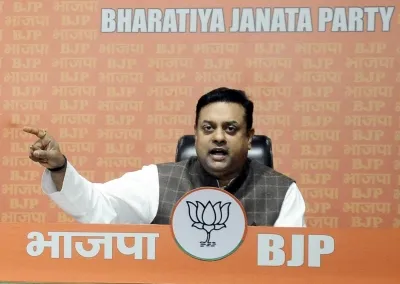
BJP National Spokesperson Pradeep Bhandari called Bora 'the poster girl of Rahul Gandhi's entire protest movement'.
Bhandari also cited alleged remarks by advocate Prashant Bhushan calling for a 'revolution in which blood will flow'.
Bora is a key figure in protests against the Election Commission of India over alleged irregularities in electoral roll revision.
Rahul Gandhi hosted Bora and INDIA bloc leaders at a tea meeting earlier this week as part of the campaign against CEC Gyanesh Kumar .
The Bharatiya Janata Party (BJP) on Thursday, 15 October 2026, accused Leader of Opposition in the Lok Sabha Rahul Gandhi and the broader Congress ecosystem of attempting to 'destroy Indian democracy' and engineer a 'regime change', following remarks by All India Students' Association (AISA) President Neha Bora praising Bangladesh's Gen-Z movement as an 'inspiration' for young people in India.
What Neha Bora Said
Speaking at an event on Wednesday, Bora praised the Bangladesh student-led movement and drew an explicit parallel with youth activism in India. 'Revolutionary greetings to the Socialist Students Front on your sixth National Conference. We present you our red salute. And we know that the Gen-Z movement that we are seeing everywhere in this country first started in Bangladesh. And congratulations to you for showing us the way,' Bora said at the gathering.
The AISA president also highlighted the role of young people in India in defending democratic principles and voting rights, linking their struggles to those of students in the neighbouring country.
BJP's Reaction and Allegations
BJP National Spokesperson Pradeep Bhandari responded sharply, alleging that Rahul Gandhi and the Congress ecosystem were not pursuing democratic political resistance but were instead angling for a forcible change of government. 'Rahul Gandhi and the entire ecosystem do not want to engage in political resistance; they want to bring about regime change,' Bhandari said.
Bhandari directly tied Bora to Gandhi, calling her 'the poster girl of Rahul Gandhi's entire protest movement' and claiming her remarks amounted to a declaration of intent. 'This proves that Rahul Gandhi's intention is not political resistance; his intention is to destroy the Constitution and the democracy of India,' he alleged.
Bhandari also invoked remarks allegedly made by advocate Prashant Bhushan, claiming they pointed to a broader effort to destabilise India's democratic institutions. 'Prashant Bhushan had also said that there should be a revolution in which blood will flow. This proves that the entire Congress ecosystem's only focus is to destroy Indian democracy and bring about regime change like Bangladesh,' he said.
The Wider Electoral Roll Controversy
Bora has emerged as a prominent face in the ongoing Opposition-led protests against the Election Commission of India (ECI), centred on allegations of 'vote theft' and alleged irregularities in the Special Intensive Revision (SIR) of electoral rolls. Rahul Gandhi has been spearheading the INDIA bloc's campaign on the issue, with Opposition parties demanding the resignation of Chief Election Commissioner (CEC) Gyanesh Kumar.
Notably, Bora was among those invited to a tea meeting hosted by Rahul Gandhi earlier this week, attended by INDIA bloc leaders, activists, and civil society members. The gathering was described as part of the Opposition's coordinated effort to press its campaign against the ECI over the electoral roll revision exercise.
BJP vs Congress: The Broader Political Context
The BJP has consistently accused the Congress of weaponising institutional criticism to delegitimise democratic bodies, while the Opposition maintains that its protests are a constitutional response to alleged electoral malpractice. This comes amid heightened political tensions over the electoral roll revision process, which has become a flashpoint between the ruling party and the INDIA bloc ahead of upcoming state elections.
Gandhi had publicly backed Bora during student protests earlier this year, a fact the BJP has cited as evidence of an organised political network. The Congress has not issued a formal response to Thursday's BJP allegations as of the time of reporting. How both sides frame this dispute in the coming days is likely to shape the contours of the broader electoral integrity debate in India.
Point of View
The party is attempting to recast the Opposition's electoral integrity campaign as something far more seditious than a democratic protest movement. The Bangladesh comparison is politically loaded — the Gen-Z uprising there ended in a government collapse — and the BJP is evidently betting that the association will unsettle fence-sitters. What mainstream coverage underplays is that the underlying ECI controversy over electoral roll revision is substantive and unresolved; attacking the messenger risks letting the BJP sidestep that accountability question entirely. The Congress's silence so far on Thursday's BJP salvo will itself become part of the story.
NationPress
15 Oct 2026
Frequently Asked Questions
Why did BJP accuse Rahul Gandhi of seeking regime change?
The BJP accused Rahul Gandhi of seeking regime change after AISA President Neha Bora praised Bangladesh's Gen-Z movement as inspiration for Indian youth at a student conference. BJP National Spokesperson Pradeep Bhandari alleged that Gandhi, who has publicly backed Bora, was using the protest network to engineer a forced change of government rather than pursue democratic opposition.
What exactly did Neha Bora say about Bangladesh's Gen-Z movement?
Speaking at a student conference on Wednesday, Bora said the Gen-Z movement visible across India 'first started in Bangladesh' and congratulated Bangladeshi students for 'showing us the way.' She also drew parallels between Indian and Bangladeshi student struggles for democratic principles and voting rights.
Who is Neha Bora and why is she significant?
Neha Bora is the President of the All India Students' Association (AISA) and a prominent face of the Opposition-led protests against the Election Commission of India over alleged irregularities in the Special Intensive Revision of electoral rolls. She was invited by Rahul Gandhi to a tea meeting with INDIA bloc leaders earlier this week.
What is the controversy over the Election Commission of India?
The INDIA bloc and Opposition parties have alleged 'vote theft' and raised concerns over irregularities in the Special Intensive Revision (SIR) of electoral rolls. They have demanded the resignation of Chief Election Commissioner Gyanesh Kumar, while the BJP has accused the Congress of politicising the matter to discredit democratic institutions.
What did BJP say about Prashant Bhushan?
BJP spokesperson Pradeep Bhandari cited alleged remarks by advocate Prashant Bhushan calling for a 'revolution in which blood will flow,' claiming this was further evidence that the broader Congress ecosystem was focused on destabilising Indian democracy rather than engaging in legitimate political resistance.